Workshops
Interactive workshops (3 sessions of 45 mins each)
Braille Music For Us!
Welcome to Braille Music for Us (BMU), a new and unique Braille Music teaching and learning programme. Braille Music for Us presents a framework for learning which engages learners in practical music making experiences, fosters audiation, and nurtures Braille music skills. The programme has a Braille first approach and is informed by our collective experiences and a deep understanding of how we, as Braille readers, approach music and learning. It represents a shift away from traditional approaches to music learning through an understanding that Braille music is a tactile representation of sound and not a coded form of print music.
This workshop will explore the connection between audiation and Braille, demonstrate our unique approach to music literacy through Braille, and the pedagogical principles that sit behind the programme. If time permits, we will consider different teaching and learning programmes which can provide a wider reach for learners in remote areas. Our aim is to foster discussion and collaboration to generate positive solutions for developing strong, resilient Braille music communities!
-
 Chantelle GriffithsCo-Founder and CEO(Tactile and Technology literacy Centre (TTLC))
 Chantelle GriffithsCo-Founder and CEOTactile and Technology literacy Centre (TTLC)
Chantelle is a CEO, entrepreneur and life-long Braille user. Her career has centered around teaching literary and music Braille and assistive technology skills to adults in New Zealand and Australia. She currently serves as a trustee for the Braille Authority of New Zealand Aotearoa Trust).
Chantelle's latest projects include collaborating on the Braille Music for Us learning framework with Dr Wendy Richards and creating innovative Braille and tactile puzzle books. Other projects include learning to design tactile graphics without vision and writing a screen reader-specific course on using and producing Braille music scores with MuseScore and Sao Mai Braille.
-
 Wendy RichardsBraille Music Teacher(Blind and Low Vision Education Network New Zealand (BLENNZ))
 Wendy RichardsBraille Music TeacherBlind and Low Vision Education Network New Zealand (BLENNZ)
Dr Wendy Richards started working with young learners who are blind in 1999. She soon developed a passion for music literacy through Braille and recognised that a unique set of skills and cognitive functions are necessary for successful music making through Braille. This led her to pursue further study in this area and in 2020 she completed doctorate research with a thesis titled Music Braille Pedagogy: the Intersection of Blindness, Braille, Music Learning Theory, and Laban.
Wendy continues to work in this exciting area of music education at Blind and Low Vision Education Network New Zealand (BLENNZ) while also collaborating on a range of projects with adult musicians who use Braille.
Learning to read and write together with braille and print in inclusive teaching
Learning to read and write together in inclusive teaching: In this workshop we will look at various concepts and primer books - what advantages and disadvantages arise for first-time braille readers? We will compare different braille writing media and discuss the possibilities offered by the use of braille or computer braille in inclusive teaching. The following questions will be discussed and answered: How can materials for initial teaching (learning to read and write) be made attractive for blind and sighted children? What possibilities are there for getting to know each other about print and braille? What problems can arise when learning print and braille together - and how can they be solved? Beginning sound tables with braille and print, exercise materials and games for inclusive teaching will be presented.
-
 Agnes UnterstabSpecial education teacher(Nikolauspflege)
Agnes UnterstabSpecial education teacherNikolauspflege
Since studying special education in Heidelberg, I have been passionate about creating shared learning environments for blind and sighted children in mainstream elementary schools. With 20 years of professional experience, I am particularly interested in supporting blind and sighted children on a shared way to literacy.
“On the tactile road to Braille": A programme to prepare blind children for learning to read
-
 Markus LangProfessor of Special Needs Education in the context of Blindness and Visual Impairment(Heidelberg University of Education)
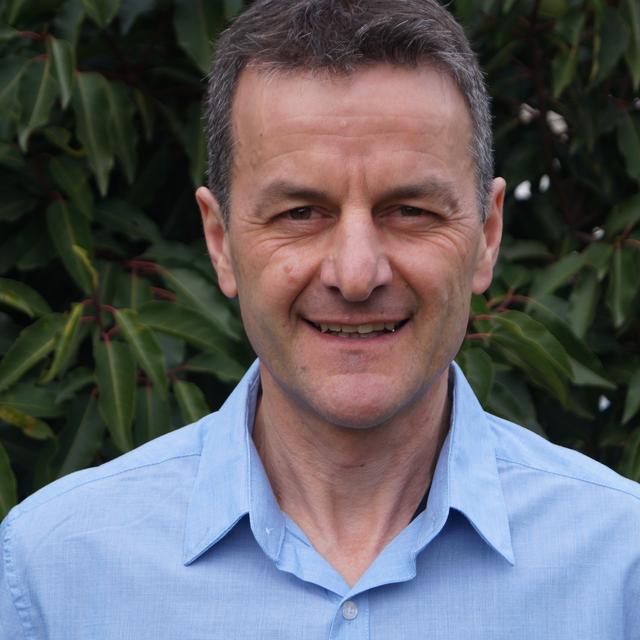 Markus LangProfessor of Special Needs Education in the context of Blindness and Visual ImpairmentHeidelberg University of Education
Markus Lang is Professor of Special Needs Education in the context of Blindness and Visual Impairment (Heidelberg University of Education).
Studies
- University of Education Schwäbisch Gmünd (1989-1992): Teaching degree for primary and lower secondary schools (specialising in history, German, music)
- Heidelberg University of Education (1992-1994): Teaching degree in special needs education (specialism: Education in the context of Blindness and Visual Impairment)
Doctorate (1999-2002)
- Dissertation on “The promotion of haptic perception to prepare blind children for the acquisition of Braille”
Employment
- Teacher in Special Needs Education at the Schloss-Schule Ilvesheim (School for the Blind and Visually Impaired) (1996-1999 and 2002-2005)
- Substitute Professor of Special Needs Education in the context of Blindness and Visual Impairment at the Heidelberg University of Education (2005-2012)
- Professor of Special Needs Education in the context of Blindness and Visual Impairment at the Heidelberg University of Education (since 2013)
Oral presentations (2x) - Atriumzaal day 1 round 1 (CHOOSE BOTH)
PreTeXt, PreFigure, and the production of braille math books
PreTeXt is an authoring system that facilitates the creation of accessible documents in a variety of formats from a single source. For example, authors can produce HTML that is easily navigated with a screenreader or BRF ready for embossing. In a similar way, the companion project PreFigure allows authors to create accessible mathematical diagrams, including tactile diagrams. Put together, PreTeXt and PreFigure enable the production of high-quality tactile mathematics documents. This talk will introduce both PreTeXt and PreFigure as authoring tools and describe current capabilities as well as what lies ahead.
-
 David AustinUniversity Professor(Grand Valley State University)
 David AustinUniversity ProfessorGrand Valley State University
David is a professor of mathematics at Grand Valley State University in west Michigan. He is the author of the open-access textbook Understanding Linear Algebra and currently serves as the director of the Open Textbook Initiative, sponsored by the American Institute of Mathematics. He is also the lead developer of PreFigure, an open-source software project that helps authors create accessible mathematical diagrams.
-
 Alexei KolesnikovProfessor of Mathematics(Towson University)
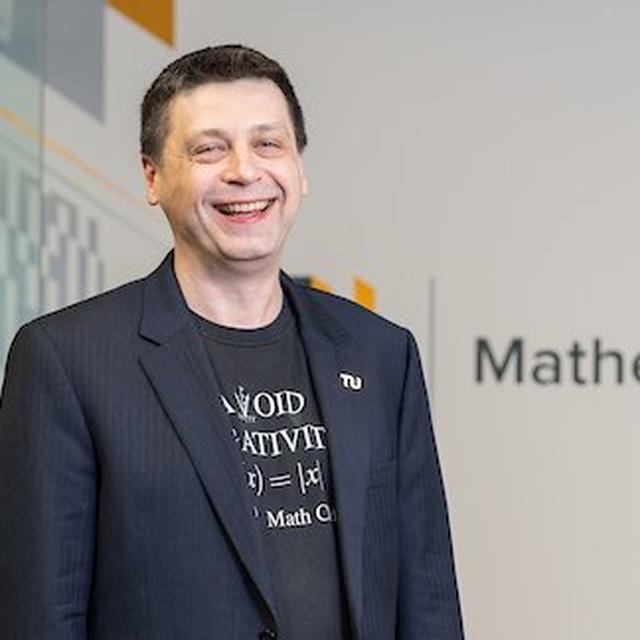 Alexei KolesnikovProfessor of MathematicsTowson University
Alexei is a Professor of Mathematics at Towson University in Baltimore. He is interested in providing freely available automated tools for producing tactile versions of college-level mathematics materials.
He led the "Raised Mathematics" project supported by the National Federation of the Blind and the American Institute of Mathematics. The project has resulted in a developed capability to automatically transcribe college mathematics textbooks, written in PreTeXt markup, into Braille. Alexei is a minor contributor to the PreFigure project.
Unlocking Braille’s Potential: Navigating the New eBraille Standard
Around the world, various file standards have been developed to distribute braille, each prioritizing aspects like file size, formatting, or compatibility. However, most of these standards were built for braille that is embossed on paper and fall short when it comes to supporting dynamic braille, which is displayed on refreshable braille display (whether single or multiline). Recognizing this gap, over forty organizations worldwide collaborated with the American Printing House for the Blind (APH) and the DAISY Consortium to develop eBraille; a new braille document standard tailored for the digital age. eBraille introduces several key advancements. It uses markup to provide reflowable formatting, ensuring that braille adapts dynamically to different display sizes. The inclusion of links enhances navigation, addressing a major challenge for braille users who traditionally rely on outdated methods like page searches or basic "Find" commands. eBraille also supports tactile graphics with accompanying alt text, allowing users to experience both braille and tactile graphics simultaneously on the same surface for the first time. This is a game-changer for educators, libraries, and users, making it easier to organize and access materials. The use of Unicode braille ensures global compatibility, while CSS-based formatting allows personalization based on regional or individual preferences. In this session, we’ll explore how eBraille files can be created using a variety of tools such as Duxbury, the DAISY Pipeline, and APH’s BRF to eBRL Converter. Additionally, we’ll cover how eBraille can be viewed on any braille display that supports screen readers and the exciting possibilities for future developments. Join us to learn how eBraille can transform braille literacy and accessibility for students, professionals, and braille readers of all ages. There will be time reserved for questions and discussion.
-
Willow FreeTactile Technology Product Manager(American Printing House for the Blind (APH))
Willow FreeTactile Technology Product ManagerAmerican Printing House for the Blind (APH)
Oral presentations (2x) - Grote zaal day 1 round 1 (CHOOSE BOTH) Monday
Developing Spatial Thinking Through Touch Over Time
When someone looks at a garden, across a street, or at the vastness of a wilderness, they perceive foreground and background at a glance. Similarly, when a person listens to moving and idling traffic at a signalized intersection, they can gain insights into the intersection's shape, size, and lane configuration. In both instances, the person is utilizing spatial thinking. According to the National Research Council (2006), spatial thinking is a constructive combination of cognitive skills consisting of knowing spatial concepts, using representational tools, and applying processes of reasoning. These representational tools come in a variety of modalities including mental images, visual media, and tactile, auditory, and kinesthetic forms which allow one to identify, describe, explain, and communicate information about objects and their associated spatial characteristics (NRC, 2006). This paper focuses on the use of tactile representational tools to support one blind student's development of nonvisual spatial thinking. Microgenetic analysis was used to track the development of five key spatial concepts during video-recorded lessons surrounding tactile graphics. Selected videos show lessons between one teacher of students with visual impairments (TVI) and her blind student between preschool and 5th grade. Three stages and three types of mediation (Simmons and Davidson, 1984) are used to focus on teaching and learning techniques. In-depth analysis reveals a variety of teaching strategies used by the TVI, including guided exploration, voice intonations, attention redirection, and concept development. The blind student uses two-handed exploration with hands moving together or apart, completes a combination of independent and follow-along exploration, and works toward the development of new concepts. Even with all the teaching techniques employed, misinterpretations happen, and mitigations--sometimes incomplete--occur.
-
 Erin FoleyPhD Student & Adjunct Lecturer(San Francisco State University)
 Erin FoleyPhD Student & Adjunct LecturerSan Francisco State University
Erin is a Certified Orientation and Mobility Specialist, Teacher of Students with Visual Impairments, and a Doctoral Candidate in the Joint Doctoral Program between the University of California, Berkeley and San Francisco State University. Her dissertation focuses on teaching spatial literacy and tactile graphicacy to blind and low vision learners. She is an Adjunct Lecturer at SF State where she teaches in both the O&M and VI programs.
Oral presentations (2x) - Kleine zaal day 1 round 1 (CHOOSE BOTH)
Historical perspectives - perspectives for the future
25 Years ago teachers in The Netherlands were reluctant to work with tactile graphics. They thought they were too time consuming, not useful enough, maybe for math and maps, but certainly not for 3D subjects or art.
How different that is nowadays! Dedicon today makes 10 times as many tactile graphics a year and more are wanted, especially ad hoc and interactive, manipulable.
But wait, what actually are conditions for well readable and well understandable tactile graphics for math, for maps, for explaining the 3D world or art (and other domains)? Food for thought and discussion, for example in some of the Table Talks and workshops!
-
 Dorine in 't VeldProductmanager tactile learning(Dedicon)
 Dorine in 't VeldProductmanager tactile learningDedicon
My blind son (1988) in mainstream primary school wanted to work with computers, like his sighted peers. In secondary school he wanted to do math and science. He needed tactile graphics. Each time we had to pioneer. E.g.: there was no braille math code in The Netherlands, one could order only 50 tactile graphics per book.
From an archeologist and art historian I turned into a professional. First at Bartiméus Education for the VI and from 2011 until now at Dedicon.
My main focus was on how to explain concepts with the help of tactile graphics. In 2017 I did a project to set up the Dutch-Flemish Braille Authority and helped revising the 6 dot standard.
3D Printing & Global Impacts
Clovernook Center for the Blind is one of the highest volume producers of braille in the world, printing approximately 30 million pages a year. In 2020, Clovernook launched a Tactile Literacy Initiative, which seeks to impact braille literacy and other educational outcomes through the provision of 3D printed models and supplemental braille materials. The primary focus of the program is on global populations, with the initial pilot consisting of partnerships with educational centers in East Africa. Clovernook has partnered with Northern Kentucky University (NKU) on various aspects of kit, model, and learning material design. Over time, the initiative has increasingly centered on the development of stand-alone STEM model kits, and towards a program model of decentralization - opening and supporting 3D printing spaces in the communities that the program seeks to serve. Attendees of this presentation will learn about, among other things:
1) Clovernook's design methodology for 3D models.
2) How 3D models can effectively supplement braille learning and literacy.
3) The impact of 3D models on STEM learning outcomes.
4) Accessibility & 3D printing - how can people who are blind or low vision be included/granted access to a makerspace?
5) How to effectively partner with higher-level institutions of education on 3D design and printing projects.
-
Samuel FoulkesDirector of Braille Production & Accessible Innovation(Clovernook Center for the Blind & Visually Impaired)
Samuel FoulkesDirector of Braille Production & Accessible InnovationClovernook Center for the Blind & Visually Impaired
Samuel directs the efficient operation of braille production functions at one of the world’s largest producers of braille materials, ensuring high-quality output and production accessibility. His work also focuses on researching, designing, evaluating, and implementing innovative inclusive access initiatives.
Table Talks | Monday | Round 1 (3 sessions of 45 mins)
Building bridges to standardise practices amongst transcription entities in France
Building bridges between transcription entities and fostering exchange amongst practitioners to standardise practices in France, where about 200 transcribers currently work on a variety of fields (education, culture, administration, etc.), often without any direct link between them, is a necessity. Despite being essential to an inclusive society, namely to regular schooling of visually impaired pupils, consistent standards and common practices in the production of accessible documents are lacking, in a context of scattered transcription entities. To efficiently structure our sector, not only do we need committed public authorities and decision-makers, but also transcribers actively working together in the field: practitioners must collectively commit to sharing knowledge, pooling tools and circulating their expectations and needs. The Association of French-speaking Transcribers (ATAF) was created in 2017 to bring professionals together. We foster exchange, capacity development and pooling of practices and tools through: - Ad hoc topical workshops; - Yearly in-person study days with contributions from all stakeholders; - Long-term topic-specific research groups. In 2021, ATAF published a formal record of transcribers’ professional skill set, updated in 2024, to document the evolution of our profession. We also offer practical resources to support transcribers’ daily needs. An ATAF research group is currently editing practical guidelines for tactile graphics production, a constantly changing field, aiming at facilitating collaborative work to fulfil the need for standardised practices. Thereby, we intend to present on: - The profession of transcriber and the context of transcription entities in France; - The production of accessible documents required for inclusive schooling of visually impaired pupils and the challenge of standardising practices; - Our association and its missions; - Our ongoing work on practical guidelines for tactile graphics production.
-
Cécile BarichardTranscriber(ATAF)
Cécile BarichardTranscriberATAF
Cécile has been a transcriber for 15 years at the Institut Montéclair VYV3 in Angers (France) and is a member of ATAF (Association des transcripteurs adaptateurs francophones) since 2017. This association fosters exchange, capacity development and pooling of practices and tools.
Math and the natural sciences
This session is intended to inspire each other and create a platform to exchange best practices.
We'll answer the questions: How do you in your country facilitate students and their teachers? What support is in place for them? What can we learn from the approach in your country?
In the Netherlands, approximately 80% of blind students have their education at a regular school, with up to 30 well sighted classmates and limited support. This poses a challenge especially on mathematics, physics, chemistry, and biology. To support students and teachers, Royal Dutch Visio has implemented teacher trainings, a website with educational advise, a news letter, and a helpdesk.
We would be happy to share our experiences and be even more happy to learn from yours.
-
 Ilse DisseldorpScience teacher, project lead(Royal Dutch Visio)
 Ilse DisseldorpScience teacher, project leadRoyal Dutch Visio
Ilse Disseldorp has worked as a teacher in physics, math and technology for Royal Dutch Visio and currently leads a project to make the sciences accessible to visually impaired students.
She has authored numerous articles with practical and pedagogical advice on teaching the sciences in education trade journals and for eduVIP.nl (the Dutch platform for education for visually impaired students).
She has developed resources to visualise the sciences: tactile drawings and tools for blind students to make tactile (construction) drawings for math and physics, including a tactile ruler and a tool to draw parallel lines.
Tactile color compass
We guide the participants through methods using tactile images and tactile descriptions.
Our questions: How can works of art show what the sense of touch is capable of, and what different methods can be used to successfully convey art to people who cannot see it with their own eyes.
- in this session we experience our tactile color compass to make colors tangible by 3d printed textures, pass them on and discuss them.
The workshop is suitable for - educational professionals,
- museum educators,
- visually impaired and
- inclusion officers at museums.
-
 Sylvia GoldbachDesigner and Sculptor(TAKTILES / Taktilesdesign GmbH)
 Sylvia GoldbachDesigner and SculptorTAKTILES / Taktilesdesign GmbH
What would it be like if colors could be felt? If pictures, graphics and paintings could be experienced through touch?
This question leads Sylvia Goldbach and her team 2020 to the federal school of Schleswig, Germany and the The Tactile Color Compass was developed. It translates colors into tactile surfaces.
TAKTILES is a company in Lübeck founded 2016.
With over 20 years of expertise in the field of design and industrial technologies, Sylvia Goldbach realizes coloured prints and models and graphics for inclusive media.For museums in Vienna, Berlin, Dresden, .. as well for schools for visually impaired in Germany maps, unique tangible artwork were realized are mainly 3D printed in many materials like UV ink, soft plastics, even metal and wood. We are looking forward to more cooperations!
Interactive workshops (3 sessions of 45 mins each)
Reading and Creating Tactile Comics & Manga
Tactile reading and drawing open up new, inclusive ways of experiencing art and storytelling through Comics & Manga. In this workshop, we invite everyone to explore this innovative artistic practice. All participants (whether blind, partially sighted, or sighted) will have the opportunity to experience tactile literacy by first reading a tactile comic strip and then trying their hand at creating a tactile drawing of a character.
This workshop is the result of a fruitful collaboration between the INJA (National Institute for Young Blind People of Paris) and the LIBD association, which has been pioneering the creation and publication of tactile comics and manga in France since 2015. For several years now, LIBD has been working regularly with visually impaired children to run tactile image workshops. In 2023, a manga workshop was launched, where a group of pupils from INJA meets once a week to create their own tactile manga under the supervision of LIBD.
At the Tactile Reading and Graphics Conference, you will have a chance to experience a preview of our workshop, featuring the tactile reading of selected comic pages followed by a hands-on session where you will create a tactile portrait. The workshop will be led by Alexandre ILIC, graphic designer at the INJA and author of the LIBD association's tactile books.
These LIBD tactile books are designed to be fully accessed through touch. All texts are provided in Braille and all illustrations are embossed, enabling visually impaired readers to fully appreciate the comics and manga. Additionally, to promote inclusion, the books also feature printed texts and colored illustrations alongside the tactile elements. This approach allows visually impaired children to read alongside their sighted siblings and friends, sharing a truly delightful experience together.
-
 Alexandre ILICAuthor and graphic designer(INJA Paris / Association LIBD)
 Alexandre ILICAuthor and graphic designerINJA Paris / Association LIBD
- Publishing
Originally a comic book author in traditional publishing, Alexandre ILIC began in 2014 to specialise in the design of illustrated books in embossed relief for blind and partially sighted readers. In collaboration with the LIBD association, he has produced a series of comics, manga and illustrated books whose tactile drawings can be explored by touch.
- Education
Since 2016, Alexandre has also been working part-time at the INJA (National Institute for Young Blind People) in Paris, where he has been creating tactile materials in collaboration with all of the institute's departments. These 2D drawings and 3D objects are designed for educational, medical and pedagogical purposes.
- Workshop
In addition to these projects, Alexandre regularly organises and leads workshops aimed at raising awareness about tactile images. These sessions offer a unique opportunity for blind, partially sighted, and sighted participants to collaboratively explore and create tactile drawings.
Stimulating and Developing the Tactile Sense for Children Learning Braille in Inclusive settings
Children learning Braille currently have limited resources that motivate them to engage their tactile senses. In the kindergarten, we are dependent on the staff creating tactile materials on their own. And there is a need for materials that prepare them for activities that will take place in school. Tactile materials that are created must be fun and enjoyable for the child learning Braille, and this material must also be engaging for the other children. Additionally, it must be intuitive and easy for adults to understand how to use. Presentation: We would like this to be a 60-minute workshop, and we will divide it into three parts. In the first part, we will show materials which were developed based on a request from a kindergarten to adapt a booklet they used for all preschool children in the kindergarten. The material was adapted for an upcoming Braille user, and it was also visual so that the other children could use it as well. The material has been tested and evaluated. Since then, several reflections have emerged regarding what an upcoming Braille reader need to learn and how this can be done with engaging materials that are motivating while also providing progression. In the second part, we will present how this became the starting point for the development of new materials where the approach was reversed. The child's need for mastery, joy, and the opportunity to develop tactile skills at their own pace became the foundation. We actively used the Norwegian Framework Plan for Kindergartens in the process of developing this material, which is suitable for the entire group of children. In the third part, we will divide into two or three groups. We plan for them to test the material and provide feedback and reflections. We will use Padlet or another tool to organize and get an overview of the feedback.
-
 Sigrid AvsnesSenior advisor(Statped)
 Sigrid AvsnesSenior advisorStatped
Senior advisor. Working with children age 0-6 years with visual impairment. Giving advice to the adults in the kindergarden, parents and others.
-
 Silje BenonisenTVI/Senior Advicer(Statped)
 Silje BenonisenTVI/Senior AdvicerStatped
Silje is a TVI and mobility instructor with 25 years of experience supporting individuals with visual impairments in all age groups. For the last 10 years she has focused on working with children who are blind aged 0–6, exploring how we can better support their early development in learning to read and write braille.
-
Ida Utne
Ida Utne
TacTiles: A Tactile Approach to Solving Mathematical Equations
-
Annemiek van Leendertprojectleader, researcher and itinerant teacher(Royal Dutch Visio)
Annemiek van Leendertprojectleader, researcher and itinerant teacherRoyal Dutch Visio
Why do so many Braille readers struggle with mathematics? It’s not due to a lack of talent or interest—but because they are being taught with methods designed for sighted students. Most teachers are rarely equipped with the tools, knowledge, or strategies to effectively teach mathematics to students who rely on Braille. This gap in teacher preparation is a serious barrier to inclusive education - and it is exactly the problem I want to solve.
I have worked at Royal Visio for over 30 years, and I am an expert in mathematics for Braille readers. My passion lies in empowering blind and visually impaired students to reach their full mathematical potential by transforming how we teach them. My PhD focused on how Braille readers can better read and understand algebraic expressions, and I am currently engaged in postdoctoral research on TacTiles—an innovative tactile system designed to support algebra learning through touch. I collaborate closely with Dr. Anna Shvarts of the Freudenthal Institute in the Netherlands.
Oral presentations (2x) - Atriumzaal day 1 round 2 (CHOOSE BOTH)
Pedagogy that supports the sustained development of braille literacy in a mainstream classroom.
The challenge for Teachers of Students with Vision Impairment (TSVI) is knowing how to achieve a balance between teaching the braille code and teaching reading and writing in a mainstream classroom, so that braille readers achieve the same standard of literacy as their sighted peers. For TSVI and class teachers to be able to focus on teaching braille readers the complex skills of reading, we need to identify pedagogical strategies that support these outcomes. A Delphi study was conducted to identify the most successful pedagogy for teaching braille literacy in a mainstream school. The study included 3 groups of participants: international experts of braille literacy, Australian teachers of braille literacy and Australian adult braille readers. The study consisted of 3 Rounds with a 75% threshold of consensus. Both qualitative and quantitative data were analysed. The results of this research are being used to establish guidelines to support TSVI and mainstream teachers to work together to improve the sustained development of braille literacy of beginning readers in mainstream schools.
-
 Karen CroakeSpecialist Vision Teacher & PhD Candidate(University of Newcastle, Australia)
 Karen CroakeSpecialist Vision Teacher & PhD CandidateUniversity of Newcastle, Australia
Karen is a PhD candidate at the University of Newcastle, Australia. Her research question is Which pedagogical strategies support the sustained development of braille literacy in a mainstream classroom?
Karen has been a teacher for over 30 years and has worked at a Diocesan system level for over 20 years in inclusive education working to support students with disability and their teachers and families. For the last 10 years she has been working as a Specialist Vision Teacher teaching students who are blind or have low vision in mainstream schools across the diocese.
Studying the Neural Basis of Braille Literacy and Numeracy
Neuroimaging studies of braille processing have generally approached the topic from the perspective of research on typically sighted people, comparing the roles of visual and non-visual experience in shaping the brain's network for print, and the perceptual capacity of the tactile system. Our research project focuses on the braille system itself as its own distinctive orthographic system for English. In braille, symbols can represent letters, whole words, or numbers given the proper indicators preceding those symbols. This raises interesting questions about how the orthographic structure of braille is represented in the brain, and how very similar orthographic inputs are mapped to brain regions that support very different kinds of meaning representations (e.g., lexical semantics vs. magnitude). To address these questions, our study involves presenting adult braille readers with braille letters, words, and numbers as stimuli. In preliminary analyses, we compared the average response to stimuli composed of linguistic content (letters, words) versus numeric content (digits), and to meaningful vs. nonmeaningful braille symbols. The findings revealed a region in ventral occipitotemporal cortex that was engaged during the perception of all stimulus types, consistent with prior claims that this brain territory is important for orthographic representation. Responses in other regions appeared selective for different categories of stimuli; for instance, braille number but not letter and word stimuli were associated with activation of a region in parietal cortex that is thought to be part of a core system for the approximate representation of quantity. Our presentation will describe the project methods and analysis, our current findings, and the possible implications of these data. Basic research on the neural process of braille reading is still relatively new; these investigations move the field forward to understand elements such as pattern perception and recognition.
-
 Tessa McCarthyAssociate Professor(University of Pittsburgh)
 Tessa McCarthyAssociate ProfessorUniversity of Pittsburgh
Dr. Tessa McCarthy is an Associate Professor at the University of Pittsburgh, where she has been teaching O&M courses for a decade. She is certified as both a teacher of students with visual impairments and an orientation and mobility specialist, with experience as an itinerant teacher and at a school for the blind. Dr. McCarthy holds degrees from the University of Kentucky, the University of Louisville, and Vanderbilt University, where her dissertation focused on teaching street-crossing skills to blind students using verbal rehearsal and graduated guidance. She resides in Pittsburgh with her husband, their nine-year-old son, and two dogs.
Oral presentations (2x) - Grote zaal day 1 round 2 (CHOOSE BOTH)
What Does the Science of Reading Mean for Teachers of Braille?
In the United States, many states and individual school systems are requiring teachers to support systematic and explicit instruction in structured literacy principles and topics including phonology, morphology, and syntax, often referred to as the "science of reading." What do teachers of students with visual impairments (TVIs) need to know about the newest research in reading? This session will define the terms and discuss how teachers of students with visual impairments can support this instruction for our braille readers. Specific activities and strategies will be shared that can be incorporated into our instruction.
-
 Frances Mary D'AndreaAssistant Professor of Practice(University of Pittsburgh)
 Frances Mary D'AndreaAssistant Professor of PracticeUniversity of Pittsburgh
Dr. Frances Mary D’Andrea is an assistant professor of practice at the University of Pittsburgh. A teacher of students who are blind, from 1995-2005 she worked at the American Foundation for the Blind (AFB) and helped establish their National Literacy Center.
Dr. D'Andrea serves as AFB's representative to the Braille Authority of North America (BANA), and serves on the Executive Committee of the International Council on English Braille (ICEB).
She has published and co-published many articles, chapters, and books, conducted dozens of presentations both nationally and internationally, and serves on many committees and task forces related to the education of students with visual impairments.
Future Braille Literacy: Tradition and technology hand in hand
In a world in which technology is present in all areas of life, Visually Impaired (VI) students tend to use audio resources, making braille literacy a continuous challenge. Despite advances in neuroscience and pedagogy that show the importance of having a tangible literacy code, the proliferation of technology based on audiovisual media has caused confusion regarding the importance of the use of Braille. This presentation addresses these challenges and proposes new teaching perspectives, including the integration of technologies into Braille literacy itself and promoting a Braille culture among adults who interact with the child. This comprehensive approach seeks to dignify braille and ensure its relevance in the daily and educational lives of the students. Based on these premises, we will show how Early Childhood Education students learn to read both on paper and Perkins and at the same time, playing pre-braille and braille games using a digitizing tablet and braille display. This makes them learn Braille in a more inclusive, modern, and motivating way, help their teachers and families to become more comfortable with the use of this code and enables them to use technologies with Braille, keeping them interested in a tangible reading that they will need throughout their lives. In this presentation we will explain how we simultaneously work on the use of traditional methods and tools and at the same time technologies in Braille literacy.
-
 Ana Rebolo MaderueloTEACHER IN ACCEDO GROUP(ONCE. NATIONAL ORGANIZATION OF THE SPANISH BLIND)
 Ana Rebolo MaderueloTEACHER IN ACCEDO GROUPONCE. NATIONAL ORGANIZATION OF THE SPANISH BLIND
Teacher specializing in Early Childhood education with experience in students with special educational needs. Member of the ACCEDO Group of ONCE, group that works on accessibility for digital educational content for visually impaired learners: researches, advises, trains and practices with tools and resources to enhance the accessibility on educational contents to guarantee educational inclusion.
Oral presentations (2x) - Kleine zaal day 1 round 2 (CHOOSE BOTH)
A house is a mountain is a hat
-
 Filipa TomazArchitect and Educator, Head of Education Services(Lisbon Architecture Triennale)
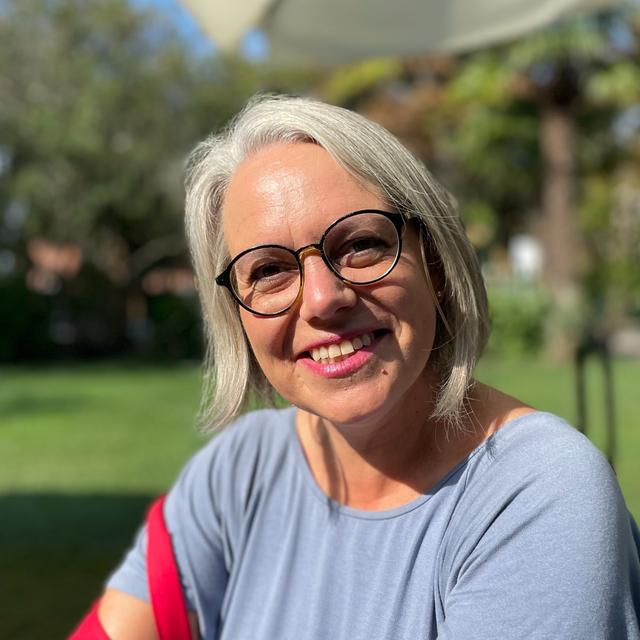 Filipa TomazArchitect and Educator, Head of Education ServicesLisbon Architecture Triennale
Graduated in Architecture and Master in Interaction Design, Filipa has consolidated experience in the practice of architecture in Portugal and the United States. Since 2012 she has been dedicated to developing educational programs using project-based learning and Maker-ed methodologies for STEAM non-formal education for children and youngsters. Over the last eight years she coordinates the educational service of the Lisbon Architecture Triennale, using her experience to promote education in, and through, architecture, through experiences that are inclusive to all.
Making Computational Thinking Tangible
Digital literacy and computational thinking are becoming increasingly important in education. In particular, computational thinking in primary education and programming in secondary education are becoming key components of Dutch education. At Royal Dutch Visio, we believe these skills are not only essential as digital competencies but also play a crucial role in achieving success in further education and future careers. We have developed a digital literacy learning path for primary education, with a strong emphasis on computational thinking. These lessons are designed with the belief that computational thinking should not be limited to computer-based activities but can also be taught in an unplugged manner, focusing on hands-on experiences and supported by tactile materials. In these lessons, we concentrate on four key components of computational thinking: Abstraction Decomposition Algorithms Pattern recognition During this session, we will showcase the lessons we have developed so far. These range from programming small robots to using tactile materials for counting in binary, or even programming your teacher to make a sandwich. Additionally, we will share the insights we’ve gained along the way and the outcomes we’ve achieved with our students. We believe computational thinking is much more than just a way of pre-teaching programming. We believe it is a vital skill for VI learners that can support them in many aspects of life.
-
Ruben BrandsmaTeacher / Innovator(Royal Dutch Visio)
Ruben BrandsmaTeacher / InnovatorRoyal Dutch Visio
Ruben works for Royal Dutch Visio, an expertise organization for people with visual impairments. He is part of the education department, where he teaches a variety of subjects to students from grade 3 up to the fifth year of senior general secondary education (havo), including digital literacy, cooking, technology, and programming. In addition, he is also an innovation project leader and manages several teams, such as the 3D team, the AI team, and the Education Lab. In these roles, he develops innovative applications for education and designs and prints 3D models to make learning more accessible.
-
 Pauline MaasTeacher Digital Literacy(Royal Dutch Visio)
 Pauline MaasTeacher Digital LiteracyRoyal Dutch Visio
Teacher Digital Literacy bij Royal Visio; Queen of the micro:bit; Author "The invent to Learn Guide to the microbit" ; microbitchampion, microbit101.nl; Foundation CodeKlas; codekinderen.nl & 4pip.nl
Table Talks | Monday | Round 2 (3 sessions of 45 mins)
Spatial thinking in tactile images
At Dedicon I developed a series of books and a course that teach how to read tactile graphics of 3D subjects where we use orthogonal projection. It was scientifically proved to be effective in the years 1980-2000, but never universally embraced.
These graphics, in combination with a description, allow readers to build a precise and correct mental representation. The method stimulates spatial thinking.
The next step is to understand how perspective and shadow ‘work’. Without grasping these concepts descriptions of figurative art and photos are futile. Come and learn about our material and discuss how to improve it and cooperate!
-
Dorine in 't VeldProductmanager tactile learning(Dedicon)
Dorine in 't VeldProductmanager tactile learningDedicon
My blind son (1988) in mainstream primary school wanted to work with computers, like his sighted peers. In secondary school he wanted to do math and science. He needed tactile graphics. Each time we had to pioneer. E.g.: there was no braille math code in The Netherlands, one could order only 50 tactile graphics per book.
From an archeologist and art historian I turned into a professional. First at Bartiméus Education for the VI and from 2011 until now at Dedicon.
My main focus was on how to explain concepts with the help of tactile graphics. In 2017 I did a project to set up the Dutch-Flemish Braille Authority and helped revising the 6 dot standard.
Tactile information in public spaces
Blind and partially sighted people need information to orientate themselves in public spaces and to navigate independently. Tactile guidelines are essential, but do not inform where you are or where they lead to. Tactile lettering (information in braille and raised characters) provides additional information but we need to ensure that users find this information, that it is easy to read, useful and accurate.
There are good examples of providing tactile lettering on handrails and in elevators, but in other public spaces that predictability and uniformity is essential as well.
In this session we want to collect further best practices and obtain consensus on the principles regarding discoverability, position and design of tactile information in public (outdoor) spaces, so that international uniformity is the basis for adequate orientation, navigation, simplicity, clarity and predictability. Providing tactile information also allows to find independently your hotel room, the correct waste container, clothing locker or your assigned seat in a concert hall or airplane.
We hope to exchange and collect knowledge and experiences from around the world. This will be used as input to a European standard on tactile lettering that that CEN is developing.
-
 Frouck de BoerOccupational therapist, Accessibility advisor(Royal Dutch Visio)
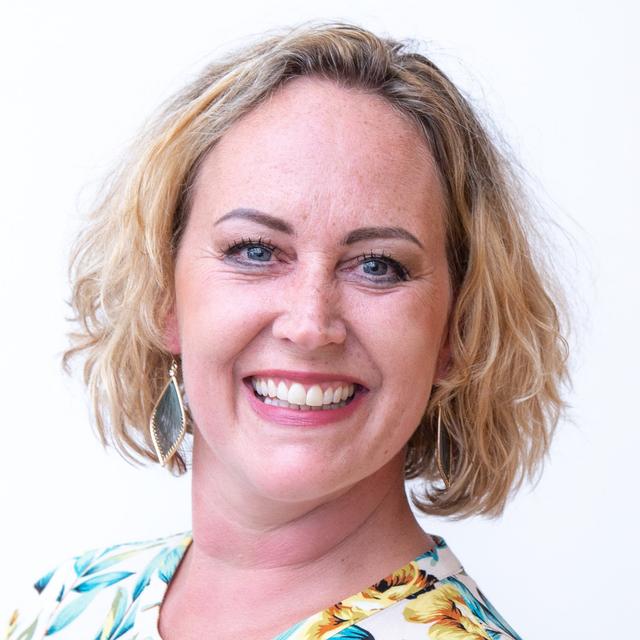 Frouck de BoerOccupational therapist, Accessibility advisorRoyal Dutch Visio
Frouck de Boer is originally an Occupational Therapist. In 1995 she graduated from the Zuyd University of Applied Sciences, after which she started her career in a nursing home on a psychogeriatric ward (PG) and combined her work with the study Clinical and Health Care Psychology, University of Groningen. In 2003 she exchanged the nursing home for the Mental Health Care, where she started working with people with a hearing impairment. In 2009 she made the switch to Royal Dutch Visio. Her focus is optimizing the physical environment from an inclusive perspective, so also people with a visual impairment can use the building space optimal.
In her role as Accessibility Advisor, she is involved in improving the accessibility of public spaces. Her mission is ‘make the world as visible as possible’, so that everyone, in the diversity of people, can make optimal use of the public world. -
 Bart SimonsAccessibility expert(Blindenzorg Licht en Liefde)
 Bart SimonsAccessibility expertBlindenzorg Licht en Liefde
I chair the Braille Authority for the Dutch language and am a member of the Braille working group of the European Blind Union (EBU). As an EBU representative in standardisation, I contribute to a European standard on tactile lettering (Braille and raised characters) in the built environment. I am a life long Braille reader and was among the first children to attend mainstream education. There I developed a strong interest in technology. After my studies of applied economics, I have been working in accessibility consultancy for 22 years.
Interactive workshops (3 sessions of 45 mins each)
Accessible tools & teaching materials
Participation! We would like students to participate in the lessons side by side to well sighted students. Students have subjects like mathematics, physics, biology and science, but also cook and work in a workshop. Royal Dutch Visio selected almost hundred accessible tools and teaching materials for students with a visual impairment. 35 Items are equipped with speech or tactile features and 8 items were inhouse developed by Visio colleagues. The set is aimed to help students compare tools and find the tool best fit for the job. All the information about using the tools can be found on the eduVIP website. Doesn’t every student deservers a set like this one? We show you what is included in the kit and explain the process of adding tools. With this information you can compose your own kit. Wouldn’t it be wonderful?!
-
Ilse DisseldorpScience teacher, project lead(Royal Dutch Visio)
Ilse DisseldorpScience teacher, project leadRoyal Dutch Visio
Ilse Disseldorp has worked as a teacher in physics, math and technology for Royal Dutch Visio and currently leads a project to make the sciences accessible to visually impaired students.
She has authored numerous articles with practical and pedagogical advice on teaching the sciences in education trade journals and for eduVIP.nl (the Dutch platform for education for visually impaired students).
She has developed resources to visualise the sciences: tactile drawings and tools for blind students to make tactile (construction) drawings for math and physics, including a tactile ruler and a tool to draw parallel lines.
-
 Chantal de Graafprojectleader/participant(Royal Dutch Visio)
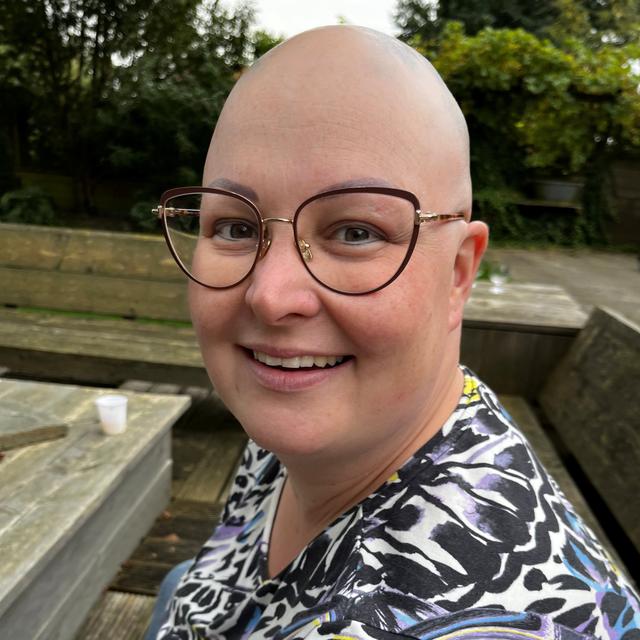 Chantal de Graafprojectleader/participantRoyal Dutch Visio
Seven years ago I applied for a job, with no job description what so ever. And within 6 months my agenda was fully booked with appointments to think and work on materials to make mathematics more accessible for visual impaired students. Till today, nothing has changed in my agenda. But it did for the students.
My strengths are working together, listening to people, thinking outside the box and a high workethos. I will apply those strengths on the congress and hopefully we all get a lot of new ideas to work on.
Mathlete Competition: Integrating Braille Math Notation and Computation
Students who read braille can be successful in math and have fun along the way! By learning braille math notation and using it within mathematical context, students are better prepared for advancement in STEM education and employment. Come and learn how we implemented a virtual and in-person Mathlete Competition for 31 braille readers in grades 6-12 throughout the United States and Canada. Truly, there’s no better motivation than a little friendly competition at the junior or senior level! Junior Mathletes are expected to read, write, and solve problems in braille that contain fractions, mixed numbers, decimals, degrees, exponents, and grouping symbols. They solve problems using what they know about the order of operations. Senior Mathletes are proficient with all of the Junior Mathlete content. In addition, they are expected to read, write, and solve longer problems in braille that may contain radicals, absolute value, negative numbers, and geometry. There are four rounds in the Mathlete Competition. The rounds are: -Sprint Round: Read a problem written in words and select the correct way to braille the problem from the 3 answer choices. -You Solve It Round: Read and solve a math problem using the order of operations. -You Write It Round: Listen to a math problem being read aloud and then braille the problem. -Relay Round: Solve a math problem and then plug the answer into the next problem. During the session, participants will have the opportunity to experience some of the rounds and learn how they can access the practice materials at no cost. The presenters will share common braille and math computation errors and strategies/resources that can be used to increase the student’s skills.
-
 Tina HerzbergProfessor and Coordinator of the Visual Impairment Education Program(University of South Carolina Upstate)
 Tina HerzbergProfessor and Coordinator of the Visual Impairment Education ProgramUniversity of South Carolina Upstate
Dr. Tina S. Herzberg is a Professor at University of South Carolina Upstate where she has coordinated the Visual Impairment Education Program since 2007. She is also the co-author of the Pearson Nemeth Curriculum, and the principal investigator of Project INSPIRE 2: Access and Equity in STEM Learning for Individuals Who Read Braille. Tina is a certified teacher of students with visual impairments and a certified orientation and mobility specialist as well as a former middle school mathematics and English teacher.
To make speech-to-text interpreting accessible in Braille
During the corona pandemic it was difficult for persons with deafblindness who are Braille readers as well as tactile sign language users to get deafblind interpreting into tactile sign language in the same place where they were. And, deafblind interpreting into tactile sign language is not possible in distance. Instead, they were referred to speech to text interpreting in distance. It was a challenge. Partly because the speech to text interpreters did not have experiences in speech to text interpreting for Braille readers. And, partly because the software for speech to text interpreting were not fully accessible in Braille.
Since then, together with some engaged and interested speech to text interpreters, we at the Swedish National Resource Center for Deafblindness, Nkcdb, have tested and evaluated various software for speech to text interpreting. Also, we have tried to influence those who develop the software. Still no software is fully accessible in Braille.
But, thanks to the corona pandemic, speech to text interpreters have learned to offer speech to text interpreting for Braille readers. In addition, persons with deafblindness who are Braille readers have gained access to a new opportunity of taking part in interpreting that also works in distance.
Today, in Sweden, we know a few persons with deafblindness who are Braille readers as well as tactile sign language users that choose to use speech to text interpreting in certain situations or when they do not get access to deafblind interpreting into tactile sign language. But, more persons with deafblindness who are Braille readers have discovered the possibility of using speech to text interpreting as a complement to spoken language or visual sign language.
In this workshop we will share our experiences about speech to text interpreting in Braille. Also, we wish to take part of experiences and solutions from other conference participants.
-
 Linda Eriksson
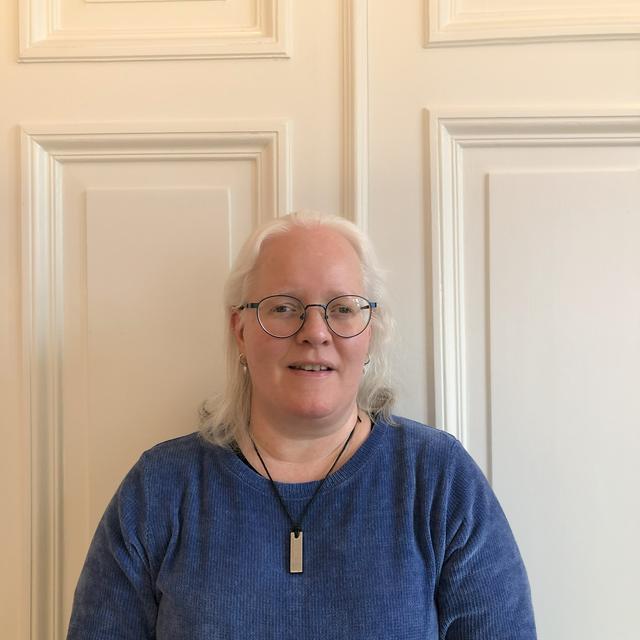 Linda Eriksson
-
 Karin JönssonAT and ICT Specialist(The Swedish Resource Center for Deafblindness)
 Karin JönssonAT and ICT SpecialistThe Swedish Resource Center for Deafblindness
I have been working with AT within ICT (Accessibility Technology within Information and Communication Technologies) for people with vision loss since 1987. In recent years, my focus has primarily been on individuals with combined hearing and vision loss/deafblindness.
Since 2021, I have been a member of the Swedish Braille Authority
Open Table Talks | Monday | Round 3 (3 sessions of 45 mins)
Printing tactile images accurately with UV-printers
Dedicon from the Netherlands and Statped from Norway have incorporated a UV-printer in their production facilities for tactile images. These printers allow for a much finer degree of detail in drawings and print with better consistency of height than swellpaper. The printer prints a mixture of viscous white ink and clear lacquer on paper, which is hardened by UV light before it can be absorbed by the paper. This can be felt as a slight relief on the surface, by printing several layers the height can be increased to 1 or 2 millimetres. Because this tactile layer is made with white ink a full colour print can be printed on top of the tactile image, making the product readable for both sighted and visually impaired people. Contrary to swellpaper, the output from these printers can be controlled accurately, allowing illustrators to add more detail whilst also improving tactile discrimination. By printing on a moveable print bed, similar to 3D printers, UV-printers can print on various materials and 3D objects. This allows for the production of new teaching materials which promote inclusive education, where visually-impaired and sighted students can work together. The use of UV-printing is limited due to the higher cost of consumables and longer printing times compared to other production methods. The benefits of better tactile discrimination and more detailed inclusive materials can outweigh these downsides if applied properly. Dedicon and Statped believe UV-printing has great benefits for certain applications in making inclusive tactile materials for visually impaired people. We invite those interested in this technology to discuss the possibilities, advantages and limitations.
-
 Julian NautaProductmanager(Dedicon)
 Julian NautaProductmanagerDedicon
As product manager of braille books and tactile drawings, I am responsible for the customer research, innovation and development of these products. I do this by working with various internal and external stakeholders and multidisciplinary teams. I conduct customer research and advise the company and management on what is needed to make our products even better suited to our customer's needs.
I have a background in product design and regularly tapp into the principles of design thinking in my work.
-
 Kaia OdegaardSenior Advisor and Illustrator(STATPED)
 Kaia OdegaardSenior Advisor and IllustratorSTATPED
Working as a tactile designer/illustrator at Statped/Norway since 2024
Background:
- Over 20 years of experience in illustration and educational resource design
- Teaching experience within arts and crafts
- Media production manager in higher education
I am particularly interested in finding flexible solutions to tactile challenges by experimenting with various materials and exploring educational tools that bridge the gap between digital and physical formats. I am curious about how to connect tactile illustrations with digital solutions and how to incorporate multiple senses into the learning experience.
Oral presentations (2x) - Atriumzaal day 1 round 3 (CHOOSE BOTH)
Navigate the transition between kindergarten and school with inclusive material
One of the biggest transitions in a child's life is between kindergarten and primary school. This presentation will show how we, with the aid of material designed to be inclusive, can make this big change in the child's life smoother. Transitional objects in this context refers to familiar learning objects that follow the child from kindergarten to school. The purpose of the objects is to create a connection between kindergarten and school for the child, making the transition easier and more coherent. In this presentation we will show how research, practice and guidelines in and from Norwegian kindergartens and schools has led to the development of the “Preschool starter pack”. This is material developed at Statped to provide schools with introductory tactile material for children learning Braille, already from their first visit to the school. With the help of this material, children who are blind can better participate in an inclusive learning environment from day one with their new teacher and peers. We would like to present the different tools included in the "Preschool starter pack" and the reasoning for the choices we have made when developing it. In addition, we will also present the “Tactile drawing pack” that provides children experience with tactile drawing. Drawing is a common assignment in kindergarten and primary school, and the "Tactile drawing package" shows how drawing assignments can happen in an inclusive way. We will also discuss development of drawing skills, and how to provide opportunities for creativity for children with blindness when drawing.
-
Fridtjof Åldstedt
Fridtjof Åldstedt
-
Silje Benonisen
Silje Benonisen
-
Anette HoldhusSenior advisor(Statped)
Anette HoldhusSenior advisorStatped
I have spent the past seven years working at Statped as a senior advisor. Before that, I worked as a TVI in a primary school.
With a passion for learning and a deep joy in seeing children succeed, I am driven by the desire to create an inclusive and stimulating learning environment. I love exploring new methods and knowledge that can make a difference for children and young people!
How LEGO Braille Bricks are a game changer
LEGO Braille Bricks is a fun and inclusive concept to teaching braille to blind and visually impaired children through play. Its universal design helps them develop academic skills while fostering inclusion with their sighted peers.
Now available in 34 countries, this initiative is making a real difference! Come discover our journey so far and hear inspiring testimonials from beneficiaries.
-
 Marc AngelierCEO(The LEGO Foundation/The Braille Program)
 Marc AngelierCEOThe LEGO Foundation/The Braille Program
Staunch defender of braille, author of tactile books for blind children and specialized teaching methods, Marc Angelier travels the world training teachers in pedagogical techniques specific to visual impairment to make inclusive schooling for all a reality!
He participates in research studies and training programs to increase students with disabilities’ accessibility to education.
Since 2019, he is, with Marie Oddoux, in charge of the development and implementation of the inclusive LEGO Braille Bricks concept for the LEGO Foundation. This amazing concept allows visually impaired children from all over the world to learn braille and develop the breadth of skills they will need for the future.
-
 Marie OddouxFounder(The braille Program)
 Marie OddouxFounderThe braille Program
Marie Oddoux is the founder of The Braille Program.
Since 2019, with Marc Angelier, she is in charge of the creation and implementation of the global LEGO® Braille Bricks inclusive educational concept for the LEGO Foundation.
Marie is an occupational therapist specialised in braille. She has a degree in low vision rehabilitation.
With more than 20 years of experience in the field of blindness, she wrote books for children and inclusive methods to learn through touch.
She is a strong advocate for Braille and travels the world on training missions, particularly on inclusive education and visual impairment. She believes in the power of play, of learning through play for all children!
-
Jackson Sanya ObaleSenior inclusive education officer(Ministry of education and sports)
Jackson Sanya ObaleSenior inclusive education officerMinistry of education and sports
Oral presentations (2x) - Grote zaal day 1 round 3 (CHOOSE BOTH)
Music Braille: where are we now?
-
 Sarah Morley WilkinsProject Manager(The DAISY Consortium)
 Sarah Morley WilkinsProject ManagerThe DAISY Consortium
Freelance Project Manager and User Experience Consultant.
Working with DAISY Consortium and WIPO Accessible Books Consortium.
Oral presentations (2x) - Kleine zaal day 1 round 3 (CHOOSE BOTH)
Fierce Flora: tactile images of plants at the US Botanic Garden
This session will explain new methods developed by Touch Graphics Inc to produce precise, durable tactile graphics for museum exhibits. The presentation will focus on Fierce Flora, a new exhibition at the United States Botanic Garden in Washington, DC. Here, curators have incorporated visual-tactile pictures of poisonous plants that visitors are encouraged to touch. Adjacent to each herbarium sample illustration is the actual growing plant in a glass cylinder. With the addition of a few braille/large print labels, the pictures are accessible to blind and low vision visitors, however the main purpose of adding textures and raised lines is to give all visitors something to get their hands on, and to encourage a more direct, visceral experience. In general, museums are moving away from the tradition of admonishing visitors about not touching exhibits materials, to engage visitors in a physical way, while also improving universal accessibility.
The presentation will culminate in a series of tactile challenges, where audience members will be able to show off their skills in reading and interpreting raised-line figures, starting with very easy puzzles, and building up to a very difficult tactile maze that they must navigate just by touch.
-
 Steve LandauTactile designer(Touch Graphics Inc)
 Steve LandauTactile designerTouch Graphics Inc
Steve founded Touch Graphics Inc in 1998. Since then, the company has focused on developing new methods for printing raised-line and textured maps, signs, exhibits and classroom aids. All of these products present spatial concepts in forms that are accessible to the largest possible audience, through universal design practices.
Co-designing Biology Picture Books with Blind Students
Our research explores how visually impaired students perceive biology through collaborative design. Working directly with a blind sixth-grader, we created a tactile storybook using 3D pens and embossing techniques.
We discovered how tactile experiences shape biological understanding—the student's frog had long arms for hugging, inspired by an IKEA toy rather than actual anatomy.
The collaboration resulted in a published 24-page tactile book now in distribution. This successful co-design approach shows how engaging visually impaired students directly creates more effective educational materials while honoring their unique perspectives on the natural world.
-
 ChuYu ChengAssociate Professor(Southern Taiwan University of Science and Technology)
 ChuYu ChengAssociate ProfessorSouthern Taiwan University of Science and Technology
As a associate professor in Product Design, I've focused my research over the past decade on developing products for the visually impaired and advancing Braille education.
My recent work has centered on creating biology-related tactile learning tools that enable visually impaired students to access and understand complex scientific concepts through touch. These educational materials translate visual information into tactile experiences, making science education more inclusive and equitable.
I'm committed to using design innovation to break down barriers to education and improve quality of life for those with visual impairments.
Interactive workshops (3 sessions of 45 mins each)
Drawing in math and physics
In this workshop you will learn how to do mathematical and physical drawings in a way that blind students can do it too. The aim is to give blind students equal opportunities to visualise the sciences an improve their understanding of the subject.
We will use drawing foil on a rubber mat, a pinboard, pins, a ruler and a tool to draw parallel lines. You will create your own accessible tactile worksheets and use these to practice with construction drawings for lines of sight, parallel lines, and ray diagrams for shadows and lenses. It is even possible to add vectors using the parallelogram law.
We conclude the session with a demonstration of a Geoboard with a physics extension set that provides an easier way for students to create these diagrams.
This workshop is fully accessible. No math skills required.
-
Ilse DisseldorpScience teacher, project lead(Royal Dutch Visio)
Ilse DisseldorpScience teacher, project leadRoyal Dutch Visio
Ilse Disseldorp has worked as a teacher in physics, math and technology for Royal Dutch Visio and currently leads a project to make the sciences accessible to visually impaired students.
She has authored numerous articles with practical and pedagogical advice on teaching the sciences in education trade journals and for eduVIP.nl (the Dutch platform for education for visually impaired students).
She has developed resources to visualise the sciences: tactile drawings and tools for blind students to make tactile (construction) drawings for math and physics, including a tactile ruler and a tool to draw parallel lines.
-
Chantal de Graafprojectleader/participant(Royal Dutch Visio)
Chantal de Graafprojectleader/participantRoyal Dutch Visio
Seven years ago I applied for a job, with no job description what so ever. And within 6 months my agenda was fully booked with appointments to think and work on materials to make mathematics more accessible for visual impaired students. Till today, nothing has changed in my agenda. But it did for the students.
My strengths are working together, listening to people, thinking outside the box and a high workethos. I will apply those strengths on the congress and hopefully we all get a lot of new ideas to work on.
Enhancing Tactile Communication - Touching Imagination
In a world dominated by visual communication, touch readers face significant challenges. In collaboration with blind artists and writers my research explores how tactile communication can go beyond functional information transfer to embrace emotional and artistic expression.
Inspired by Futurism and Dadaism, I developed a new form of tactile typography, opening new literary experiences for blind readers.
In this workshop, participants will learn about the research and experience it first-hand. They will be invited to experiment with language and form, challenging sight-centered practices and exploring the creative, expressive potential of braille and multi-sensory design.
-
 Ann ConefreyTactile Graphic Designer and Researcher(Conefrey Design)
 Ann ConefreyTactile Graphic Designer and ResearcherConefrey Design
With over 30 years experience in art and design, I have spent the last decade focused on advancing the quality and diversity of accessible materials for the visually impaired—including my own daughter, who is blind. Collaborations with special education have led to a range of projects, including several award-winning tactile children’s books.
Last year I achieved a Master’s in Design, researching ways to enhance tactile communication for touch readers through the development of more emotionally rich and aesthetically engaging forms. I am currently an advisor for the Erasmus+ project Tacticos and develop projects for the creative sector and (dis)ability awareness.
Turning the Tables: the Unseen Link Between Hard Copy Braille and Screen Reader Mastery
Many screen reader users are terrified of tables!
Learning to use any aspect of a screen reader can be challenging, but when it comes to tables, there often seems to be an invisible barrier which a lot of people find impossible to overcome. Even if they know the right keystrokes and the settings they can configure, tables still don't make sense to them.
In a world where spreadsheets and databases dominate the workplace and paperless bills and bank statements are the norm in our households, not being able to interact with tables puts blind people at a profound disadvantage, limiting their independence and stunting their professional development.
I believe we can, and must, do things differently. As an assistive technology trainer and a passionate braille user, I am convinced that there is more to this problem than simply finding different ways to teach the same keystrokes: We need to help screen reader users understand tables before we teach them how to work with them, and to do that, we need to step away from the computer.
In this workshop, we will discover how braille is key to breaking down the invisible barrier between blind people and tables. Using a carefully curated collection of tables in both electronic and hard copy braille formats, we will explore:
• The importance of reading from top to bottom as well as left to right;
• Developing an understanding of common table formats and how to read them;
• Creating and inspecting mental models of tables;
• The role of cell borders in presenting data efficiently;
• Predicting a pathway through an unknown table with confidence.
Bring your laptop and your best braille reading, and let's “turn the tables” together!
-
 Matthew Mr HorspoolBraille and Assistive Technology Consultant(Matthew Horspool)
 Matthew Mr HorspoolBraille and Assistive Technology ConsultantMatthew Horspool
Matthew has been blind since birth and fervently believes that braille is an essential tool for all visually impaired people. He makes extensive use of braille both personally and professionally, and his career spans over ten years in the UK visual impairment sector in roles which bridge the boundaries between braille and technology.
In addition to his freelance work training individuals in the use of screen readers and braille devices, he holds several influential positions including:
• General Manager, The Braillists Foundation
• Braille Subject Lead, UK Association for Accessible Formats (UKAAF)
• Code Maintenance Officer, International Council on English Braille (ICEB)
Open Table Talks | Monday | Round 4 (3 sessions of 45 mins)
Innovating Math Games
By Mountain Lakes Public Library - Makerspace
Oral presentations (2x) - Atriumzaal day 1 round 4 (CHOOSE BOTH)
The Practice and Effectiveness of Project-Based Learning in the "Braille" Course of Special Education Programs
-
 Chun-Hui WuAssociate Professor(National Taipei University of Education, Taiwan)
 Chun-Hui WuAssociate ProfessorNational Taipei University of Education, Taiwan
Dr. Chun-Hui Wu is an Associate Professor at the National Taipei University of Education, Taiwan. She works in the Department of Special Education, which primarily aims to train special education teachers. At the university, she mainly teaches courses related to visual impairment. Her research focuses on reading resources for individuals with visual impairments, tactile reading, practical studies on education and teaching for the visually impaired, as well as support and guidance for visually impaired students in higher education.
Braille in the Linguistic Landscape
Linguistic Landscape studies have traditionally investigated multilingual signs in urban spaces, such as signs featuring Hebrew, Arabic and English in Israel (Ben Rafael et al., 2006). Although braille is not a language, it is argued that braille signs can also give us information about the languages spoken in a community, and is furthermore important marker of the diversity within an urban population.
In order to investigate the role of braille signs in the linguistic landscape, online surveys were conducted with members of the Blind community in two urban centres: Tokyo, Japan, and Melbourne, Australia. The results show interesting similarities and differences in the relationships between the signs and sign users, vis-à-vis the increasing availability and usefulness of technology for navigating public spaces.
-
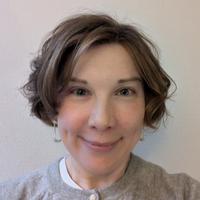 Hannah Dr. KunertLecturer(Komazawa University)
 Hannah Dr. KunertLecturerKomazawa University
My research interest is braille in the linguistic landscape. The 'linguistic landscape' usually refers to the different languages on signs in urban landscapes, such as signs in English, Chinese, Japanese and Italian in my hometown Melbourne, Australia.
Although braille isn't a language, I realized that having braille signs around a city is not only important for Blind people, but also serves as a marker of the diversity of the community. This is a relatively new research area for me, and I'm looking forward to meeting new contacts and potential collaborators at this conference!
Oral presentations (2x) - Grote zaal day 1 round 4 (CHOOSE BOTH)
Tactile Reading Modernization at the National Library Service
The National Library Service for the Blind and Print Disabled (NLS) has begun a modernization effort that impacts the entire suite of tactile products and services. This presentation will explore the project's past, present, and future, detailing the complexities of overhauling an established tactile reading program in favor of a more dynamic, versatile, and modern version. With the successful nationwide rollout of the eReader to all tactile readers in the United States, braille modernization has consistently taken a patron-centric approach to prioritizing projects and decision-making.
-
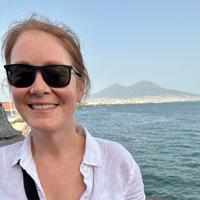 Alice O'ReillyChief, Collections Division(National Library Service for the Blind and Print Disabled, Library of Congress)
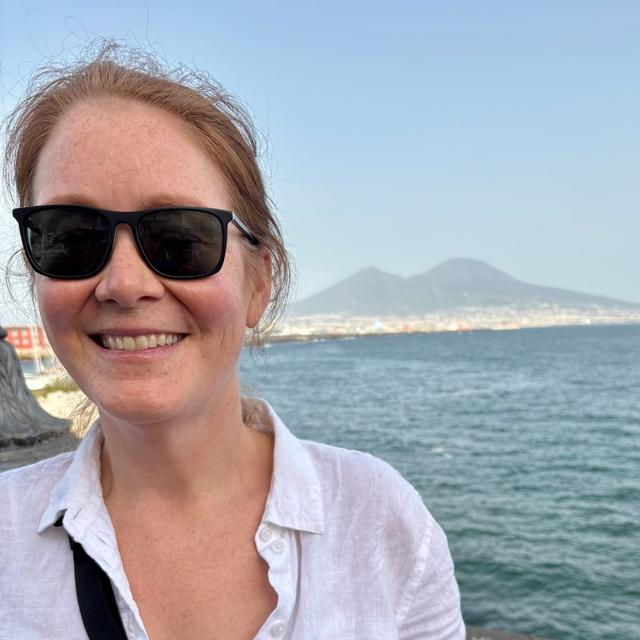 Alice O'ReillyChief, Collections DivisionNational Library Service for the Blind and Print Disabled, Library of Congress
Alice O’Reilly is the Chief of the Collections Division at the National Library Service for the Blind and Print Disabled, Library of Congress. She works with a fantastic team, creating accessible content in audio and braille format for people with print disabilities.
Alice has worked at NLS for almost 20 years in various roles, each focused on accessibility and content creation. Before coming to NLS, Alice studied at the School of Information at the University of Texas at Austin and earned her JD at the University of Oregon School of Law.
Accessible STEM books: are we there yet?
Books with STEM (Science, Technology, Engineering and Mathematics) content are especially challenging to make accessible. MathCAT (Math Capable Assistive Technology) is an open source tool that helps screen readers access math content. This creates new possibilities to have math spoken aloud or presented in electronic braille. MTM (The Swedish Agency for Accessible Media) and SPSM (The National Agency for Special Needs Education and Schools) collaborate on STEM with our Nordic counterparts. Together we are making MathCAT available in the Nordic languages. Using MathCAT, we are able to produce STEM books where the user can choose to access math content in a number of different ways. The presentation will include a demonstration of how STEM content is accessed with MathCAT.
Participants will learn:
- The benefits for braille users accessing STEM content with MathCAT.
- How MathCAT can be used in an e-book production chain for creating accessible STEM content.
- How to go about adapting MathCAT to your language.
-
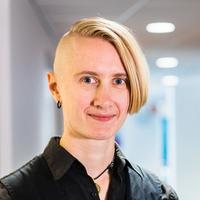 Tim Arborealis LötbergSTEM specialist(Swedish Agency for Accessible Media)
 Tim Arborealis LötbergSTEM specialistSwedish Agency for Accessible Media
Tim works with accessible book production at the Swedish Agency for Accessible Media (MTM). With a background in astrophysics, they are managing projects related to STEM content. For the past two years they have been working on translating MathCAT into the Nordic languages and building it into MTM:s book production process.
-
 Anders EklundProject manager(SPSM (National Agency for Special Needs Education and Schools))
 Anders EklundProject managerSPSM (National Agency for Special Needs Education and Schools)
I have worked with producing accessible teachings materials for 25 years, I have a masters degree in physics and have mostly focused on STEM materials with focus on Braille readers.
Oral presentations (2x) - Kleine zaal day 1 round 4 (CHOOSE BOTH)
Comparison of tactile materials for math education between Germany and Japan
When we asked teachers at schools for the blind in Germany to show us important teaching materials for STEM education for children with visually impairment, we were introduced to the materials for use at various stages from preschool to high school. The most common among them were teaching materials for mathematics education. Therefore, in this presentation we will compare tactile teaching materials for mathematics in Japan and Germany and consider the background to their similarities and differences. There were many similarities between German and Japanese educational materials. For example, materials such as graph boards and drawing tools were designed to allow blind children to learn geometry independently using the most of their senses. There were common reasons for using and the design of the materials was the same. On the other hand, there were some differences. For example, reading and writing braille on paper without using electronic devices is the standard in Japanese primary education. However, in Germany, blind children were using braille displays and PCs to read and write braille including math formulas in class from the elementary school level onwards. In addition, in Germany, the programming language TeX is used from the elementary school level onwards to directly exchange information with sighted, but in Japan, a third party provides braille translation in accordance with the rules for braille mathematical symbols. Furthermore, in Japan, exams are only given on paper, so careful selection of tactile diagrams and ways to draw easy-to-understand diagrams are constantly being considered, but in Germany, three-dimensional models are also used in exams.
-
Mayumi Aoyagi
Mayumi Aoyagi
-
Kozue Handaresearcher(Meiji Gakuin University)
Kozue HandaresearcherMeiji Gakuin University
-
 Hisae MiyauchiResearcher(University of Tsukuba, Japan)
 Hisae MiyauchiResearcherUniversity of Tsukuba, Japan
Dr. Hisae Miyauchi is an Associate Professor at the University of Tsukuba, Division of Disability Sciences, Japan. She serves as the Principal Investigator for the four-year, Japanese Ministry of Education-funded project, "Inclusive Graphicacy Tools and Techniques for Promoting Access to STEM Education”. The project addresses the global challenge of exclusion of students with blindness from the STEM field, involving researchers with expertise in mathematics and visual impairment from the US, Europe, and Asia.
-
 Mayu MoriLecturer(Hiroshima University)
 Mayu MoriLecturerHiroshima University
I am a Lecturer in the Teacher Training Course for Special Needs Education, Hiroshima University, Japan.
Adaptation for primary schools mathematics books in Norway
We will present how a textbook is adapted pedagogically for Braille students in primary schools in Norway. Our main focus is on tasks that are not aimed at the student achieving the learning goals in an inclusive setting. We will talk briefly about how textbooks in mathematics are presented according to the level of math. We will see how efforts are made to ensure that the blind student achieves the same learning goals as his fellow students in an inclusive setting. For many years Statped has been assigned responsibility for producing textbooks for students who use braille. These have previously been pure transcriptions of text into braille with associated tactile illustrations. In many cases, this has been unproblematic. In recent years teaching in the subject has become more and more based on visual tools. The objectives in the Norwegian curriculum in mathematics are not based on the assumption that pupils can see, but the textbooks' interpretation of the objectives may in many cases make this assumption. If the textbook is adapted directly, it may mean in some cases, that the learning objective the task is intended to cover is not covered for the blind students, or the task does not benefit the student. It can also deprive the student of the opportunity to work in an inclusive setting. We will present some tasks from the mathematics book and show examples of how a visually demanding task is adapted. This includes identification of the learning goals, alternative approaches to the goal within the frames of the assignment and preparation of the assignment. In addition, we will take the participants through the selection of material, which can be both tactile illustrations and 3D printed material, or simply everyday objects, if they are more suitable.
-
Torbjørn SimmenesSenior advisor(Statped)
Torbjørn SimmenesSenior advisorStatped
Torbjørn is working in the norwegian organitsation Statped. He is advising the staff in regular schools which hava braille students. He has been Working in Statped since 2021.
He is also a former primary school teacher in maths and other subjects with more than over 10 years experience. During these years ha has alson been working with a Braille student integrated in the class.
Interactive workshops (3 sessions of 45 mins each)
“Making participation possible in the practical lessons"
Visually impaired or blind students are often excluded from practical lessons such as Technology, Arts and Crafts, and Consumer Studies in regular education. Teachers and students are sometimes unsure of how to address and adapt to this. However, the “Practical Skills” project group of Royal Dutch Visio aims to change this by promoting inclusion and participation. In special education for visually impaired students in the Netherlands, practical subjects have proven to be highly beneficial. These subjects allow students to express themselves, build confidence, gain tools for independent living, and participate equally with their peers in lessons. This is achievable in any classroom when you consider and think from the perspective of five compensatory skills. By making adjustments within: Organizing your workspace, using your senses, working with contrast and lighting, magnification and aids, you can achieve participation. To reach teachers in regular education, an introductory video (in Dutch and English) and 10 subject-specific videos have been made. Tipcards have also been developed, and special education teachers are available, you can emaill them trough the helpdesks and they provide courses. The visually impaired students themselves play a significant role in these products; they tell the viewers of the videos in various ways how you can offer help and what the benefits are for them. Curious? This presentation will showcase the project’s results and discuss the methodology. By showing and experiencing what an adjustment within the five compensatory skills can do, we would like to demonstrate with a show and tell how you can make a difference tomorrow.
-
Frank ter Beek
Frank ter Beek
-
Andre Vurens
Andre Vurens
Open Your Ears: Empowering Young Learners through Sonification and Tactile Literacy
Sonification, a technology that represents information through non-speech sound, offers an alternative way to access information, particularly for individuals who are blind or have low vision (BLV). In (STEM ) education, sonification combined with tactile resources can provide vital access to visual information. This workshop, by app developer Phia Damsma and experienced BLV educator Lily Gower, introduces innovative approaches to teaching sonification to primary school-aged children who are BLV, focusing on how these skills promote valuable learning outcomes. Phia will present CosmoBally on Sonoplanet, an interactive educational app developed by Sonokids as part of the Ballyland suite. The app enables children to explore sonification through games, supporting the learning of students with BLV. Published research on the app’s impact will be discussed. Lily will then share expert pedagogical strategies for teaching sonification, the reciprocal relationship between tactile reading and digital proficiency will be demonstrated, highlighting their mutual reinforcement in educational contexts. The workshop will include a series of structured activities, guiding participants through the sequential teaching of sonification concepts. This will cover basic sonification principles, working with horizontal and vertical dimensions, understanding grids and coordinates, and using sonification to interpret tactile graphics, such as maps and graphs. We will conclude with a discussion of follow-up activities and the practical implications of these skills in empowering young learners. We will invite questions and reflections on best practices for implementing sonification in education, encouraging dialogue about its future applications for children with visual impairments. Participants will also explore the broader implications of integrating tactile and digital literacies into educational frameworks. Open to all, regardless of prior experience with sonification or the CosmoBally app.
-
 Phia DamsmaCreative Director(Sonokids Australia)
 Phia DamsmaCreative DirectorSonokids Australia
Having co-founded Sonokids in 2000, Phia moved from Holland to Australia in 2005. Phia is co-president of South Pacific Educators in Vision Impairment (SPEVI Inc), the professional association for specialist educators (vision impairment) in Australia and the South Pacific Region. It was at the 2020 SPEVI conference in Adelaide, South Australia, that her 25+ years of creating educational game apps for learners who are blind or have low vision and other important contributions to the disability sector was recognised by her being made a Knight in the Order of Orange-Nassau. Imagine the surprise when the ambassador interrupted by walking onto the stage!
Other fun facts are that Phia’s favorite on Spotify from the recently released 'Sonokids Song Book 1, by the Ballylanders', is the Gum Tree song, that she’s one of the original members of the Sonification World Chat (supporting sonification as a tool to make STEAM accessible), co-authored a publication in Nature Astronomy, is a writer of children’s books, recently experienced the wrath of a tropical cyclone, and has an Australian kelpie at home.
-
 Lily GowerSpecialist Teacher Vision Impairment(South Australian School and Services for Vision Impaired)
 Lily GowerSpecialist Teacher Vision ImpairmentSouth Australian School and Services for Vision Impaired
Lily Gower is a Highly Accomplished Teacher at the South Australian School and Services for Vision Impaired, with expertise in tactile learning, non-visual art, and inclusive education. She has presented widely on accessible strategies for students who are blind or have low vision (BLV), including non-visual drawing and sonification. Lily recently co-led the “Museum for Touch” project with the University of Sydney, creating multisensory museum experiences. Her work empowers BLV students through hands-on, creative, and meaningful learning.
Pre-Braille: The Unexpected Fast-Track to Adult Braille Reading Success
-
Chantelle GriffithsCo-Founder and CEO(Tactile and Technology literacy Centre (TTLC))
Chantelle GriffithsCo-Founder and CEOTactile and Technology literacy Centre (TTLC)
Chantelle is a CEO, entrepreneur and life-long Braille user. Her career has centered around teaching literary and music Braille and assistive technology skills to adults in New Zealand and Australia. She currently serves as a trustee for the Braille Authority of New Zealand Aotearoa Trust).
Chantelle's latest projects include collaborating on the Braille Music for Us learning framework with Dr Wendy Richards and creating innovative Braille and tactile puzzle books. Other projects include learning to design tactile graphics without vision and writing a screen reader-specific course on using and producing Braille music scores with MuseScore and Sao Mai Braille.
Oral presentations (2x) - Atriumzaal day 2 round 1 (CHOOSE BOTH)
Fostering a Love for Reading and Language Preservation
Under the South African Constitution, discrimination on the grounds of disability is prohibited and children’s right to education is enshrined. However, only a small percentage of text published in South Africa is made available in accessible formats, including tactile material for visually impaired readers. This leads to a severe lack of contextually relevant material in local languages for the thousands of visually impaired children enrolled in South African schools. Additionally, South Africa sees its 12 official languages coexisting with below-average childhood literacy rates and therefore, it is vital that we foster a love for reading among children, turning them into life-long readers. This presentation will explore some of the ways that tactile picture books can contribute to improved literacy acquisition and language preservation amongst young visually impaired readers. We will discuss how tactile picture books can bring the world to life for visually impaired children through a multimodal reading experience. Our South African context adds a unique dimension, considering the diverse linguistic landscape and the need to celebrate Indigenous languages while remaining sensitive to the income disparity amongst the South African population.
-
 Wilna CombrinckGraphic Designer/Lecturer(South African Library for the Blind/Red & Yellow Creative School of Business)
 Wilna CombrinckGraphic Designer/LecturerSouth African Library for the Blind/Red & Yellow Creative School of Business
Wilna Combrinck is a graphic designer with a focus on food, lifestyle, and non-fiction publications. In addition to her professional work, she shares her expertise as a part-time lecturer at Red & Yellow Creative School of Business in Cape Town, South Africa. Wilna also contributes her design skills to the South African Library for the Blind, where she is a tactile picture book design volunteer. Her areas of special interest include children’s literacy, literacy acquisition in low-income communities, and design accessibility for people with visual impairments. Her Master of Art dissertation examined tactile design for visually impaired children within South Africa’s multilingual context.
-
 Stephanie SimpsonIllustrator/Illustration lecturer(Red & Yellow Creative School of Business)
 Stephanie SimpsonIllustrator/Illustration lecturerRed & Yellow Creative School of Business
Steph Simpson is an illustrator practicing under the name "Me and Norman".
She navigates the creative process through the eyes of her imaginary friend, Norman, who is responsible for the chaos and silliness in her work. With Norman's help, Steph feels fearless and is able to stare a blank page straight in the eye and conquer it. She is very focused on the process and place that she climbs into when illustrating – a world that she is unable to leave once the image starts to take form.
She also lectures illustration at Red & Yellow, Creative School of Business in Cape Town, South Africa. She encourages her students to experiment and “play until something happens”, to reach a creative solution.
Above all, she sees herself as a storyteller, extending to all spheres of her life - whether she is at her desk, in her home studio or in the classroom with her students. For her, "Illustration is visual storytelling and making images is a kind of game I play to amuse myself."
She completed a Masters in Visual Arts (UNISA 2024) along the topic of creativity and the significance of play and the imagination in spurring on creativity.
T-rep: a web repository of tactile cartographic knowledge
In 2024, we started a three-year project, whose main goal is to provide the international research community and tactile cartography practitioners with access to methods and techniques for creating tactile maps using modern reproduction technologies.
This goal will be realized by organizing a series of multi-day international workshops in different parts of the world. In addition, the project will develop a public repository of verified symbols for use on tactile maps, along with well-established tactile map editing rules.
During the conference, we would like to share the results of our work and invite you to utilize them.
-
 Jakub WabinskiAssistant professor(Military University of Technology in Warsaw, Poland)
 Jakub WabinskiAssistant professorMilitary University of Technology in Warsaw, Poland
Co-chair of the ICA Working Group on Inclusive Cartography. Graduated from his BSc studies at the Maritime University of Szczecin in 2015 and MSc studies at the Military University of Technology in Warsaw in 2017. He worked as a postgraduate researcher at the Dublin Institute of Technology in Ireland (2017) and a courtesy research assistant at the University of Oregon in the United States (2020).
As a part of his doctorate, he has been working on the issue of tactile map design and the automation of tactile map production. He is also interested in novel cartographic presentation methods.
A board game enthusiast and a wanderer, he enjoys spending time in nature.
Oral presentations (2x) - Grote zaal day 2 round 1 (CHOOSE BOTH)
Learning Through Play: The International Lego Braille Bricks Research Project.
-
 John RavenscroftProfessor of Childhood Visual Impairment(University of Edinburgh, The Scottish Sensory Centre Moray House School of Education and Sport)
 John RavenscroftProfessor of Childhood Visual ImpairmentUniversity of Edinburgh, The Scottish Sensory Centre Moray House School of Education and Sport
Professor John Ravenscroft
Professor John Ravenscroft, PhD (Chair of Childhood Visual Impairment) is Director of the Scottish Sensory Centre, University of Edinburgh. He is also Director of the Centre for Research in Education, Inclusion and Diversity (CREID). Currently, he is Editor in Chief of the British Journal of Visual Impairment and President of the International Council for Educators of Children with Visual Impairment (ICEVI) Europe).
Valuing the expertise of braille teachers to create an evidence-based developmental pathway for braille literacy
-
 Emily WhiteLecturer(University of Melbourne)
 Emily WhiteLecturerUniversity of Melbourne
Emily H. White, PhD (she/they) is a Lecturer (Teaching & Research) in the University of Melbourne Faculty of Education and serves as President of the International Council for Education of People with Visual Impairment (ICEVI) – Pacific. A qualified specialist teacher in vision impairment and health/physical education, she has 20 years’ experience in disability-specific and inclusive education. Her work leverages expert knowledge, assessment, and technology to help teachers use evidence to provide an inclusive, equitable, and high-quality education for students with disability, particularly blindness, low vision, deafblindness, and multiple disabilities.
LinkedIn: https://www.linkedin.com/in/emilyhwhite/
(Presentation title: Valuing the expertise of braille teachers to create an evidence-based developmental pathway for braille literacy)
Oral presentations (2x) - Kleine zaal day 2 round 1 (CHOOSE BOTH)
Adaptation and validation of ITVIC, intelligence test for visually impaired children
The ITVIC, developed in 1989 by R. Dekker et al., is an intelligence test for visually impaired children aged 5-16, created to assess their cognitive abilities. Over time, its standards have become outdated, making results less reliable. Despite this, it remains in use due to the lack of alternatives and the need for information from parents and teachers, with psychologists gaining extensive experience administering it.
This project has developed a revised version of the ITVIC, featuring 8 tactile-based components, added observation items (e.g., tactile skills and strategies), and culturally adapted language. The goal is to standardize its administration. Over the next five years, test data from students in the Netherlands and Flanders will be collected and compared with WISC-V verbal scores and academic tests to validate the revised ITVIC.
-
 Yvonne KruithofEducational psychologist(Bartiméus)
 Yvonne KruithofEducational psychologistBartiméus
Yvonne Kruithof works as a educational psychologist at the school of Bartimeus. She has over 25 years of clinical experience in working with children with a visual impairment. By administering psychological and developmental tests she identifies the level of functioning and (educational) needs of these children.
She has experience in developing programs for psycho-education (See, MyCVI) and has conducted effect studies in collaboration with the Vrije Universiteit Amsterdam.
She is currently pursuing a PhD in which she is developing a support module for families of children with CLN3 disease/Batten disease. -
Anita Steenvoordeneducational psychologist(Koninklijke Visio Amsterdam)
Anita Steenvoordeneducational psychologistKoninklijke Visio Amsterdam
Since 2016 Anita Steenvoorden has been working as an educational psychologist at the school of Royal Visio Amsterdam, a school for blind and visual impaired children. She started her career as a paediatric physiotherapist and specialized in Neurology en Sensory Information Processing.
At the Visio-school she works with students aged 4 to 20 years old, in both special primary education and special secondary education. The student population she works with is diverse: from those with normal learning abilities to those with severe multiple disabilities.
The tactile book of mathematical graphs
-
Floor VenderboschTeacher/ Lecturer/ Project member(Royal Dutch Visio)
Floor VenderboschTeacher/ Lecturer/ Project memberRoyal Dutch Visio
Hey! My name is Floor Venderbosch. I am a passionate math teacher for higher secondary education at Royal Visio Rotterdam and a math lecturer at the teachers department of Hogeschool Rotterdam. Besides this, I focus on developping and testing learning materials for students with a visual impairment.
My main focus is on creating inspiring, playful and creative learning materials for braille readers and low vision students for mathematics. I am very passionate about mathematics and like to inspire students to enjoy the subject as much as possible. Besides that, I really like coming with creative solutions for braille readers when they focus difficulties in math class. I would like to get in touch with other people that share this interest, no matter what school subject.
Table Talks | Tuesday | Round 1
Braille displays usage
At the end of 2023 and beginning of 2024, the Braille Working Group of European Blind Union conducted a world-wide survey about the braille display usage. The results of this research with more than 900 participants were published on livingbraille website in an article of 37 standard pages. It is a huge amount of information which should be discussed further with the professionals in the field. Particularly, important findings of this survey need to be discussed, mostly: - Participants reported the need of longer durability of braille displays and more of a flexibility in use; - Participants want to have braille displays compatible with every system, with efficient connectivity via Bluetooth or USB, without a need to labour the solutions. In May 2024, the Braille Working Group of EBU ran two important discussions, one with the braille display users and other with the manufacturers. There are several very important questions raised as to the braille display quality and durability, their availability in different countries, connectivity, training and training materials and more. We would like to present these findings and raise the questions for a table talks of experts in the area, the people from practical experience with their students or colleagues. As we want to discuss the braille display usage matters with the manufacturers further, we need as many expert voices as we can master, to speak for the people, who are daily facing the need of braille display training or work at school. We also would like to draw the attention of experts to the results of our effort in Braille Working Group related to the braille displays, recently we have created a list of braille display manufacturers and very clear hint file or checklist for the braille display purchase and customers’ decision.
-
Reiner DelgadoHead of Social Affairs(European Blind Union (EBU) / German Federation of the Blind and Partially Sighted (DBSV))
Reiner DelgadoHead of Social AffairsEuropean Blind Union (EBU) / German Federation of the Blind and Partially Sighted (DBSV)
DBSV is the umbrella organisation of blind and partially sighted people in Germany. I'm responsable there for children, youngsters, parents, women, deaf-blind, education, braille, culture and sports. I'm coordinator of the braille working group of the EBU.
We work in DBSV and EBU on improving braille displays, tactile training and learning braille for adults, tactile graphics, 3D print, interactive tactile children books; in Germany we start to develope tactile aids for deaf-blind persons.
-
 Michal TkacikLead coordinator of the Braille Authority of Slovakia(the Braille Working Group of European Blind Union)
 Michal TkacikLead coordinator of the Braille Authority of Slovakiathe Braille Working Group of European Blind Union
Working in the Matej Hrebenda Slovak Library for the Blind as a lead coordinator of the Braille Authority of Slovakia and is currently elected as the Vice-President of the Slovak Blind and Partially Sighted Union. Studied the social and work psychologi and Comenius University. After studium worked as a CRM specialist in the insurance company. From 2021 continually working in area od braille advocacy, promotion and code rules development in Slovakia.
How Can We Make 3D Printing More Accessible for the Blind and Low Vision (BLV) Community?
Topic: How can we make 3D printing more accessible for the blind and low vision (BLV) community? What programs are working regarding screen reader and magnifier accessible 3D design programs, slicers, and printers? What strategies are people using to non-visually assess their 3D model designs before printing them, then operate, monitor and repair their 3D printers? What problems are we facing? What hacks can we use? How can we make 3D printers with voice output and braille display connectivity? How can we make switch enabled printers for users with multiple disabilities? How can we incorporate assistive technology to allow BLV people to preview their prints before printing them, such as through sonification and tactile graphics displays? How can we leverage our resources and expertise to advocate to 3D printing companies on what we need to have for meaningful change? What steps do we need to take to document and research how many people are currently involved in this space, and our need for accessible printing strategies and resources? How can we work together as a global community to share knowledge and advocate for improvements? Participants: People involved in the 3D printing for the blind/low vision community, 3D printing enthusiasts, researchers, teachers, engineers, community organizers, assistive technology instructors and developers, makerspace coordinators, organization and government leaders.
-
 Leona HollowayResearch Fellow(Monash University)
 Leona HollowayResearch FellowMonash University
Leona is a Research Fellow with the Inclusive Technologies team in the Faculty of Information Technology at Monash University. Drawing on her background as a braille and tactile graphics transcriber, Leona’s work focuses on the use of new (and old) technologies for access to graphics by people who are blind or have low vision.
Leona is the Chair of the Australia and New Zealand Accessible Graphics Group (ANZAGG) and serves as the Community Impact pillar lead for the Monash Assistive Technology & Society (MATS) Centre.
Leona's work on 3D printing for accessibility was featured on Australia's ABC news and earned her the 2025 ACM SIGCHI Dissertation Award.
-
 Caroline KarbowskiOrientation & Mobility Specialist(Perkins School for the Blind)
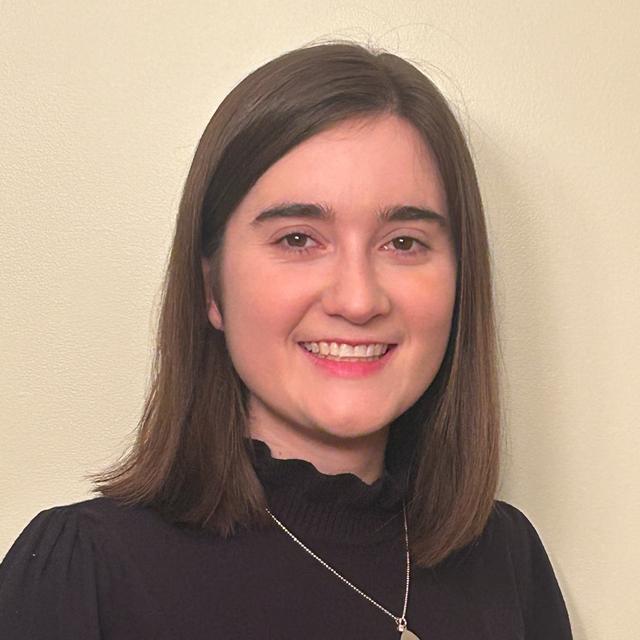 Caroline KarbowskiOrientation & Mobility SpecialistPerkins School for the Blind
Caroline Karbowski is a passionate innovator, problem solver, and community builder. She is a Certified Orientation and Mobility Specialist (COMS) at Perkins School for the Blind, and she is pursuing a Graduate Certificate in Assistive Technology for Individuals with Visual Impairments at UMass Boston. She is a two-time Buckeye, having received an MA in Sensory Impairments & Inclusion, and a BS in biology with minors in chemistry and American Sign Language from The Ohio State University (OSU). Before graduate school, she worked as a biochemistry Research Assistant at OSU where she studied protein structures and created a science lab accessibility video series. Even though she is sighted, she decided to teach herself braille in middle school so she could read books in the car without getting carsick, and that passion for braille led to the creation of See3D, Inc., a nonprofit that organizes the printing and distribution of 3D printed models for blind and low vision people, and A Cubed Design, a startup developing a low-cost and repairable braille display. She is the recipient of the 2022 Dr. Jacob Bolotin Award, a certified literary braille transcriber, and enjoyer of choir and ballroom dance. Caroline’s favorite topics include 3D printing accessibility, tactile literacy, science accessibility, and tactile maps, so don’t hesitate to reach out and connect!
Widen the range of accessible tools for a better inclusion process for children with special needs
The concept of "School for All," supported by UNESCO's Jomtien (1990) and Salamanca (1994) Declarations, remains a challenge for 21st-century education. A pilot study in post-pandemic Romanian inclusive schools involving 49 experts highlighted key challenges in the inclusion process: - SEN students struggle to meet national curriculum demands, creating barriers to inclusion. - Curriculum flexibility, while allowed, is challenging to implement effectively. - Curriculum adaptation, though essential for personalized learning, becomes a barrier when resources are lacking. A narrow focus on content modification rather than addressing specific developmental needs of SEN students is a recurring issue. The workshop, a platform for collective learning, invites participants to delve into the challenges of inclusive education, share their experiences, and collectively identify solutions. The TactileImages platform offers curricular flexibility and tools for inclusion, remote teaching, and telepractice. It is an open-access resource that empowers educators to create personalized, multisensory educational materials (tactile, auditory, visual, etc.). Research (Patrascoiu et al., 2022) demonstrates that Tactile Images positively impact learning for children with ASD and ADHD, enhancing focus, spatial orientation, and visuospatial perception. Over the past three years, Tactile images have been used in a pedagogical project with the University of Bucharest, integrating tactile graphics into digital storytelling to support diverse learning needs. The TactileImages platform is a tool that includes the Image Creator, a feature that converts images into tactile, audio-described graphics, accessible via mobile apps or QR codes. It also features a Drawing Tool for creating visuals and an Editor for adding text descriptions. Participants will explore the platform and create their materials using the tools provided, with the workshop concluding in a presentation and feedback session.
-
 Dan PatzeltFounder(TactileImages)
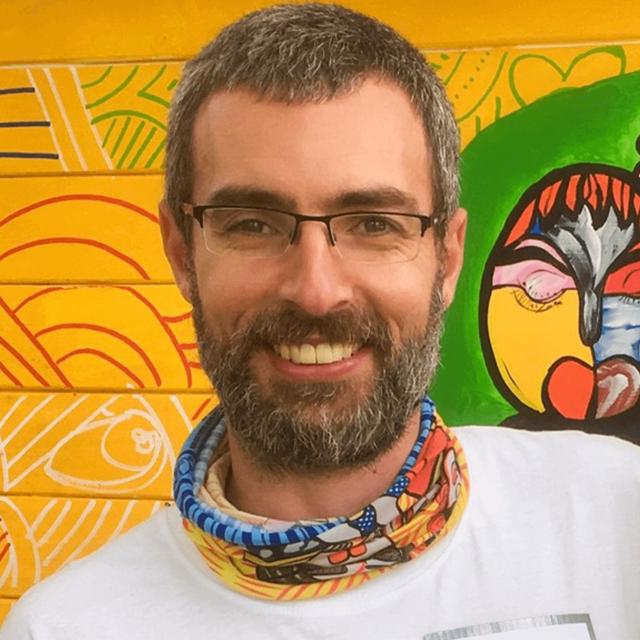 Dan PatzeltFounderTactileImages
I am a social activist who has been fighting for 17 years to improve the quality of life of my fellow human beings.
For over 12 years, I have been fighting to increase the learning speed of the blind and deaf people globally by giving them independence in the learning process.
Interactive workshops (3 sessions of 45 mins each)
‘Draw Along’: Experience your own tactile drawing skills!
Drawing strengthens concept development and self-expression. However, many blind students are not given the opportunity to experience drawing, often because their teachers may not know how to incorporate drawing or what tools to use. However, when they get older, they are confronted with all kinds of skills for wich learning to draw at a younger age can be a precondition, for example understanding maps or tactile drawings at school. With 'Draw Along' we have developed a learning path in which blind students learn to draw systematically, on both technical and creative skills. In this workshop we will tell you more about the background of ‘Draw Along’, the different drawing area’s and the skills children need to develop to draw by touch. In several activities you can experience yourself how it is to draw with your sense of touch and the different perception you maybe use in tactile drawing in comparison with visual drawing. There is room to explore the materials that belong to the learning path. And last but not least there is room to exhange best practices, experiences and insights with the whole group. And don’t forget: drawing is fun!
-
Chantal te BoekhorstBraille teacher and tactile trainer, itinerant teacher(Royal Dutch Visio)
Chantal te BoekhorstBraille teacher and tactile trainer, itinerant teacherRoyal Dutch Visio
-
Noortje OpsteeghArts and Craft teacher(Royal Dutch Visio)
Noortje OpsteeghArts and Craft teacherRoyal Dutch Visio
-
 Miranda ZwijgersOccupational Therapist(Royal Dutch Visio)
 Miranda ZwijgersOccupational TherapistRoyal Dutch Visio
I am an occupational therapist since 2001 and working for the Royal Dutch Visio since 2010. Started in Amsterdam I am know working for the Rehabilitation & Advice location in Rotterdam. I see as well children from 0-18 as people with visual and intellectual disabilities from 0 - 99+.
Recently I finished a master in Occupational Science and my Master's Thesis was focused on the occupational transitions for adults with the Usher syndrome type 2.
Over the years at Visio my expertise developed towards the topics sensory processing in relation to CVI and the use of touch, especially with children who are experiencing severe sightloss.
PreFigure for creating tactile mathematical diagrams
PreFigure allows authors to produce accessible mathematical diagrams in several formats from a common source. In particular, PreFigure is capable of producing high-quality tactile diagrams. This workshop will introduce participants to PreFigure and provide experience in creating mathematical images for sighted readers as well as tactile diagrams.
-
David AustinUniversity Professor(Grand Valley State University)
David AustinUniversity ProfessorGrand Valley State University
David is a professor of mathematics at Grand Valley State University in west Michigan. He is the author of the open-access textbook Understanding Linear Algebra and currently serves as the director of the Open Textbook Initiative, sponsored by the American Institute of Mathematics. He is also the lead developer of PreFigure, an open-source software project that helps authors create accessible mathematical diagrams.
-
Alexei KolesnikovProfessor of Mathematics(Towson University)
Alexei KolesnikovProfessor of MathematicsTowson University
Alexei is a Professor of Mathematics at Towson University in Baltimore. He is interested in providing freely available automated tools for producing tactile versions of college-level mathematics materials.
He led the "Raised Mathematics" project supported by the National Federation of the Blind and the American Institute of Mathematics. The project has resulted in a developed capability to automatically transcribe college mathematics textbooks, written in PreTeXt markup, into Braille. Alexei is a minor contributor to the PreFigure project.
Tactile music
1. Tactile music token.
Early exposing children for musical notations. Tactile and visual music tokens with braille music signs, to support music education in early stages.
2. Tactile guitar:
A guitar shaped tactile book containing the mostly used guitar chords. One intention is to use it in the classroom to include the visual impaired child. With the book you can practice at home, even if you do not own a guitar.
-
Tor Sivert GunnesMusic dep. for visually impaired(Statped)
Tor Sivert GunnesMusic dep. for visually impairedStatped
Tor Sivert has been working on music in Statped (Norwegian directorate for specially adapted education) for 6 years. Before that he has been working as a music teacher in different schools and constellations.
In Statped he is transcribing music books and scores to braille music. He is also teaching teachers and pupils in braille music. A part of his job is also to develop teaching material in music for blind and visually impaired.
-
Kaia OdegaardSenior Advisor and Illustrator(STATPED)
Kaia OdegaardSenior Advisor and IllustratorSTATPED
Working as a tactile designer/illustrator at Statped/Norway since 2024
Background:
- Over 20 years of experience in illustration and educational resource design
- Teaching experience within arts and crafts
- Media production manager in higher education
I am particularly interested in finding flexible solutions to tactile challenges by experimenting with various materials and exploring educational tools that bridge the gap between digital and physical formats. I am curious about how to connect tactile illustrations with digital solutions and how to incorporate multiple senses into the learning experience.
Oral presentations (2x) - Atriumzaal day 2 round 2 (CHOOSE BOTH)
The role of shape sounds in tactile shape recognition
Does sound improve the proficiency of haptic touch in recognising tactile information? Haptic touch mixes up about 70% of tactile two-dimensional (2D) angles and curves, which makes it difficult for people to recognise even the most common shapes, for example, a tactile illustration of the Pythagorean triangle. And life-saving information too; like poisonous, flammable, and fire evacuation route. Two quantitative studies will be presented in which “shape sounds” were played alongside tactile 2D shapes and shape features (i.e., angles and curves). Both studies were designed as within-group experiments with two conditions; that is, the tactile and auditory information being either congruous or incongruous (e.g., curve shape plus curve sound and curve shape plus angle sound) presented in random order. There were two groups of participants: one (congenitally blind) was experienced in using haptic touch (N 12 and N 13, respectively) and one (fully sighted blindfolded) was not (N 12 and N 12, respectively). All participants had normal/corrected to normal hearing and no cognitive delay or impairment, nor any physical disabilities. The tactile shapes were presented on swell paper and the “shape sounds”, created using a sine-wave generator and pitch bend, were presented via an MP3 player. Curve sounds mimicked the melody of the spoken word “bouba” and angle sounds mimicked “kiki”. In the first study the participants were asked to name the tactile-auditory shapes as either “bouba” or “kiki” and in the second study to name the tactile shapes (without a forced choice). The first study found that the shape sounds improved the recognition accuracy when inexperienced in using haptic touch, but not when experienced; however, the second study found improvement in accuracy regardless of experience and in speed only when experienced. We suggest that people who rely on haptic touch integrate tactile and auditory information when it helps them recognise the tactile 2D information.
-
Torø GravenResearcher(University of Oxford)
Torø GravenResearcherUniversity of Oxford
Anchored in Psychology and Special Needs Education, my research focuses on understanding how people who rely on active (haptic) touch perceive and process information, and how this is affected by vision and hearing. Using this knowledge to develop new teaching methods and teaching materials in schools and universities, re/habilitation programmes, and informal education, I aim to empower haptic touch, hearing, or both in supporting or replacing an impaired vision, for example, in memory retrieval and shape recognition.
I use both quantitative and qualitative research methods – combining speed, accuracy, drawing, and/or think-aloud data – and have developed research methodology for identifying problem-solving strategies (qual-quan) and the effect of previous sensory experience and learning (quantitative). I have also started tracking the exploring movements and exploring pressures of haptic touch (quantitative research method) using a prototype TouchTracker.
Blog: SmartSense – https://blogs.ed.ac.uk/smartsense/
Podcast: The Oxford Sound Album – https://podcasts.ox.ac.uk/series/oxford-sound-album and blog post https://www.torch.ox.ac.uk/article/the-oxford-sound-album-how-it-started
Publications:https://orcid.org/0000-0002-4524-3431and https://www.cristin.no/
!!! New paper: Hearing the city without vision: An exploratory study https://doi.org/10.1177/02646196251330184
Refreshable Tactile Displays
Refreshable Tactile Displays have the potential to disrupt the touch reading landscape, transforming the way that we produce, distribute and access braille and tactile graphics. However, they also offer a design challenge, with our existing guidelines on tactile graphics needing significant revision and expansion. Drawing on their research and community collaboration in accessible graphics, inclusive data experiences, and understanding user experiences, Monash University's Inclusive Technologies team is researching the use of Refreshable Tactile Displays. In this presentation, we will discuss the Grand Challenges for research into Refreshable Tactile Displays so that we can better understand how to use and design Refreshable Tactile Displays. Further, we will share the findings from our own research in this area: exploring the use of Refreshable Tactile Graphics for tactile animations or sequences and data visualisation; studying hand movements and preferred modes of interaction; and pairing Refreshable Tactile Displays with conversational agents for enhanced usability and understanding.
-
Leona HollowayResearch Fellow(Monash University)
Leona HollowayResearch FellowMonash University
Leona is a Research Fellow with the Inclusive Technologies team in the Faculty of Information Technology at Monash University. Drawing on her background as a braille and tactile graphics transcriber, Leona’s work focuses on the use of new (and old) technologies for access to graphics by people who are blind or have low vision.
Leona is the Chair of the Australia and New Zealand Accessible Graphics Group (ANZAGG) and serves as the Community Impact pillar lead for the Monash Assistive Technology & Society (MATS) Centre.
Leona's work on 3D printing for accessibility was featured on Australia's ABC news and earned her the 2025 ACM SIGCHI Dissertation Award.
Oral presentations (2x) - Grote zaal day 2 round 2 (CHOOSE BOTH)
With dots and lines to Braille and print:
In cooperation between the Heidelberg University of Education and the Bern University of the Arts, an inclusive learning material was developed and evaluated that simultaneously prepares children with and without blindness and visual impairment for the acquisition of literacy. The material consists of a total of 9 interactive reading books, which contain a variety of tactile and visual stimuli. Children of pre-school age are introduced to the world of textures, shapes, letters and words in a playful way. The lecture will present the concept and objectives of the learning material as well as the content and formal criteria and the evaluation results. In addition, possibilities for practical use will be demonstrated.
-
Markus LangProfessor of Special Needs Education in the context of Blindness and Visual Impairment(Heidelberg University of Education)
Markus LangProfessor of Special Needs Education in the context of Blindness and Visual ImpairmentHeidelberg University of Education
Markus Lang is Professor of Special Needs Education in the context of Blindness and Visual Impairment (Heidelberg University of Education).
Studies
- University of Education Schwäbisch Gmünd (1989-1992): Teaching degree for primary and lower secondary schools (specialising in history, German, music)
- Heidelberg University of Education (1992-1994): Teaching degree in special needs education (specialism: Education in the context of Blindness and Visual Impairment)
Doctorate (1999-2002)
- Dissertation on “The promotion of haptic perception to prepare blind children for the acquisition of Braille”
Employment
- Teacher in Special Needs Education at the Schloss-Schule Ilvesheim (School for the Blind and Visually Impaired) (1996-1999 and 2002-2005)
- Substitute Professor of Special Needs Education in the context of Blindness and Visual Impairment at the Heidelberg University of Education (2005-2012)
- Professor of Special Needs Education in the context of Blindness and Visual Impairment at the Heidelberg University of Education (since 2013)
-
 Fabienne MeyerTeam member PPKS(PPKS)
 Fabienne MeyerTeam member PPKSPPKS
When Fabienne Meyer worked as a Visual Designer (FH) and artistic researcher at the Institute of Design Research at Bern University of the Arts, she co-founded the international research project Punkt, Punkt, Komma, Strich, to introduce written language acquisition for blind pre-school children as well as children with and without visual impairments. She is also a founding member of the non-profit association PPKS.
Currently she is working in an inclusive learning project for young people located in West Wales, which she co-founded. With a holistic approach to education, nurturing and empower young people within a nature-rich environment to thrive and reach their full potential.
Digital Publishing of Braille Standards: An Effective Approach
An Effective Approach The Norwegian Braille Authority presents a new method for publishing braille standards digitally on our website using HTML format. To display braille on screen, we utilize the Unicode block for braille patterns. This required the creation of a custom font that effectively represents braille. We chose a font with shadow dots to help sighted individuals distinguish raised and unraised dots within braille cells. All known screen readers support Unicode braille, allowing users of screen readers and braille displays to read the braille characters seamlessly. Previously available braille fonts lacked definitions for the Unicode braille block. Instead, the braille fonts defend letters and some symbols with associated braille patterns. By using the Unicode braille block we ensure that readers, regardless of nationality or braille table will read the correct braille patterns. We extend our gratitude to programmer Jan Martin Kvile for developing new fonts for both 6-dot and 8-dot braille. Our standards originate from Word documents where braille is represented using a font for 6-dot braille for common letters and symbols. We developed scripts to convert these documents to HTML, replacing these letters and symbols with characters from the Unicode braille block. We believe this approach is effective for publishing our standards as it makes them searchable online and easily readable for both braille users and sighted readers. Prior to the conference, we plan to publish the scripts and documentation of our workflow to benefit others. Examples of our work (in Norwegian) is found on our website at "Norske punktskriftstandarder"
-
 Lars Bjørndalsenior adviser at Statped(Norwegian Braille Authoroty)
 Lars Bjørndalsenior adviser at StatpedNorwegian Braille Authoroty
Lars was born blind and has used braille since childhood. He is a trained church musician with a background in pedagogy. Currently, he works as a senior advisor at Statped, the Norwegian Directorate for Specially Adapted Education. He has been a member of the Norwegian Braille Authority for over ten years.
Lars has extensive experience in converting digital text to braille, and at Statped, his expertise lies in technology for braille users.
-
 Rolf Arne MellemSenior Advisor in accessibility(MediaLT)
 Rolf Arne MellemSenior Advisor in accessibilityMediaLT
Rolf Arne brings over three decades of expertise in braille and assistive technologies, working with tools such as braille embossers and braille displays since 1992.
He has been a member of the Norwegian Braille Authority since 2012 and currently serves as a web accessibility expert at MediaLT, helping to make digital solutions more inclusive for all.
Oral presentations (2x) - Kleine zaal day 2 round 2 (CHOOSE BOTH)
3D printed tactile sign language alphabet
People with dual hearing and vision loss often need tactile sign language, but accessible learning materials are scarce, limiting independent study. To address this, we 3D-scanned and printed the Norwegian two-hand alphabet for tactile education. We will share methods for scanning, preparing printable files, choosing materials, and discuss pedagogical applications. Our models will be freely available, and our method can be used by others to develop similar educational material.
-
 Rolf MjønesResearch Audiologist(Eikholt national centre)
 Rolf MjønesResearch AudiologistEikholt national centre
Rolf Mjønes is an audiologist that wrote his thesis on auditory processing disorders. He is a hearing aid user and has hearing rehabilitation as his professional interest, which he combines with a personal interest in new technology at his position as a research audiologist at Eikholt National Center for the Deafblind. He has given many lectures on topics such as audiovisual speech perception and combined sensory loss for various academic and educational institutions and conferences related to the field of audiology.
Literacy Without Limits: Strategies for Students with Visual and Multiple Disabilities
Access to literacy is a fundamental right for all children, and this session will highlight what literacy and "tactile reading" might look like for students who have multiple disabilities and visual impairments. Diverse and multi-modal tactile literacy modes, such as story boxes, real objects, braille, and dual media modes, will be explored that meet each child’s sensory needs to support communication and concept development. This session will share evidence-based practices, tools, environmental modifications, and assessments to help determine the most effective literacy approaches.
-
 Samantha EyleyTVI, COMS, Program Manager(Perkins School for the Blind)
 Samantha EyleyTVI, COMS, Program ManagerPerkins School for the Blind
Samantha is a Teacher of Students with Visual Impairments and a Certified Orientation and Mobility Specialist. She received her Bachelor’s degree in Visual Disabilities Education and her Master’s degree in Curriculum and Instruction, with a focus on Special Education and Visual Impairments, both from Florida State University. Currently, she is pursuing a Doctoral degree in Educational Leadership and Administration at Boston College.
With a decade of experience, Samantha has taught students ages 3 to 22 in a variety of programs. Her career has centered on providing literacy instruction and technology skills for learners of all ages. More recently, she has transitioned to supporting teachers worldwide. As the Program Manager of the Educational Leadership Program at Perkins International, she focuses on training educators around the globe in best practices for working with students who have disabilities.
Table Talks | Tuesday | Round 2
Akward. What are they talking about.
Young people without disabilities often struggle to access reliable information about healthy relationships and sexuality, according to several studies. Imagine the challenges faced by visually impaired youth. They can’t casually glance at someone’s body or access visual materials like pornography, yet they are still exposed to conversations about these topics in their surroundings. How can we ensure they have access to a variety of tactile objects and illustrations that help them navigate this complex part of life? We invite you to explore this often-overlooked aspect of human development. What 3D objects and 2D tactile illustrations could be useful in providing information? Furthermore, do they offer the same or even enhanced value when used together? How can we prevent misconceptions that might lead to negative or traumatic experiences? Is there a need for specialized materials to bridge the information gap for visually impaired young people and students? Moreover, could audio content enhance their experience while they explore these tactile objects? There are endless possibilities to consider. Indeed, this topic can be sensitive, but it’s something everyone encounters eventually. In view of healthy development it’s important to discuss the subject openly. If you’re willing, I would be happy to invite you to feel the objects and illustrations for yourself. Does that make you feel uncomfortable? Perhaps that’s where the real conversation begins. Drs. Yolanda Eys, Visio Secondary Special Education Amsterdam, The Netherlands
-
Irina CirpusTeacher (MSc MSEd) at Visio Secondary Special Education(Royal Dutch Visio)
Irina CirpusTeacher (MSc MSEd) at Visio Secondary Special EducationRoyal Dutch Visio
I studied microbiology and biochemistry at Philipps-Universität Marburg (D). In Marburg the white cane is omnipresent. Nowadays I teach biology and chemistry at a school for visually impaired pupils in Rotterdam (NL). Teachers from regular school can contact me or my colleagues when support teaching a vi-pupil is wanted. helpdeskscheikunde@visio.org helpdeskbiologie@visio.org
-
Yolanda Eysteacher (Secondary Special Education)(Royal Dutch Visio)
Yolanda Eysteacher (Secondary Special Education)Royal Dutch Visio
Discussing your needs in creating instant raised line drawings by hand
The TactiPad drawing board is on the market for some time now.
Over the years extensions like GraphGrid, CircleFrame, TactiForma and motorised drawing arm (MDA) have become available.
All targeted to increase the fun factor for the users as an important motivator to gain or increase drawing skills and to perform specific (educational) tasks in a fast and efficient manner.
Also, being able to create a raised line drawing as a visual impaired person will increase the ability to explore faster and understand better tactile graphics made by others.
Although we designed the products based on conversations we had over the years and also on Jaaps experience as a blind user and designer we would like to share ideas with you about:
- The use of inline versus outline tools.
- Specific content you would like to create for educational domains.
- Teaching about 3d figures and perspective.
- Which type of training material suits you best?
Visit us also on the exhibition floor for a personal demonstration and check our website for product descriptions and manuals www.thinkable.nl
-
 Jaap BreiderOwner / product designer(Thinakble)
 Jaap BreiderOwner / product designerThinakble
word geschreven.
Let’s set an end to the Tactile Images Famin
Hoëlle Corvest after a long career in the Musée des Sciences in Paris set up the foundation DUGTA, to continue advising on tactile editions and training all involved (designers, tactile readers, intermediaries). Touching objects in museums is mostly forbidden and there rarely are good quality models or replica’s to compensate for this. Thus tactile images with proper explanation are an indispensable means to give people with a visual impairment access to art, culture and science. Hoëlle is presently working with a group of experts on a project realizing 300 tactile and high contrast images together with key information unlocking the history of art of all times and from all over the world. A QR code on the tactile or high contrast image leads to online information about techniques, art styles, artists, the works of art themselves and the filosofy behind them. Hoëlles aims are: 1) making key knowledge available that gives visually impaired people full access to art, culture and science, 2) training all involved in the making and use of these tactile images, 3) making high quality tactile and high contrast images common. Cost reduction is necessary. Making molds is expensive. Large print runs diminish the cost price for a copy tremendously. Internationalization can help realize this. The online text can easily be translated. In the tactile images is almost no braille (and only lower case letters). Up to these days, there is a tactile image famin! Let’s make an end to it.
-
Hoëlle Corvest-Morelcounselor and trainer(DUGTA)
Hoëlle Corvest-Morelcounselor and trainerDUGTA
Hoëlle Corvest-Morel worked for 30 years at the Cité des Sciences et de l'Industrie in Paris, making the exhibitions accessible to blind and visually impaired visitors. Blind herself, she understands the limits of museum experiences, where it is forbidden to touch anything. She pioneered the use of relief drawings and tactile/audio books to make art and science truly accessible. Today, through her DUGTA Foundation, she continues to train, advise and advocate inclusive museum experiences for people with visual impairments.
Interactive workshops (3 sessions of 45 mins each)
Learning Braille Through Technology
In this workshop, we’ll explore the evolution of braille learning tools: from BrailleStudio and BraillePi to the new iPhone app Louis, which uses VoiceOver and Braille display integration. We’ll show how mobile devices can replace traditional laptops, making braille education more flexible and accessible. You’ll also learn about app distribution through TestFlight and the App Store.
A special focus will be on the future possibilities with Artificial Intelligence —such as AI-generated voices, personalized feedback, and smart progress tracking—that will further enhance learning. We invite you to join our test team and help shape the next generation of accessible education tools, empowering students with visual impairments around the world.
-
 Eric de QuartelTeacher, Developer(Bartiméus)
 Eric de QuartelTeacher, DeveloperBartiméus
Eric has been working at Bartiméus Education for 27 years, where he is dedicated to developing innovative solutions to provide students with visual impairments equal educational opportunities. He has initiated and implemented various ICT projects, including the development of BrailleStudio, a digital tool for learning braille. In addition, he designed adapted biology and gardening practice lessons and developed a special garden that allows students with visual impairments to explore and use it independently.
Eric’s driving force is to make education inclusive and accessible, using technology as a bridge to foster independence and participation.
Playing and learning inclusively: Discovering the world of letters with Alex and Lilani
The learning material ‘Dot by dot: Alex and Lilani discover the world of letters’, developed in a joint project between the Bern University of the Arts and the Heidelberg University of Education, prepares children with blindness as well as children with and without visual impairments specifically and inclusively for learning to read Braille or print. In addition to this, there are now a number of inclusive games that initiate new learning opportunities. The workshop offers the opportunity to try out the learning materials and games in practice.
-
Fabienne MeyerTeam member PPKS(PPKS)
Fabienne MeyerTeam member PPKSPPKS
When Fabienne Meyer worked as a Visual Designer (FH) and artistic researcher at the Institute of Design Research at Bern University of the Arts, she co-founded the international research project Punkt, Punkt, Komma, Strich, to introduce written language acquisition for blind pre-school children as well as children with and without visual impairments. She is also a founding member of the non-profit association PPKS.
Currently she is working in an inclusive learning project for young people located in West Wales, which she co-founded. With a holistic approach to education, nurturing and empower young people within a nature-rich environment to thrive and reach their full potential.
-
 Andréas NetthoevelProfessor for communication design(Institute of design research IDR, University of the Arts Bern)
 Andréas NetthoevelProfessor for communication designInstitute of design research IDR, University of the Arts Bern
Andréas Netthoevel is Professor of Communication Design at the Bern University of the Arts and a member of the research team at the Institute of Design Research, where he co-initiated the international research project Punkt, Punkt, Komma, Strich, which introduces sighted and visually impaired people to written language acquisition together.
He is also co-owner of studio for communication design 2. stock süd in Biel (CH) and is a founding member of the non-profit association Punkt, Punkt, Komma, Strich. Netthoevel is a member of Alliance Graphique Internationale, Art Directors Club Switzerland, Swiss Graphic Designers Association and has received over fifty national and international awards.
The learning path of an a-typical braille student (or is he not that a-typical?).
Sometimes you have a braille student that is struggling to follow the education methods that normally work fine for most of the braille students. They can even be seen as students with intellectual disabilities, especially when they are still young and cannot explain to us why something is so hard for them. In this session we would like to discuss the background of these students that maybe can explain why it is so hard to keep up at school. What kind of diagnostic tools do we use to gather the right information about these students? We like to share this with a case of one student. We will follow his learning path and all the challenges he faced and the solutions we found that were working for him. To make the session more practical, we will take some time to let you think of some of the solutions you would choose. At the end there will be time to exchange your insights and good practices with the whole group in cases like this.
-
 Gyntha GoertzBraille teacher and specialist(Royal Dutch Visio)
 Gyntha GoertzBraille teacher and specialistRoyal Dutch Visio
Gyntha has been working in special education at Visio for 30 years and teaches braille to young pupils and older pupils who had to learn braille at a later age.
She is co-author of the Dutch Braille curriculum and of the Dutch braille learning objectives per school year. She has provided training on the didactics of teaching Braille to school teams in various countries.
She has devised a number of tools for initial braille such as the materials: 'From Braille house to Braille letter', a braille letter box, 'Feel your readingbook' and the arithmetic box 'from beadstring to (empty) number line' (to stimulate number sense in young Braille students).
-
 Alice van de KraatsBraille teacher(Royal Dutch Visio)
 Alice van de KraatsBraille teacherRoyal Dutch Visio
I'm Alice van de Kraats, 44 years old. I started in regular education. I worked there as a teacher, remedial teacher and internal supervisor. Then I made the switch to Visio Education. I taught upper grades for 7 years. Since this year I have been giving Braille lessons with great pleasure.
-
Miranda ZwijgersOccupational Therapist(Royal Dutch Visio)
Miranda ZwijgersOccupational TherapistRoyal Dutch Visio
I am an occupational therapist since 2001 and working for the Royal Dutch Visio since 2010. Started in Amsterdam I am know working for the Rehabilitation & Advice location in Rotterdam. I see as well children from 0-18 as people with visual and intellectual disabilities from 0 - 99+.
Recently I finished a master in Occupational Science and my Master's Thesis was focused on the occupational transitions for adults with the Usher syndrome type 2.
Over the years at Visio my expertise developed towards the topics sensory processing in relation to CVI and the use of touch, especially with children who are experiencing severe sightloss.
Open Table Talks | Tuesday | Round 3 (3 sessions of 45 mins)
Innovating Maths
By Mountain Lakes Public Library - Makerspace
Teaching blind people to draw with code
by Marco Salsiccia
Oral presentations (2x) - Atriumzaal day 2 round 3 (CHOOSE BOTH)
Paper versus digital braille
Both paper and digital braille have their own strong and weak points. A blind reader claimed that braille are read slower with refreshable braille displays than with paper because these devices has only one line.
To investigate it we conducted an experiment in which fourteen blind people with various reading speed read braille with paper and braille display. As is expected, reading speeds were slower for all participants with braille display than paper. However, the decrease rates in reading speed differed among the participants: The faster the reading speed, the greater the decrease rate.
-
 Tetsuya WatanabeProfessor(Niigata University)
 Tetsuya WatanabeProfessorNiigata University
Tetsuya received a M.S. degree in Biomedical Engineering in 1993 and a Doctor's degree in Information System Engineering in 2001, both from Hokkaido University, Japan. He was at the National Institute of Vocational Rehabilitation from 1994 to 2001 and the National Institute of Special Needs Education from 2001 to 2009. He is now Professor at Niigata University and doing research in assistive technology for blind and visually impaired people.
His notable achievements include 95Reader, the first Japanese screen reader for Windows, Tamachiyomi, an open data set that explains Kanji, Chinese characters, tmacs, a web-based tactile map automated creation system, and tactile star wheel.
An International Attempt to Sharing Resources forChildren with Visual Impairments
Several Japanese publishers have produced specially designed picture books for toddlers and children with visual impairments with tactile pictures and braille, as well as those with braille added to regular picture books, so that they can enjoy the same picture books as sighted children. However, there are no books that allow visually impaired young children to develop an interest in braille and print letters through touching patterns and playing with them. When we visited a schools for the blind in Germany in May 2024, we were introduced to the series of nine booklets “Join the dots: Alex and Lilani discover the world of letters” developed by the collaborative project, “Punkt, Punkt, Komma, Strich, PPKS" of designers and researchers in the field of education for the children with visual impairment. This is the first inclusive and scientifically proven learning aid that introduces blind pre-school children as well as children without visual impairments to world of letters. We began exploring the possibility of introducing this picture book to Japan, believing it could be a valuable resource for children with visual impairments and shared across cultures. However, it became clear that the Japanese characters are different from the alphabet, so simply replacing the characters would not make the picture book work. We considered two options: (1) to change the design to suit the Japanese characters without changing the concept of the book, (2) to deliver the book in German to Japanese children without changing the design, but with a translation of the story and instructions on how to use it. As a result, we are currently considering the latter option. This is because children with visual impairments need the opportunity to become familiar with braille and alphabet letters, as foreign language activities have been introduced to them starting in third grade since 2020.
-
Mayumi Aoyagi
Mayumi Aoyagi
-
Kozue Handaresearcher(Meiji Gakuin University)
Kozue HandaresearcherMeiji Gakuin University
-
Hisae MiyauchiResearcher(University of Tsukuba, Japan)
Hisae MiyauchiResearcherUniversity of Tsukuba, Japan
Dr. Hisae Miyauchi is an Associate Professor at the University of Tsukuba, Division of Disability Sciences, Japan. She serves as the Principal Investigator for the four-year, Japanese Ministry of Education-funded project, "Inclusive Graphicacy Tools and Techniques for Promoting Access to STEM Education”. The project addresses the global challenge of exclusion of students with blindness from the STEM field, involving researchers with expertise in mathematics and visual impairment from the US, Europe, and Asia.
-
Mayu MoriLecturer(Hiroshima University)
Mayu MoriLecturerHiroshima University
I am a Lecturer in the Teacher Training Course for Special Needs Education, Hiroshima University, Japan.
Oral presentations (2x) - Grote zaal day 2 round 3 (CHOOSE BOTH)
The Sciences of Literacy
This session will provide an overview of current research results on the literacy content knowledge of Teachers of Students with Visual Impairment and what teachers need to know to support literacy development. The presenters will introduce a new paradigm for literacy instruction in braille based on the inseparable nature of braille and literacy and their latest publication, The Sciences of Literacy.
-
 Julie MajzelTeacher of Students with Visual Impairments(Texas School for the Blind and Visually Impaired)
 Julie MajzelTeacher of Students with Visual ImpairmentsTexas School for the Blind and Visually Impaired
Dr. Julie Majzel specializes in Reading, Language, and Literacy and is a certified teacher of students with visual impairments. She is a Curriculum Lead Teacher at Texas School for the Blind and Visually Impaired. Julie is also the co-author of Essential Tools of the Trade: A Guide for Completing Functional Vision, Non-Visual Skills, Learning Media, and Expanded Core Curriculum Evaluations, and primary author of The Sciences of Literacy: What Teachers of Students with Visual Impairment and Orientation and Mobility Specialists Need to Know. On a personal note, Julie is the mother of a daughter who is deafblind. Therefore, her passion for tactile reading is both professional and personal.
-
 Angela Wolf
 Angela Wolf
 serves as the Director of Curriculum at the Texas School for the Blind and Visually Impaired in Austin, TX. Angela is an accomplished educator with over fifteen years of teaching experience in general and special education. She is a Certified Principal as Instructional Leader and is certified in Early childhood through 4th grade education, English as a Second Language (ESL), Special Education, and Teaching Students with Visual Impairments. She was a Dean's Distinguished Graduate in the Liberal Arts Humanities program at the University of Texas at Austin, where she obtained a Bachelors of Arts in Humanities. Angela graduated from the Executive Masters in Public Leadership program at the LBJ School of Public Affairs at UT. She is currently leading a statewide project to develop a valid and reliable assessment tool for the Expanded Core Curriculum (ECC) and created the TEKS to ECC Connection Guide, ECC Plexus, and the Non-Visual Skills Assessment. Angela is a member of the 2024 Texas Governor's Committee on People with Disabilities K-12 Braille Literacy Subcommittee. Her lived experience as a blind person and braille reader fuels her passion for improvements in braille instruction. .
Oral presentations (2x) - Kleine zaal day 2 round 3 (CHOOSE BOTH)
Generating accurate tactile maps with a Geographic Information System
The production of tactile maps for visually impaired people (VIP) has improved over the past decades, but is still constrained by the time and effort required to draw or build each map by hand. This means access to tactile maps is limited and waiting times can span several weeks, whereas sighted people have immediate access to a map on their phone or computer to investigate their surroundings or plan a trip. Our project aims to bridge this gap in access to geographic information between sighted people and VIP’s by utilising specialized geographic information system (GIS) software and cartographic data to generate a map in a few minutes which can be printed on swellpaper. To achieve this goal a multidisciplinary consortium was formed in collaboration with a test panel of visually impaired users. Together they have been developing a usable solution for combining GIS software and cartographic data with a visualisation which can be read by touch. A study was done to decide on a universal map style with easily distinguishable points, lines and areas. This was implemented with a customised map layout for the visually impaired and the possibility for thematic variations was initiated. These developments make it possible to generate accurate tactile maps customized to the users needs, all based on several prompts. This diminishes the time required for drawing the map, greatly improving the production speed of maps. We would like to present how GIS software and cartographic data can be used to make accurate tactile maps more easily and time-efficient. A workshop following the presentation will provide interested parties the opportunity to work with the developed solution, creating a map of their chosen location map with GIS software, based on cartographic data.
-
Julian NautaProductmanager(Dedicon)
Julian NautaProductmanagerDedicon
As product manager of braille books and tactile drawings, I am responsible for the customer research, innovation and development of these products. I do this by working with various internal and external stakeholders and multidisciplinary teams. I conduct customer research and advise the company and management on what is needed to make our products even better suited to our customer's needs.
I have a background in product design and regularly tapp into the principles of design thinking in my work.
Can 3d Printing be Done Independently by a Blind Person
-
Judith DixonRetired from our National Library Service for the Blind and Print Disabled(n/a)
Judith DixonRetired from our National Library Service for the Blind and Print Disabledn/a
Interactive workshops (3 sessions of 45 mins each)
How to use tactile images in preparing a visit to a museum or heritage site.
Tactile images are indispensable to allow people with a visual impairment to form a concise mental representation of what is being described. There is an important condition: all involved must understand the underlying principles. Designers, tactile readers, intermediaries like tour guides, lecturers in museums, educational staff, etcetera: all must ‘speak the same language’. Hoëlle Corvest organized many workshops on making, using and explaining tactile images, often in cooperation with museums or culturally important sites, all over in France. They take place before the guided tour of the exhibition, enabling the key elements of the exhibition theme to be represented in concrete terms. Weaponed with this key knowledge, visually impaired participants can precisely understand the lecturer's or tour guide’s discourse. The workshops are entertaining and informative, providing ‘re-usable’ knowledge. At the same time they help tactile readers to develop a good or better reading strategy. Intermediaries learn how to use the tactile images while explaining, designers learn the needs of tactile readers and intermediaries. Participants often state that the workshop opened a new world for them, a world that obviously open to sighted people, but so far remained closed or vague to them. Hoëlle Corvest has advised on many tactile editions. She will bring some of them and use a selection to make you experience the way she works with them in her workshops.
-
Hoëlle Corvest-Morelcounselor and trainer(DUGTA)
Hoëlle Corvest-Morelcounselor and trainerDUGTA
Hoëlle Corvest-Morel worked for 30 years at the Cité des Sciences et de l'Industrie in Paris, making the exhibitions accessible to blind and visually impaired visitors. Blind herself, she understands the limits of museum experiences, where it is forbidden to touch anything. She pioneered the use of relief drawings and tactile/audio books to make art and science truly accessible. Today, through her DUGTA Foundation, she continues to train, advise and advocate inclusive museum experiences for people with visual impairments.
Teach What You Preach: Inclusive Math Education for Braille Readers
This workshop is part of Touching Maths+, an Erasmus+ project of SPSM (Sweden), Statped (Norway), and Royal Visio (the Netherlands). Our mission is to equip math teachers and Braille professionals with knowledge and skills to improve math proficiency for Braille readers, and ensure better inclusion in mainstream classrooms. In the workshop, we will explore strategies for making math education more accessible to Braille readers using innovative tools, such as a newly designed coordinate system specifically tailored for Braille readers. You will also gain insights into the challenges faced by Braille readers and their teachers, and discover ways to overcome these through reverse adaptations(approaches initially designed for Braille readers and adapted for all students). By the end of this workshop, you will: have a solid understanding of the Touching Maths+ project. know practical techniques for including Braille readers in mainstream math education. have knowledge of key challenges, such as pre-teaching and providing equitable support to all students. The workshop starts with a hands-on math lesson, where participants learn to interpret points and graphs using our innovative coordinate system. Blindfolds are available for sighted participants to experience firsthand the challenges Braille readers face. After the lesson, participants will break into small groups to reflect on the experience and discuss strategies for inclusive education. Key discussion points will include reverse adaptations, lesson planning, and overcoming resource constraints in supporting Braille readers. This workshop is open to anyone interested in math education, whether visually impaired or not. Knowledge of math up to primary school level is sufficient. We welcome professionals, students and other participants alike to join us for an inspiring and practical session. Join us to experience our motto in action: Teach what you preach.
-
Annemiek van Leendertprojectleader, researcher and itinerant teacher(Royal Dutch Visio)
Annemiek van Leendertprojectleader, researcher and itinerant teacherRoyal Dutch Visio
Why do so many Braille readers struggle with mathematics? It’s not due to a lack of talent or interest—but because they are being taught with methods designed for sighted students. Most teachers are rarely equipped with the tools, knowledge, or strategies to effectively teach mathematics to students who rely on Braille. This gap in teacher preparation is a serious barrier to inclusive education - and it is exactly the problem I want to solve.
I have worked at Royal Visio for over 30 years, and I am an expert in mathematics for Braille readers. My passion lies in empowering blind and visually impaired students to reach their full mathematical potential by transforming how we teach them. My PhD focused on how Braille readers can better read and understand algebraic expressions, and I am currently engaged in postdoctoral research on TacTiles—an innovative tactile system designed to support algebra learning through touch. I collaborate closely with Dr. Anna Shvarts of the Freudenthal Institute in the Netherlands.
Woohoo! Come to the Greatest Story Time Show in the World and ever!
Roll up, roll up, take your front row seat as the Greatest Story Time Show in the World is about to start and you are INVITED!
Step this way into a glittery world of fun where the sound of laughter and joy ring out around the world as over 7,000 children engage in an ACCESSIBLE online Literacy Programme: Marvin’s Story Time Show!
Gwynnie-Gwyn-Gwyn, the storyteller, lovable characters and international superstar, Marvin are ready to welcome you!!
I am so excited to present: The Marvin Story Time Show Literacy Programme, techniques, resources and the most incredible positive outcomes for children with VI. Bip-bop, bibbity-bop and groove those moves to the Greatest Story Time Show! Woohoo!
-
 Gwyneth McCormackTeacher of Vision Impairment - Director of Positive Eye(Positive Eye Ltd)
 Gwyneth McCormackTeacher of Vision Impairment - Director of Positive EyePositive Eye Ltd
After many years as a Qualified Teacher of Vision Impairments in the UK, Gwyn founded Positive Eye to provide solution-focused programs, courses, and resources worldwide.
Through Positive Eye Gwyn has been inspiring caregivers and practitioners, while developing their skills, understanding, and strategies, since 2008. Gwyn uses her creativity, and extensive teaching experience to develop sought after and popular programmes.
She uses simple, easy approaches, doable and possible by everyone. Her enthusiasm and passion easily help her to inspire educators to make learning fun and accessible.
By promoting inclusion and engagement, she improves outcomes for children with vision impairments.
Oral presentations (2x) - Atriumzaal day 2 round 4 (CHOOSE BOTH)
Quality of Life for Braille users: report from a review
This presentation will provide the results of a scoping review that set out to uncover a) if there is a valid and reliable measure of braille literacy, and b) if braille literacy is linked to QoL outcomes.
In total, 46 papers were included in the review. Three major themes were induced: the components of braille literacy, teaching and learning and quality of life. There were no valid measures to assess braille literacy in the literature.
Some studies indicate braille literacy may impact life outcomes however a validated tool for measuring QoL of braille users was not found.
-
 Aasha RosePhD student(University of Southern Queensland)
 Aasha RosePhD studentUniversity of Southern Queensland
Aasha started her PhD journey at the University of Southern Queensland in 2024, driven by a passion for advancing educational opportunities for people with blindness and low vision. Her research focuses on exploring quality of life for braille users.
With over 20 years as a dedicated educator, Aasha has witnessed the success of and barriers to inclusive education. Throughout her career she has championed the use of evidence based practices to support students with blindness and low vision.
However, she has often encountered a lack of high quality, robust literature and Aasha aims to bridge this gap by contributing new, rigorous knowledge to the field.
Raised pattern enumeration by active touch
Braille cells’ meaning lies in two primary dimensions: the number and configuration of the raised dots. Non-readers of braille have sensitive finger pads and precise motor control of the hands and fingers. Given a task of extracting dot number (how many? Or which array has more?) from encounters with arrays of braille-like dots, how accurate is a total novice? We report a series of experiments that indicate that, as in vision, enumeration occurs more than one way and is sometimes (but not always) distorted by irrelevant sensory, cognitive and motor factors. The data are of relevance to theories of numerical cognition, but they may have application to reading text, decoding diagrams, and structuring maps for haptics.
-
 Barry HughesScientist(University of Auckland)
 Barry HughesScientistUniversity of Auckland
I am a cognitive scientist with a long-standing research interest in haptic and tactile perception, cognition and action, especially as they apply to those with severe visual impairment. For forty years I have been fortunate to work with scholars and scientists who share these interests, and with students who overcome their unfamiliarity and discover the power and mystery of touch.
Oral presentations (2x) - Grote zaal day 2 round 4 (CHOOSE BOTH)
Art at your Fingertips
Imagine discovering a painting not through sight, but through touch. Feeling its composition, understanding its forms — Art at your fingertips.
With a TactPlus printer, I create booklets in sync with current exhibitions. Used in interactive workshops combining tactile exploration and rich verbal narration, these 3D images foster vivid mental representations. More than tools, these booklets are gateways to immersive learning, enhancing both understanding and emotional connection.
I invite museums, curators, educators and mediators to discover this efficient and inclusive tool for experiencing art, which enables blind and visually impaired visitors access the living rhythm of cultural life.
-
 Corine GironGraphic and podcast designer(Un Regard pour l'Art)
 Corine GironGraphic and podcast designerUn Regard pour l'Art
Art historian trained at the École du Louvre, I create accessible art content for blind and visually impaired audiences. As a volunteer for the association Un Regard pour Toi, I give audio-described talks and produce podcasts accessible to a broader audience.
In September 2021, a key encounter with Hoëlle Corvest led me to create tactile images, first with a Piaf machine, then with a TactPlus one. Under Un Regard pour l’Art, I now design detailed tactile booklets to convey the spirit of exhibitions and animate group sessions of tactile reading images. Through touch and storytelling, I aim to open new, inclusive ways of experiencing art.
Oral presentations (2x) - Kleine zaal day 2 round 4 (CHOOSE BOTH)
The Mythical Holy Braille Is Now A Reality
For over 30 years, the blindness community has sought the "Holy Braille": a dynamic tactile display that integrates multiline braille and tactile graphics. Traditionally, braille readers faced a choice between hard-copy braille, which supports multi-line reading but is cumbersome, or single-line displays that limit reading and create negative habits due to constant panning. The Monarch tactile display, developed by the American Printing House for the Blind (APH), HumanWare, and the National Federation of the Blind (NFB), finally bridges this gap. At this conference, attendees will experience how the Monarch revolutionizes braille reading. With 10 lines of 32 braille characters and simultaneous tactile graphic display, the Monarch allows users to engage with complex materials, like tables, charts, and equations, in ways previously impossible. The Monarch not only supports literacy and education but also includes tools like a tactile graphing calculator, document editing, and access to APH’s Tactile Graphics Image Library, offering thousands of tactile graphics instantly. This makes it invaluable for classrooms, professional work, and daily life. Designed for portability, the Monarch is the size of a 15-inch laptop, with an 8-dot braille keyboard and HDMI connectivity for a visual display. The device supports the new eBraille standard, enabling efficient navigation and real-time interaction with digital content, moving braille literacy into the future. Attendees will have a hands-on opportunity to explore the Monarch’s features and see how it’s set to transform braille education and tactile learning worldwide. They will witness how braille is set to become more common, dynamic, and interactive.
-
 greg StilsonHead Of Global Technology Innovation(American Printing House for the Blind (APH))
 greg StilsonHead Of Global Technology InnovationAmerican Printing House for the Blind (APH)
Greg Stilson has been building technology solutions for those who are blind or low vision for the past nearly 20 years. While at HumanWare, a leading assistive technology manufacturer, Greg lead the development of such products as the BrailleNote Touch braille tablet, Trekker Breeze talking GPS device, Brailliant braille displays, and VictorReader accessible audio book devices, among others. He spent two years with a startup company Aira, developing the Aira app and smart glasses platform, to create access to on-demand visual information.
In 2020 he joined APH to further develop access solutions for those who are blind at all stages of life, from education to leisure, culminating in the launch of the Monarch in 2024 as a first of its kind all-in-one tactile display.
TactiDigit'ART: accessible art-historical approach to constructing and reading tactile images.
Access to art for the visually impaired remains limited, often relying on verbal or written descriptions. The Tactidigi-Art Project explores innovative accessibility solutions, including tactile and linguistic tools. Our study examines the impact of such a device on understanding complex images, focusing on the Paris 2024 Olympic and Paralympic Games. Using Mayer's multimedia learning theory adapted to tactile perception, we conducted workshops with visually impaired adults (25–60 years). Through focus groups and interviews, we analyze interactions, offering insights into enhancing access to complex artistic content.
-
 Agnès Piquard-KipfferAssociate Professor(INSEI)
 Agnès Piquard-KipfferAssociate ProfessorINSEI
Agnès Piquard-Kipffer specializes in the study of multimodal language processes in inclusive education. She is an Associate Professor in Language Sciences at INSEI. Her previous affiliation with Loria (Inria, CNRS, UMR 7503) highlights her interdisciplinary approach, bridging linguistics, psychology, and computational sciences. Accredited by INSEI’s UNESCO Chair in Disability, Education, and Digital Technologies, she also collaborates internationally as an associate researcher at UFHB Abidjan, Republic of Côte d'Ivoire.
Additionally, her expertise in speech therapy and modern language teaching reinforces her applied research in language acquisition and accessibility. She is the co-author of language disorders tests.
Atriumzaal day 3 round 1 (CHOOSE BOTH)
Analysis of Braille Reading Fluency
For blind people to be motivated to engage with tactile literacy, reading braille must feel easy and enjoyable. The paper provides an integrated analysis of braille fluency for blind people, discussing the cognitive processes involved in Braille reading, factors influencing fluency, and the impact of educational strategies and technological interventions. It emphasizes the importance of early exposure to braille, quality instruction, and motivation in developing fluency. The paper also summarises techniques for measuring braille reading fluency, highlighting the challenges and suggesting potential solutions. Technological aids like refreshable Braille displays and learning apps are noted for their role in enhancing literacy. The paper concludes with recommendations for future research and educational practices to support Braille readers.
-
Sonja SchmidtTrainer for Braille teachers in the German Federation of the Blind and Partially Sighted(Deutscher Blinden und Sehbehindertenverband (DBSV))
Sonja SchmidtTrainer for Braille teachers in the German Federation of the Blind and Partially SightedDeutscher Blinden und Sehbehindertenverband (DBSV)
Since 2022, I have been working for the German Federation of the Blind and Partially Sighted. We're currently building a nation-wide network of trained Braille teachers for adults.
As I am blind myself, I have been using Braille from a young age, and it's an honour for me to be able to make this important script accessible to more people in my country. -
 Dave WilliamsInclusive Design(RNIB)
 Dave WilliamsInclusive DesignRNIB
By working with RNIB, Braillists Foundation, DAISY, EBU Braille Working Group and ICEB I promote potential of blind and partially sighted people by developing accessible technology products and community media content.
Professional background in audio production, media relations, agile design and product testing.
I draw on lived experience as a blind parent, Six Star Marathon finisher and award-winning volunteer to promote blind people as full and active contributors at home, school, work and in the wider community.
Teaching Braille to Adults
Both the National Organization of Spanish Blind Persons (ONCE) and the German Federation of the Blind and Partially Sighted (DBSV), are committed to addressing the personal and professional needs of citizens with visual impairments by offering a range of social services. A particular area of concern is the support provided to adults who are either born blind or who progressively lose their eyesight. One essencial service that promotes their autonomy is to provide them with opportunities to read and write Braille: Research has shown that Braille literacy significantly enhances the quality of life for blind individuals. However, efforts to teach braille are often focused on children, whereas there are neither specialised learning methods nor a sufficient number of Braille teachers dedicated to working with adults with blindness, visual impairment or vision loss. In this presentation, we aim to elaborate on the strategies that both ONCE and DBSV have implemented to address this gap: on the one hand, new methods for teaching braille to adults are being developed, on the other hand, specialized training materials and programs are being created for Braille teachers who work with adults. In both countries, blind or partially sighted individuals are primarily being trained to strengthen their professional skills, allowing them to specialize in teaching Braille to adults. As a result, Braille students from this demographic will have role models who demonstrate by example that learning Braille is not only achievable but also enjoyable, in addition to the many practical benefits it offers. We will describe our approaches and experiences in this field, comparing and evaluating the measures taken by boht ONCE and DBSV to promote Braille literacy among adults with blindness or vision loss. Finally, we will refer to the key elements that connect our national organizations' initiatives to the goals of our working group on braille in the European Blind Union.
-
Ana González Areán
Ana González Areán
-
Sonja SchmidtTrainer for Braille teachers in the German Federation of the Blind and Partially Sighted(Deutscher Blinden und Sehbehindertenverband (DBSV))
Sonja SchmidtTrainer for Braille teachers in the German Federation of the Blind and Partially SightedDeutscher Blinden und Sehbehindertenverband (DBSV)
Since 2022, I have been working for the German Federation of the Blind and Partially Sighted. We're currently building a nation-wide network of trained Braille teachers for adults.
As I am blind myself, I have been using Braille from a young age, and it's an honour for me to be able to make this important script accessible to more people in my country.
Grote zaal day 3 round 1 (CHOOSE BOTH)
The use of innovative technologies for the creation of accessible materials for VI people
At the Tiflotechnology and Innovation Center (CTI) and ONCE’s Bibliographic Service (SBO), we are committed to the social inclusion of blind and visually impaired individuals through technological innovation. Our work focuses on using advanced technologies like UV ink printing, 3D printing, and laser cutting to create accessible tactile materials. These materials cover many aspects of life for people with severe visual impairments, including culture, leisure, education, personal autonomy, and daily living. UV ink printing allows us to produce high-quality braille and tactile reliefs, improving the readability and durability of the materials. This technology is combined with 3D printing to create detailed tactile models that aid in understanding complex concepts. Additionally, laser cutting enables us to manufacture precise, customized pieces tailored to the specific needs of our users. In this presentation, we will explore the processes and techniques we use at CTI and SBO, discussing the challenges and opportunities of implementing these technologies.
-
 Angel David MARTIN-BLASTactile Materials Department(ONCE - Servicio Bibliográfico)
 Angel David MARTIN-BLASTactile Materials DepartmentONCE - Servicio Bibliográfico
Working since 1998 at ONCE's Servicio Bibliográfico in Madrid. I am responsible for the Tactile Materials Production Department, where we design and create all types of tactile elements for our affiliates using both traditional and modern technologies.
-
 José María OrtizHead of the Consulting and Innovation Department of the ONCE Tiflotechnology and Innovation Center(ONCE. National Organization Of The Spanish Blind)
 José María OrtizHead of the Consulting and Innovation Department of the ONCE Tiflotechnology and Innovation CenterONCE. National Organization Of The Spanish Blind
Passionate about technology, I've been working for over 15 years to make the life more accessible for people with visual impairments. I love home automation, walking in the countryside, and enjoying nature with my family and friends.
Controlling the swell effect on swell-paper graphics
We evaluated the impact of a number of parameters on the extrusion levels of swell paper graphics. Of the evaluated parameters, the saturation level (brightness) of elements to be raised is a feature that, when modified, should not disturb the overall perception of a graphic.
Our findings show that adjusting the saturation of black elements can differentiate heights of relief elements on swell paper tactile graphics. We also observed significant differences in extrusion heights depending on paper type and heating device used.
This study was conducted together with Michał Ziętala from the Cardinal Stefan Wyszynski University in Warsaw, Multidisciplinary Research Center in Dziekanów Leśny.
-
Jakub WabinskiAssistant professor(Military University of Technology in Warsaw, Poland)
Jakub WabinskiAssistant professorMilitary University of Technology in Warsaw, Poland
Co-chair of the ICA Working Group on Inclusive Cartography. Graduated from his BSc studies at the Maritime University of Szczecin in 2015 and MSc studies at the Military University of Technology in Warsaw in 2017. He worked as a postgraduate researcher at the Dublin Institute of Technology in Ireland (2017) and a courtesy research assistant at the University of Oregon in the United States (2020).
As a part of his doctorate, he has been working on the issue of tactile map design and the automation of tactile map production. He is also interested in novel cartographic presentation methods.
A board game enthusiast and a wanderer, he enjoys spending time in nature.
Interactive workshops (3 sessions of 45 mins each)
Intelligence and Development Scales for Students with VI (IDS-2-BS)
The IDS-2-BS A is a newly developed assessment tool designed to evaluate the intelligence and developmental functions of children and adolescents (ages 5–20) who are blind or have severe visual impairments. Based on the IDS-2, it was adapted in collaboration with specialist institutions. This workshop introduces the structure and materials of version A. Participants will have the opportunity to explore selected test materials. A case study will illustrate scoring, interpretation, and educational relevance.
-
 Fabian WinterProfessor(University of Teacher Education in Special Needs Zuerich)
 Fabian WinterProfessorUniversity of Teacher Education in Special Needs Zuerich
My name is Fabian Winter, and I am a Teacher of Students with Visual Impairments (TSVI). I studied special education in Heidelberg and worked for several years as a research associate. For my dissertation on dual-media learners, I spent several months at the University of British Columbia (UBC) in Vancouver, Canada. Since 2021, I have held a professorship at the University of Special Needs Education in Zurich, Switzerland. In this role, I lead the Swiss-German TSVI program. My research interests include literacy development, Braille, and intelligence assessment.
Learning Media Assessment
SPSM is a special needs education resource for all kindergartens and schools throughout Sweden. We provide support to create conditions that allow everyone to learn and develop to the greatest possible extent. At SPSM, there are four different resource centres, and we work at the Resource Centre Deafblind.
According to the United Nations Convention on the Rights of the Child, all children have equal value, the best interests of the child should be a primary consideration, and every child should be given the best possible development opportunities. Children are also entitled to express their opinions and be listened to.
The Swedish School law has new provisions for the guarantee of early support measures in reading, writing and arithmetic in the Compulsory School for Pupils with Intellectual Disabilities, effective from July 1, 2024. The goal of the guarantee is to ensure that students who receive the right support early can further develop in their learning. The aim is for the support measures to be implemented early and tailored to each student’s needs.
We will present two case studies of learning media assessment for two students with deafblindness. We will describe our process, the results obtained, and the recommendations made to the school. Additionally, we will highlight some research findings. Finally, we want to discuss with the participants what it looks like in their organizations and countries.
We will use the following questions as a starting point:
How do you conduct a learning media assessment?
Who performs the assessment?
At what age do you start the assessment?
How do you proceed with Braille learning?
Feel free to let us know if you have other questions that we can discuss.
-
 Jessica JägrydAdvicor(The National Agency for Special Needs Education and Schools, SPSM)
 Jessica JägrydAdvicorThe National Agency for Special Needs Education and Schools, SPSM
In 2007, I first encountered deafblindness. I started working in a class with four pupils with congenital deafblindness. I followed the children in school for many years, it was rewarding, fun and educational.
Now, as a counsellor at The National Agency for Special Needs Education and Schools, SPSM I meet children with deafblindness in different ages in preschools and schools.
At Stockholm University, I have taken several courses on visual impairment, learning media assessment and Braille. Braille and children with congenital deafblindness is very exciting field.
-
 Sofi MalmgrenAdvicor(The National Agency for Special Needs Education and Schools, SPSM)
 Sofi MalmgrenAdvicorThe National Agency for Special Needs Education and Schools, SPSM
In 2004, I encountered deafblindness for the first time when I started working in a preschool with a little boy with congenital deafblindness. I followed him and four other pupils with congenital deafblindness throughout their school years. An exciting journey both on a personal and professional level.
Now, as a counsellor at The National Agency for Special Needs Education and Schools, SPSM, I meet children with deafblindness of different ages in preschools and schools.
At Stockholm University, I have taken several courses on visual impairment, learning media assessment and Braille.
The field of Braille and congenital deafblindness is very exciting.
Sensory Enhanced Interactive Storytelling Technique
Literacy and storytelling are often considered challenging for individuals with intellectual and sensory disabilities, or congenital deafblindness. To address this, the sensory enhanced interactive storytelling technique (SEIS-T) has been developed within the practice of disabilitiy care and special needs education in the Netherlands. This sensory storytelling method focuses on stimulating interaction and communication by using forms of alternative and augmentative communication and partner strategies.
In this workshop we will explain the method, show and analyze practice videos together and present research on joint attention and shared enjoyment in sensory storytelling. An introduction to freely available materials that support the implementation of SEIS-T storytelling will be provided, and participants will have the opportunity to explore these resources during the workshop.
-
 Saskia Damen
 Saskia Damen
Saskia is full professor at the unit Inclusive and Special Needs Education at the University of Groningen the Netherlands with a special chair focusing on research on deafblindness and complex communication needs. She is also a senior researcher at the Academy of Royal Kentalis. She supervises several PhD projects. Most of these projects investigate effective ways of supporting parents, caregivers and teachers in stimulating development and learning of individuals with deafblindness or complex communication needs.
-
 Rita Gerkema-Nijhofresearcher, educational specialist(Royal Kentalis)
 Rita Gerkema-Nijhofresearcher, educational specialistRoyal Kentalis
Rita is dedicated to stimulating interaction and communication with people with multiple disabilities in a sensory and joyful way. She is currently researcher at Royal Kentalis, where she is pursuing a PhD in sensory storytelling at the University of Groningen. Her goal is to develop and research sensory methods to further promote communication for people with sensory and multiple disabilities.
-
 Ingrid van HeelSpeech therapist(Royal Dutch Visio)
 Ingrid van HeelSpeech therapistRoyal Dutch Visio
I have been working for almost 25 years at Royal Dutch Visio Education. I work with visually impaired children with multiple disabilities. I am dedicated to stimulating interaction and communication with these children in a creative way, like using songs or Sensory Storytelling. Now I am working on a project together with my colleagues from Royal Kentalis about Sensory Storytelling.
Kleine zaal day 3 round 1 (CHOOSE BOTH)
Blind and Low Vision Education Network New Zealand (BLENNZ) Developing a national pedagogy for the teaching of Literacy through Braille.
The Blind and Low Vision Education Network New Zealand (BLENNZ) supports learners who are blind in mainstream schools nationwide. In 2023 BLENNZ launched an online professional development course to support Resource Teachers of Vision in the teaching of Literacy through Braille. The release of the Literacy through Braille course now sees Resource Teachers of Vision delivering from a pedagogical stance of evidence-based research and practice to learners across the country. Prior to the launch of the Literacy through Braille course RTVs were required to complete the Trans-Tasman Braille Proficiency Examination as part of their Specialist Teaching Diploma. This exam required learning the Braille code and Braille formatting to produce Braille resources however, it did not provide guidance on how to teach Literacy through Braille to young learners. This identified gap needed to be addressed so that RTVs felt well equipped when working with a young learner, so that teaching was constructed on evidence-based research in the field of Braille Literacy. BLENNZ provides a teaching programme which introduces contracted Braille as the learner develops proficiency in reading and writing the Braille alphabet. Resource Teachers Vision who are likely to be working with a new entrant, are encouraged to undertake this course prior to the child’s school entry. The course content includes information on the current approaches to teaching reading and writing, the Fundamentals of Braille Literacy and reading progressions. This course aligns with the current New Zealand approach to enhance literacy for all children. Standardising our pedagogy has seen greater engagement from learners, increased inclusion in the mainstream and RTVs feeling more confident and more informed about teaching and learning.
-
 Robyn BlackRegional Practice Lead(BLENNZ (Blind Low Vision Education Network NZ))
 Robyn BlackRegional Practice LeadBLENNZ (Blind Low Vision Education Network NZ)
My current role is Regional Practice Lead supporting several Visual Resource Centres across New Zealand. With over 15 years of experience as a Resource Teacher: Vision, I bring a deep commitment to accessible education and inclusive practice.
A particular passion throughout my career has been supporting literacy success for Braille learners. This focus culminated in the co-construction of the "Literacy through Braille" course, designed specifically to build the capability of New Zealand's Resource Teachers of Vision. This initiative reflects my belief in evidence-based teaching and the importance of tailored professional development to meet the diverse needs of blind and low vision students.
-
 Devi DawsonResource Teacher Vision/Manager at BLENNZ Wellington(Blind and Low Vision Education Network New Zealand (BLENNZ))
 Devi DawsonResource Teacher Vision/Manager at BLENNZ WellingtonBlind and Low Vision Education Network New Zealand (BLENNZ)
Devi has worked in education for the past thirty years and for the past 15 years worked in Blind Education. Devi has a special interest in the teaching of Literacy through Braille to new entrant school children.
In 2022 Devi and her colleague Robyn Black, launched the 'Effective Teaching of Literacy through Braille' online learning course to the BLENNZ network. The course is aimed at supporting Resource Teachers Vision in their work with early Braille learners by providing a standardised pedagogy. Since the introduction of the course there has been greater engagement from learners, increased inclusion in the mainstream and RTVs feeling more confident and more informed in their teaching and learning.
Innovative approaches in braille education
NextSense (Australia) leverages technology to transform braille education and tactile graphics creation. Moving from paper-based courses to accessible online learning, this presentation highlights our digital training in Unified English Braille (literary & mathematics) and introduces two new open-access courses: Foundations of Braille Literacy and Braille Music Notation.
By removing geographical and economic barriers, our technology-driven courses expand braille education. We also showcase innovative tactile resources, including UV and 3D-printed materials, that enhance learning through a multi-sensory approach, helping students grasp abstract math concepts while strengthening braille and literacy skills.
-
 Sonali MarathePresident, Round Table on Information Access, Manager, Accessibility & Inclusion(NextSense)
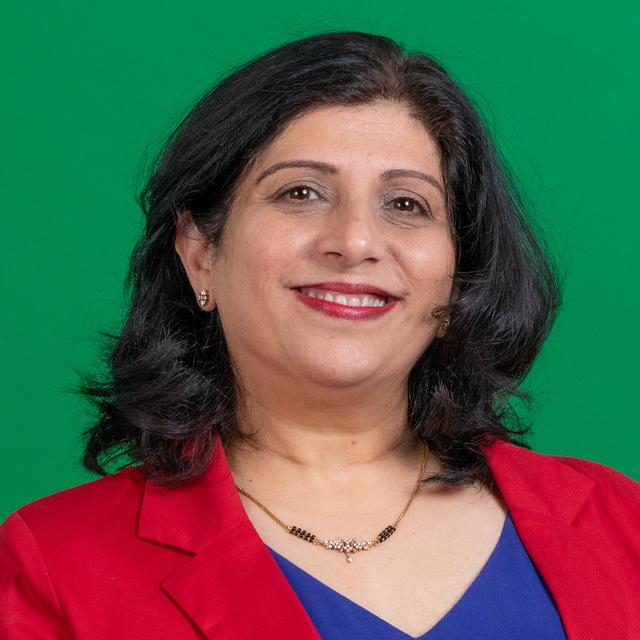 Sonali MarathePresident, Round Table on Information Access, Manager, Accessibility & InclusionNextSense
Sonali Marathe is the Manager of Accessible Information Service at NextSense and the President of the Round Table on Information Access for People with Print Disabilities. She is a passionate advocate for access to information, with her work extending into children's literacy projects, creating opportunities for young learners through accessible educational resources.
Sonali has led initiatives in braille education, tactile graphics, inclusive publishing, and improving the discoverability of books in alternative formats. Recognized for her expertise, she was invited to a United Nations expert panel for the creation of accessible books.
Atriumzaal day 3 round 2 (CHOOSE ALL THREE)
Modeling Relative Haptic Perception for Tactile Pattern Design: A Metric through Comparison
This project aims to develop an algorithmic framework for estimating relative haptic distance between tactile patterns, addressing the absence of a standardized metric for touch perception. Unlike visual metrics such as SSIM or PSNR, which quantify differences based on pixel-level similarity, tactile perception requires a different approach focused on pairwise comparisons. In this study, we introduce Tactile Dominos, physical samples with vertically stacked patterns, to measure perceptual contrasts. This setup prevents bias from hand dominance, and encourages exploration with both hands to obtain consistent and reliable feedback. Estimating haptic distances through these comparisons is essential for identifying meaningful differences between patterns and optimizing tactile designs. User studies validate the model by examining how users perceive transitions between patterns and confirming whether these perceptions remain consistent across trials. A key objective is to test for symmetry and transitivity in user assessments to ensure that the inferred distances reflect meaningful contrasts. These experiments analyze whether rotating or flipping dominos impacts the similarity judgments, refining the estimation framework to prevent bias. Patterns with stronger contrasts are positioned farther apart in the conceptual haptic space, while more similar patterns are closer, establishing a coherent relative metric. Geometric pattern synthesis techniques are employed to generate textures with varying densities and correlations, compatible with practical production methods like embossing and 3D printing. This flexible framework supports experimentation by enabling designers to identify patterns that maximize perceptual contrast while meeting accessibility requirements. User studies will include both sighted and visually impaired participants, exploring correlations between their tactile abilities to enhance inclusivity in pattern design.
-
 Nasim BagheriPhD Student(Laboratoire d'Informatique de l'Ecole Polytechnique (LIX))
 Nasim BagheriPhD StudentLaboratoire d'Informatique de l'Ecole Polytechnique (LIX)
I am a PhD student at LIX, working on developing assistive technologies for visually impaired individuals. My research combines computer graphics, human-computer interaction, and human cognition.
-
Mathieu GaboritAdaptator, researcher(INSEI)
Mathieu GaboritAdaptator, researcherINSEI
Basically teacher for primary blind children. Then, trainer for trainee teacher for the blinds. Also researcher in education in visual impairment. Also image adaptor for the blinds and counselor in cultural places for visually impaired visitors.
Beginning Tactile Graphics Literacy Instruction Early: Our Experience with 28 U.S. Braille Readers in Grades 2-5
-
Tina HerzbergProfessor and Coordinator of the Visual Impairment Education Program(University of South Carolina Upstate)
Tina HerzbergProfessor and Coordinator of the Visual Impairment Education ProgramUniversity of South Carolina Upstate
Dr. Tina S. Herzberg is a Professor at University of South Carolina Upstate where she has coordinated the Visual Impairment Education Program since 2007. She is also the co-author of the Pearson Nemeth Curriculum, and the principal investigator of Project INSPIRE 2: Access and Equity in STEM Learning for Individuals Who Read Braille. Tina is a certified teacher of students with visual impairments and a certified orientation and mobility specialist as well as a former middle school mathematics and English teacher.
Accessing Non-verbal Reasoning Questions in Tactile Format
In many of the competitive examinations for job recruitments, the applicants’ ability to understand and analyze visual information is assessed with picture based non-verbal reasoning (nvr) questions. The nvr questions test the analytical ability to understand, visualize and solve problems using simple logical reasoning and in general assess spatial awareness, logic, and problem-solving skills without relying on language. The nvr questions involve a collection of diagrams or patterns that deal with an underlying relationship between them such as identifying the similarity or contrast, occurrence of patterns in a series, determining the best fitting image under reflection, shape construction, etc. In this paper, a study conducted on accessing nvr questions in tactile format to teach and test the understanding of the same with vison impaired (vi) students is discussed, The study focused on two types of nvr questions (analogy and classification) prepared in swell sheets and accessed by ten vi students. Analogy type involved identifying a relationship between two shapes or patterns and applying that relationship to another set, whereas Classification type required identifying one shape or pattern that did not belong in the given set of patterns. Analogy type dealt with characteristics that were common or progressive in two pairs of patterns and Classification type dealt with finding the odd one among four patterns. In the introductory session vi students were given orientation to familiarize with swell sheet, and primitive patterns used in the questions. Subsequent sessions were conducted on the two types of questions, Upon completion of the questions, an assessment of their understanding with a fresh set of nvr questions was carried out and their responses were noted. This paper discusses the complexity of the patterns, spatial relationship, time-taken to solve the questions and the experience of vi students while learning the nvr concept for the first time.
-
 Robinson ThamburajAssociate Professor(Madras Christian College, India)
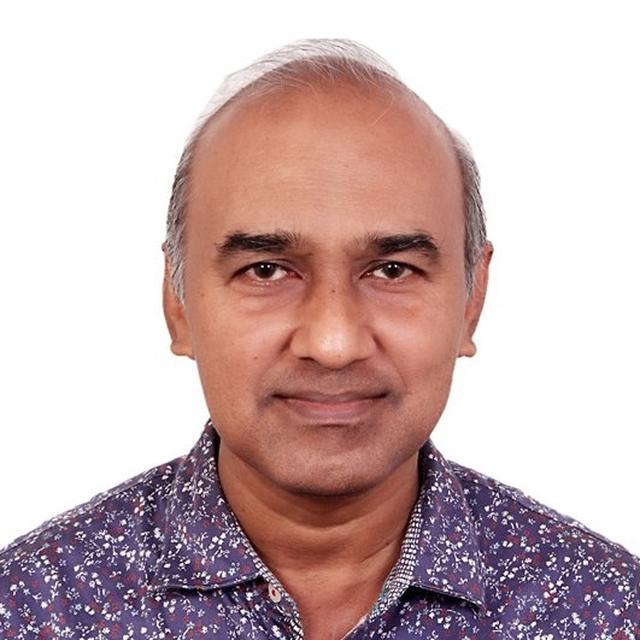 Robinson ThamburajAssociate ProfessorMadras Christian College, India
Dr. Robinson Thamburaj is an Associate Professor and Head of the Department of Mathematics at Madras Christian College, India. He obtained PhD in Computer Mathematics from the University of Madras in 2001 and second PhD in Disability Sciences from the University of Tsukuba, Japan in 2006. His research interest includes Automata Theory, Image Analysis, Nature-inspired Computing, Tactile Geometry, and Inclusive Education. He has published about 80 research articles in reputed journals. Under his supervision 5 scholars completed their PhDs and 6 more are currently pursuing.
Ministry of Social Justice and Empowerment, Government of India conferred him with a National Award in 2005 for his contribution in the field of welfare of persons with disabilities.He availed patent on his assistive device Tactile Graphic Drawing Kit in 2023.
Certified and trained by Centre of Excellence in Science and Mathematics Education (CoSME), Indian Institute of Science Education and Research (IISER), Pune he is a workshop trainer for college teachers
on Research Based Pedagogical Tools.
Grote zaal day 3 round 2 (CHOOSE BOTH)
Reading braille with eight dots
Learn how to improve access to digital content by developing braille standards.
We are creating a new braille standard for Swedish that will be easy to use for average day-to-day use and provide support for more complex content at the same time.
Participants will learn:
- Some principles of the new eight-dot braille standard for Swedish.
- Insights from designing a new braille standard, and the challenges.
- The importance of a user-centered design process in development projects.
-
Karin JönssonAT and ICT Specialist(The Swedish Resource Center for Deafblindness)
Karin JönssonAT and ICT SpecialistThe Swedish Resource Center for Deafblindness
I have been working with AT within ICT (Accessibility Technology within Information and Communication Technologies) for people with vision loss since 1987. In recent years, my focus has primarily been on individuals with combined hearing and vision loss/deafblindness.
Since 2021, I have been a member of the Swedish Braille Authority
-
 David Mr RenstromProgrammer and Translator(Insyn Scandinavia AB)
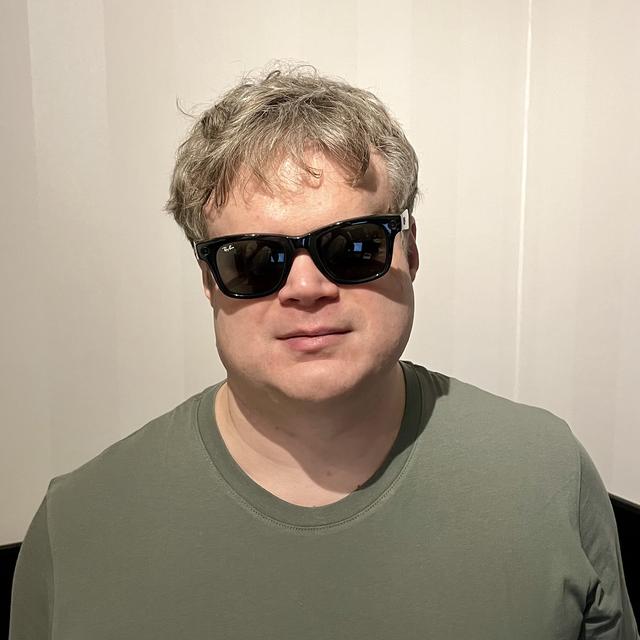 David Mr RenstromProgrammer and TranslatorInsyn Scandinavia AB
I work at Insyn Scandinavia and focus mainly on JAWS scripting and translation of software and manuals. I’m also an instructor and demonstrator. Blind since I was 3 years old and reading braille since I was 7.
-
 Björn WestlingBraille expert(The Swedish Agency for Accessible Media, MTM)
 Björn WestlingBraille expertThe Swedish Agency for Accessible Media, MTM
Being long time responsible and administrator of the Swedish Braille Authority at MTM has given me deep knowledge in various parts of the tactile reading field.
Cofounder of the Tactile Reading conference which started in Stockholm 2017.
I am lecturer in Information design at Mälardalen university, Sweden, since 2019.
My skills and experience include project management, user-centered design processes, terminology, standardization, and more.
Braille 200: Preserving and Promoting a Cultural Legacy for Future Generations
-
Connor Scott-GardnerEducational professional(Braille Working Group of the European Blind Union)
Connor Scott-GardnerEducational professionalBraille Working Group of the European Blind Union
Interactive workshops (3 sessions of 45 mins each)
Come and hear all about developing tactile illustrated books for children
Text is a powerful tool for learning, provided the reader has the skills to read and understand it. The same applies to tactile images, including representations of 3D objects.
For tactile images to be effective, everyone involved in their design and explanation must share a common understanding. This includes blind and partially sighted children, their parents, designers, didactic experts, authors and adult readers who provide guidance and explanations.
Tactile images invite the students to ask questions, engage in discussions and stimulate curiosity. They help to identify and fill gaps in the knowledge of visually impaired children that are a result of not seeing. Well-designed tactile illustrated books offer reading pleasure, enhance literacy, build concepts, and lead to a better understanding of the world, along with all the associated benefits.
In this 90-minutes hands-on workshop, we will explore the underlying principles of effective tactile image design. We will discuss when and how children can start learning these principles and how concept building works. Participants will become acquainted with the methodology through examples developed in the Erasmus+ Project Tacticos, which produced two tactile books: 'A Long Journey,' with collage illustrations for children aged 4-7, and 'Roundy featuring swelled line drawings for children aged 9-12.
The workshop will be interactive, with ample room for questions and discussions. Attendees will gain insights into how to explain and bring to life books with tactile images, enhancing the reading experience for visually impaired children.
-
 Anneke Blokspeech pathologist(Royal Dutch Visio)
 Anneke Blokspeech pathologistRoyal Dutch Visio
I worked for 30 years in Rehabilitation with Partially sighted and Blind chidren. The last 3 years at Education. I developed with others Tactual Profile and was involved in several projects for Blind children.
Since 2005 I am a member of Typhlo & Tactus, European group to schare knowledge and organize a two year international competition on choosing the best tactile books
-
Ann ConefreyTactile Graphic Designer and Researcher(Conefrey Design)
Ann ConefreyTactile Graphic Designer and ResearcherConefrey Design
With over 30 years experience in art and design, I have spent the last decade focused on advancing the quality and diversity of accessible materials for the visually impaired—including my own daughter, who is blind. Collaborations with special education have led to a range of projects, including several award-winning tactile children’s books.
Last year I achieved a Master’s in Design, researching ways to enhance tactile communication for touch readers through the development of more emotionally rich and aesthetically engaging forms. I am currently an advisor for the Erasmus+ project Tacticos and develop projects for the creative sector and (dis)ability awareness.
-
Dorine in 't VeldProductmanager tactile learning(Dedicon)
Dorine in 't VeldProductmanager tactile learningDedicon
My blind son (1988) in mainstream primary school wanted to work with computers, like his sighted peers. In secondary school he wanted to do math and science. He needed tactile graphics. Each time we had to pioneer. E.g.: there was no braille math code in The Netherlands, one could order only 50 tactile graphics per book.
From an archeologist and art historian I turned into a professional. First at Bartiméus Education for the VI and from 2011 until now at Dedicon.
My main focus was on how to explain concepts with the help of tactile graphics. In 2017 I did a project to set up the Dutch-Flemish Braille Authority and helped revising the 6 dot standard.
Integrating Braille and Tactile Resources to Elevate Awareness
Tactile resources are an integral part of universal design, yet are inaccessible in many situations due to manufacturing constraints and high costs. This workshop aims to share an innovative process that we have developed to enable the more effective creation of tactile resources using readily available 3D design tools and 3D printing.
A unique part of this process is adding high quality 3D designed braille to each resource in a natural way. We believe that leveraging the low cost and ease of entry to 3D printing in conjunction with open-source design tools can accelerate the development of custom accessible resources on a much broader scale.
-
 Richard HeLead Accessible Resource Designer(Mountain Lakes Public Library Makerspace)
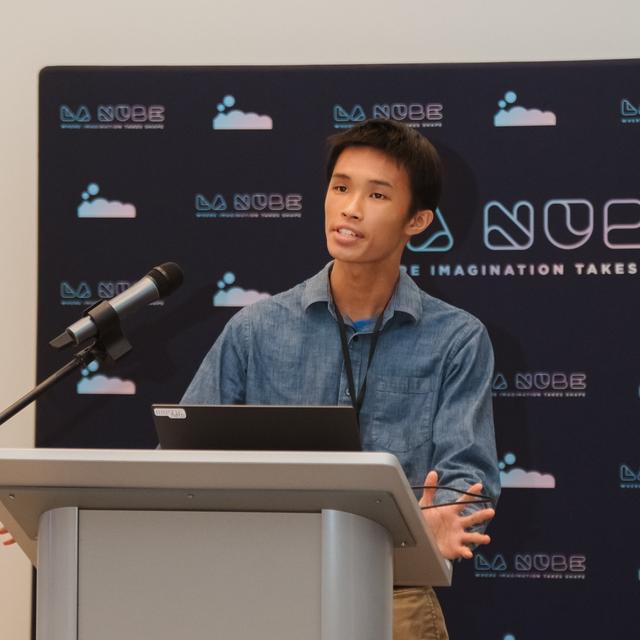 Richard HeLead Accessible Resource DesignerMountain Lakes Public Library Makerspace
I’m a recent graduate from Stevens Institute of Technology with a Bachelor’s in Mechanical Engineering, specializing in product design and manufacturing. I am super excited to be designing practical solutions that improve people's lives.
I was introduced to 3D printing in high school, and now I am exploring the exciting possibilities of multimaterial and multicolor printing. I love showing others what’s possible through innovative 3D design and fabrication.
Unlocking the Museum Experience
Museums provide access to a rich array of artworks, artefacts and specimens through their collections and exhibitions. Museums are inherently inaccessible for individuals who are blind or low vision (BLV) as they do not allow touch exploration due to preservations and safety concerns. Little to no research has been found directly investigating museum experiences of BLV children, however, initial findings suggest that children’s interest in museums dissipates from a very young age as a direct result of inaccessibility. In 2024, SASSVI partnered with the University of Sydney on the "Museum for Touch" project, co-designing museum experiences for BLV children and vision teachers. This initiative focused on marine biodiversity education through multisensory workshops led by Professor Dagmar Reinhardt. Participants engaged in tactile graphics, 3D modelling, scanning and 3D printing workshops prior to an audio-described tour at the South Australian Museum (SAM), enhancing their understanding of marine life through tactile and auditory experiences. This workshop highlights an inclusive teaching model for BLV students, focusing on the WESSST tactile exploration methodology, 3D printing resources, object-based learning, and universal design for accessible museum interactions. Pre- and post-project museum experiences illustrate the impact of inclusive initiatives and advocate for systemic improvements. Workshop participants will engage in activities that sequentially teach natural history concepts to BLV students. Interactive demonstrations will showcase effective strategies for enhancing engagement and learning among BLV learners in museum settings. This project underscores the transformative potential of inclusive education in museums, offering insights into creating enriching experiences that empower BLV children to engage meaningfully with cultural institutions and natural history.
-
Lily GowerSpecialist Teacher Vision Impairment(South Australian School and Services for Vision Impaired)
Lily GowerSpecialist Teacher Vision ImpairmentSouth Australian School and Services for Vision Impaired
Lily Gower is a Highly Accomplished Teacher at the South Australian School and Services for Vision Impaired, with expertise in tactile learning, non-visual art, and inclusive education. She has presented widely on accessible strategies for students who are blind or have low vision (BLV), including non-visual drawing and sonification. Lily recently co-led the “Museum for Touch” project with the University of Sydney, creating multisensory museum experiences. Her work empowers BLV students through hands-on, creative, and meaningful learning.
-
 Hannah O'BrienSpecialist Teacher - Vision Impairment(South Australian School and Services for Vision Impaired)
 Hannah O'BrienSpecialist Teacher - Vision ImpairmentSouth Australian School and Services for Vision Impaired
Hannah is a Specialist Teacher (Vision Impairment) supporting blind and low vision (BLV) students in both regional and metropolitan South Australia. In mainstream schools, these students often represent a minority and have limited access to the enriching experiences that museums offer. With a strong interest in innovative technologies like 3D printing, Hannah is dedicated to creating multisensory learning resources that are universally accessible, regardless of location or disability.
Kleine zaal day 3 round 2 (CHOOSE BOTH)
Playing with the Senses
We are a team from Reading Services in ChildVision from Co Dublin, Ireland. We specialise in accessible book production and are the National Education Centre for the Blind and Visually Impaired children of Ireland. We will be delivering an Oral Presentation for a Lend-able Sensory Kit. This dynamic toolkit aims to equip families of children with Vision Impairment to fulfil their child's proprioceptive needs, including tactile discrimination, fine motor skills and many more. Our presentation will discuss the aims and benefits, and how this can be adapted in many different environments. It will also explore the methods and logistics of starting such a scheme, including sanitation and risk-assessment.
-
 Emily-Jane JacksonProduction Officer(ChildVision Ireland)
 Emily-Jane JacksonProduction OfficerChildVision Ireland
Emily-Jane is from Wicklow, Ireland and is here at the Tactile Reading Conference representing ChildVision's Reading Services - Ireland's National provider of accessible school books for children with VI. With a background in English and Social Care, Emily-Jane is passionate about finding creative ways to make reading fun and accessible.
-
 Triona KeaneProduction Officer(ChildVision)
 Triona KeaneProduction OfficerChildVision
Triona has been working as a Production Officer with ChildVision Ireland for almost five years. Her role involves everything from Braille Transcription and Production to delivering Sensory Stories for children.
This year, Triona has been working to create a Sensory Experience Box specific to blind and visually impaired children. She is delighted to be presenting her findings at this years Tactile Reading Conference.
Atriumzaal day 3 round 3 (CHOOSE ALL THREE)
Visualising the Invisible
-
BalakrishnanProfessor(Indian Institute of Technology Delhi)
BalakrishnanProfessorIndian Institute of Technology Delhi
Access to Critical Tactile Literacy Skills
Tactile graphic skills are critical to the development of tactile literacy. From prior research it is evident that students are not receiving targeted instruction for interpreting tactile diagrams. Without a developmental sequence for lessons, students must devise personal strategies for competency with tactile graphics. I explored the skills of proficient TG participants in the BIA's National Braille Challenge. My goal is to share recommended TG skills for proficiency, a sequence for teaching these skills, and programs to facilitate the acquisition of efficient tactile skills. My aim is to expand the knowledge in the field around teaching TG skills. I hope that practitioners will make an effort to dedicate time to TG instruction, fostering haptic development and the ability for students with VI to compete in school and the workplace.
-
 Dr. Patricia LeaderAdjunct Lecturer(San Francisco State University)
 Dr. Patricia LeaderAdjunct LecturerSan Francisco State University
I am a Vision/O & M Specialist, since 1978. Although now retired, I continue to provide consultation/services to several schools. I teach braille at SFSU, to help prepare new TVIs. I am the Lead Contest Developer for the National Braille Challenge, a program of Braille Institute of America. I coordinate the development team and write some of the contests. I am highly interested in tactile graphics
Strategies for Teaching Image Descriptions Paired with Tactile Graphics & Digital Content
Teachers of students who are blind or have low vision (teachers) provide specialized instruction to students. Teachers are responsible for supporting students in a wide range of grade levels and content areas. Tactile graphics, often paired with verbal or written descriptions, are essential tools for conveying complex visual information to students who are blind. Students use a variety of digital technology in K12 learning (e.g., online textbooks, websites). Some visual images within content are not accessible to students who use screen readers or other access technology. Teachers are responsible for creating image descriptions and teaching students to use them when paired with tactile graphics or digital content. Little is known about the quality of image descriptions created by teachers, the training they receive in developing descriptions, and the strategies they use to teach students to use image descriptions effectively. Research suggests that image descriptions are helpful to students who are blind as are tactile graphics. However, there is a gap in research exploring teachers' knowledge and skills in creating image descriptions, resources and tools they use when preparing image descriptions that are paired with tactile graphics or within digital content, and strategies they use when teaching students to access and use information contained in image descriptions. Researchers will share findings from a study conducted with teachers in the United States and Canada investigating the training, knowledge, and instructional practices teachers use when preparing and teaching image descriptions paired with tactile graphics or digital content. The survey asked teachers to write image descriptions of typical K12 educational images and graphics (e.g., map, geometric shape, coordinate plane). Findings will provide valuable information to support teachers creation of image descriptions and skills taught to students, maximizing student access to educational content.
-
 Chris Clark-BischkeDirector/Professor(The University of Utah/Multi-University Consortium)
 Chris Clark-BischkeDirector/ProfessorThe University of Utah/Multi-University Consortium
Chris Clark-Bischke, Ph.D. Dr. Bischke is the Director of the Multi-University Consortium Teacher Preparation Program in Sensory Impairments (Multi-University Consortium) and a professor and faculty member in the Department of Special Education at the University of Utah (U of U). She is the program coordinator of the Visual Impairments program at the UofU and Utah State University.
Dr. Bischke knows the importance of preparing future teachers of students with visual impairments in the Unified Braille Code and in the creation of tactile graphics. Through collaboration with peers, her students are learning valuable information that will better prepare them to support their students.
-
Tina HerzbergProfessor and Coordinator of the Visual Impairment Education Program(University of South Carolina Upstate)
Tina HerzbergProfessor and Coordinator of the Visual Impairment Education ProgramUniversity of South Carolina Upstate
Dr. Tina S. Herzberg is a Professor at University of South Carolina Upstate where she has coordinated the Visual Impairment Education Program since 2007. She is also the co-author of the Pearson Nemeth Curriculum, and the principal investigator of Project INSPIRE 2: Access and Equity in STEM Learning for Individuals Who Read Braille. Tina is a certified teacher of students with visual impairments and a certified orientation and mobility specialist as well as a former middle school mathematics and English teacher.
-
Alexis RedfordUniversity Instructor, Teacher of students with visual impairments (TSVI)(The University of Utah)
Alexis RedfordUniversity Instructor, Teacher of students with visual impairments (TSVI)The University of Utah
Alexis Redford, Ph.D., M.Ed., is a teacher of students with visual impairments (TSVI) and an instructor at the University of Utah. Her work focuses on influencing practice, research, and policy in special education to improve student access, promote equity—particularly for students who are blind or have low vision, including those with additional disabilities—and enhance teacher preparation.
Additionally, through her work in implementation science, she aims to improve teachers' use of evidence-based practices (or usable innovations) by refining how TSVIs identify effective practices/tools/strategies and ensure they are implemented with fidelity to promote student and teacher success.
Grote zaal day 3 round 3 (CHOOSE BOTH)
From conception to production: a two-brain process in designing tactile graphs
The presentation aims at presenting the production process in adapting graphic documents for the visually impaired. Our work, in an academic department of adapted documents for the visually impaired, provides teachers for the blind but also other users with dynamic (modifiable) adapted documents in tactile and low vision versions. Documents are produced in a collaborative work between a sighted adapter and a blind tester, both teacher trainers. We find it hard to identify an appropriate strategy to standardize the production process. The reason is, to our knowledge, that every document has its own singularity. So, we have adopted a ‘back and forth’ production process between the adapter and the blind tester. We will present an example of our work and the related constraints we commonly encounter when adapting a new document.
-
Anne Chotin
Anne Chotin
-
Mathieu GaboritAdaptator, researcher(INSEI)
Mathieu GaboritAdaptator, researcherINSEI
Basically teacher for primary blind children. Then, trainer for trainee teacher for the blinds. Also researcher in education in visual impairment. Also image adaptor for the blinds and counselor in cultural places for visually impaired visitors.
Enhancing Tactile Appreciation of Two-Dimensional Art through 3D Technology: A Multidimensional Approach
Improving accessibility in the arts, particularly for visually impaired audiences, continues to be a global challenge. Museums around the world have made efforts to increase accessibility by offering tactile access programs and touchable exhibitions (Axel & Levent, 2003). Though there is progress in providing access to “art information,” difficulty remains in gaining access to “expressive qualities” conveyed by artworks, particularly for visually impaired individuals with no visual experience, especially in the case of two-dimensional pieces such as paintings. Further challenges exist in transitioning from simple “recognition” to more complex “appreciation” without the use of visual input. This research proposes a multidimensional tactile approach that incorporates mechanical reliefs and three-dimensional materials created through 3D scanning and 3D printing technology. Instead of relying on a singular solution of reliefs that reproduce visual phenomena, we advocate a set of approaches tailored to unique expressive characteristics of each artwork. This method respects the originality of the artwork and avoids reliance on derivative resources. Using tactile models of imaginary beings such as Yokai, prominent in Japanese folklore, and landscapes like Mount Fuji, as depicted in Katsushika Hokusai’s ukiyo-e prints (both typically inaccessible to touch) we provide visually impaired individuals a new opportunity to explore these subjects. Specifically, our findings demonstrate that transitioning between flat and three-dimensional tactile experiences enhances spatial perception and promotes deeper engagement with the artwork. Furthermore, the availability of tactile materials that allow for recognition without explanation fosters greater autonomy of appreciation among visually impaired viewers. Equally valuable is that such tactile engagement also enriches the art appreciation experience for sighted viewers, encouraging a deeper connection to the artwork.
-
Kozue Handaresearcher(Meiji Gakuin University)
Kozue HandaresearcherMeiji Gakuin University
-
 Shinji MiyasakaAssociate Professor(Institute of Art and Design, University of Tsukuba)
 Shinji MiyasakaAssociate ProfessorInstitute of Art and Design, University of Tsukuba
Associate Professor at the University of Tsukuba, Faculty of Art and Design. Ph.D. in Art. Specializes in sculpture, focusing on figurative techniques, modern Japanese sculpture history, and art appreciation. Exhibits at Nitten and curates tactile exhibitions for visually impaired audiences, advancing research on multisensory art appreciation.
Interactive workshops (3 sessions of 45 mins each)
Approximate Perspective
One of the most common methods for representing the three-dimensional world on a two-dimensional plane is linear perspective. By teaching its basic principles, tactile artists can help learners organize objects and information in a way that is familiar to those who already understand perspective, while also introducing these concepts to newcomers.
A highly effective way to teach perspective is through "flip-pics," a method we use at the Colorado Center for the Blind. Flip-pics are intuitive tools for introducing the structure of perspective to individuals who are unfamiliar with it. By creating clear examples, we allow participants to explore how perspective images are organized, enabling them to separate and layer elements for better understanding. Once they grasp these concepts, participants will have the chance to create their own flip-pic, which they can take home and share.
-
 Ann Cunninghamtactile artist(Sensational Books)
 Ann Cunninghamtactile artistSensational Books
In the early 1990s, Ann wondered if the low-relief stone pictures she sculpted could make sense to someone who is blind. That question shifted her career path—and she never looked back.
After over 20 years of teaching art at the Colorado Center for the Blind and creating accessible tactile exhibits and public art commissions, she now focuses on embossed picture books, with an emphasis on concept books for babies.
Cunningham is also collaborating with a core group of five blind artists to teach tactile art to others interested in making accessible images..
How to add braille to your 3D models using PrusaSlicer
During this workshop, participants will learn how to put braille on existing 3D models using the free software of PrusaSlicer (basic knowledge of working with slicing software/3D design is required).
Have you ever tried to put braille on existing 3D models? When I started working with 3D models and 3D printing for VI I always wondered if there was a way to do this. I have tried various ways, but I was very happy when I found a way to do it with the free software of PrusaSlicer. PrusaSlicer Slicing software has evolved increasingly in the past few years. PrusaSlicer nowadays is way more than just a piece of software to prepare your 3D model for 3D printing. They keep improving their software and now it has a couple of interesting features that, if combined, lets you add braille on existing 3D models very intuitively. Basic knowledge of handling 3D models is required. This means that the workshop is aimed at sighted people with knowledge of the 3D printing process.
PLEASE NOTE: that during the workshop you need to install beforehand the PrusaSlicer software (download at: www.prusa3d.com/page/prusaslicer_424/)
-
 Evert RasingInnovator for VI in education(Royal Dutch Visio)
 Evert RasingInnovator for VI in educationRoyal Dutch Visio
My name is Evert Rasing, i'm an innovator at Visio in the Netherlands. I work as a project manager to improve the accessibility for blind and low vision students. A lot of these projects are related to maths and calculators, but also do a lot of work in making 3D designed tools and educational materials, using modern production technologies like 3D printing and laser cutting.
Leaning through play with LEGO Braille Bricks
LEGO Braille Bricks is an innovative and playful approach to teaching braille, designed to create an engaging and effective learning experience. It empowers children to become curious, creative, and lifelong learners.
Participants will gain the foundational knowledge needed to confidently introduce the concept to their own students.
Play is essential in developing a wide range of skills that help individuals take charge of their lives and contribute positively to their communities. The LEGO Braille Bricks concept offers a groundbreaking, inclusive opportunity for blind and sighted children to learn together through fun, hands-on interaction.
-
Marc AngelierCEO(The LEGO Foundation/The Braille Program)
Marc AngelierCEOThe LEGO Foundation/The Braille Program
Staunch defender of braille, author of tactile books for blind children and specialized teaching methods, Marc Angelier travels the world training teachers in pedagogical techniques specific to visual impairment to make inclusive schooling for all a reality!
He participates in research studies and training programs to increase students with disabilities’ accessibility to education.
Since 2019, he is, with Marie Oddoux, in charge of the development and implementation of the inclusive LEGO Braille Bricks concept for the LEGO Foundation. This amazing concept allows visually impaired children from all over the world to learn braille and develop the breadth of skills they will need for the future.
-
Marie OddouxFounder(The braille Program)
Marie OddouxFounderThe braille Program
Marie Oddoux is the founder of The Braille Program.
Since 2019, with Marc Angelier, she is in charge of the creation and implementation of the global LEGO® Braille Bricks inclusive educational concept for the LEGO Foundation.
Marie is an occupational therapist specialised in braille. She has a degree in low vision rehabilitation.
With more than 20 years of experience in the field of blindness, she wrote books for children and inclusive methods to learn through touch.
She is a strong advocate for Braille and travels the world on training missions, particularly on inclusive education and visual impairment. She believes in the power of play, of learning through play for all children!
Kleine zaal day 3 round 3 (CHOOSE BOTH)
Revisiting the “Visualization” Level of van Hiele Theory on Geometric Thinking
Geometry, the branch of mathematics addressing spatial sense and geometric reasoning, holds significant importance in education. It occupies a considerable portion of the curriculum at every educational level. This universal presence underscores its integral role in geometry education worldwide. This importance is equally significant among children with blindness. The van Hiele Theory of Geometric Thinking that explains how students learn geometry, consists of five levels of understanding geometry, viz., Visualization, Analysis, Abstraction, Deduction, and Rigor. This exploratory research relied mainly on insights, interviews with mathematics teachers from schools for the blind in Japan, aims to investigate the applicability of the van Hiele Theory in developing geometric thinking skills among children with blindness. All teachers participating in this study, who also taught blind children daily, mentioned how they supported them in developing these skills and tactics. Specifically, they provided adequate 2D and 3D models and offered verbal cues on how to tactically touch and retain tactilely perceived information in their minds. Purposive sampling was used to select four teachers working at schools for the blind for a group interview. The data was analyzed qualitatively, using inductive analysis. Teachers unanimously affirmed that children with blindness progress through thinking process outlined in the van Hiele Theory. The teachers highlighted visualization level particularly challenging for blind children, as they learn to recognize shapes without relying on visual attributes. The challenging aspects identified included the complexity of the haptic perceptual system, requiring children with blindness to possess strong hand movement skills and the ability to integrate tactile details. Based on the findings, an adapted version of the van Hiele theory's 'visualization' level is suggested with implications for further research.
-
Hisae MiyauchiResearcher(University of Tsukuba, Japan)
Hisae MiyauchiResearcherUniversity of Tsukuba, Japan
Dr. Hisae Miyauchi is an Associate Professor at the University of Tsukuba, Division of Disability Sciences, Japan. She serves as the Principal Investigator for the four-year, Japanese Ministry of Education-funded project, "Inclusive Graphicacy Tools and Techniques for Promoting Access to STEM Education”. The project addresses the global challenge of exclusion of students with blindness from the STEM field, involving researchers with expertise in mathematics and visual impairment from the US, Europe, and Asia.
-
Robinson ThamburajAssociate Professor(Madras Christian College, India)
Robinson ThamburajAssociate ProfessorMadras Christian College, India
Dr. Robinson Thamburaj is an Associate Professor and Head of the Department of Mathematics at Madras Christian College, India. He obtained PhD in Computer Mathematics from the University of Madras in 2001 and second PhD in Disability Sciences from the University of Tsukuba, Japan in 2006. His research interest includes Automata Theory, Image Analysis, Nature-inspired Computing, Tactile Geometry, and Inclusive Education. He has published about 80 research articles in reputed journals. Under his supervision 5 scholars completed their PhDs and 6 more are currently pursuing.
Ministry of Social Justice and Empowerment, Government of India conferred him with a National Award in 2005 for his contribution in the field of welfare of persons with disabilities.He availed patent on his assistive device Tactile Graphic Drawing Kit in 2023.
Certified and trained by Centre of Excellence in Science and Mathematics Education (CoSME), Indian Institute of Science Education and Research (IISER), Pune he is a workshop trainer for college teachers
on Research Based Pedagogical Tools.
Towards a tool to help educate children and young people with blindness and low vision about eSafety
This presentation aims to explore the development of a tool to keep children and young people with blindness and low vision (BLV) safe online and help them become/ stay savvy. Cyber Bullying, Phishing, Scams, Misinformation, Grooming, Identity Theft: a session at the SPEVI 2025 Conference in Australia explored if students with BLV may be more exposed to and/or vulnerable for the bad things online as a result of specific assistive technologies they use or activities or environments they take part in. Possible best practice in educating them around these issues and tools that may assist them to develop skill sets and instincts were discussed. Building on our findings at SPEVI 2025, we invite your input and feedback on an innovative idea by Sonokids: creating a physical board game that can be explored through vision as well as touch, accompanied and supported by an accessible, educational game app with audio story, auditory information, and visuals. This multisensory approach, combining auditory, visual and tactile learning, as well as physical gamification using basic materials, is proposed for increased impact and sustainability. Sonokids has more than 25 years’ experience in the development of accessible educational game software, apps and tools for young users with BLV. In 2002, when the internet and personal computers were only just coming up, Sonokids developed ‘Radar het Oorspel’. ‘RadaR the Eargame’ was an educational computer game, with a multi-episode audio play followed by interactive ‘missions’ (very novel for the time!), in which children experienced ‘Safe Surfing’ and safe online communication. If they successfully completed the game, they ended up with their own, free, accessible website. An English language version was used in education in Scotland and Australia. eSafety deserves our undivided, combined attention. We are interested in sponsors and partners to contribute to the successful development of a “new RadaR”.
-
Phia DamsmaCreative Director(Sonokids Australia)
Phia DamsmaCreative DirectorSonokids Australia
Having co-founded Sonokids in 2000, Phia moved from Holland to Australia in 2005. Phia is co-president of South Pacific Educators in Vision Impairment (SPEVI Inc), the professional association for specialist educators (vision impairment) in Australia and the South Pacific Region. It was at the 2020 SPEVI conference in Adelaide, South Australia, that her 25+ years of creating educational game apps for learners who are blind or have low vision and other important contributions to the disability sector was recognised by her being made a Knight in the Order of Orange-Nassau. Imagine the surprise when the ambassador interrupted by walking onto the stage!
Other fun facts are that Phia’s favorite on Spotify from the recently released 'Sonokids Song Book 1, by the Ballylanders', is the Gum Tree song, that she’s one of the original members of the Sonification World Chat (supporting sonification as a tool to make STEAM accessible), co-authored a publication in Nature Astronomy, is a writer of children’s books, recently experienced the wrath of a tropical cyclone, and has an Australian kelpie at home.
Open Table Talks | Wednesday | Round 3 (3 sessions of 45 mins)
Follow-up: T-rep: a web repository of tactile cartographic knowledge
speaker: Jakub Wabinski.
Status of standard braille in developing countries
Standardization of the braille code is extremely important to promote its usage in a country. We need a braille authority to finalize standard braille code and ensure its adoption and promotion. DAISY Consortium is providing training and technical support in low- and middle-income countries in production of books in accessible formats. We have delivered these trainings in more than 40 countries in the past 5 years. Our training includes production techniques to convert accessible digital books into braille. These training sessions provided opportunities to us to get glimpse of status of standardization of braille in these countries. We also found some unexpected gaps in braille production methods and systems in developing countries. In this presentation, we will share some of our experiences and observations of where we need to plan our interventions. Some of these areas include: Status of awareness and adoption of UEB in countries where English is one of the official languages. Braille authorities and standard braille code for local languages. Availability of language tables in braille translation systems such as Liblouis and Duxbury. local language support in refreshable braille displays Level of knowledge and skills of braille production We will also discuss some of the positive outcomes of these experiences such as the: enhancements of DAISY Pipeline - open-source tool from the DAISY Consortium to support easier methods of braille production discussions during such training in Kenya started the process of bringing stake holders together and development of grade 2 braille code for Kenyan Swahili braille and adding the same in Liblouis. Addition of several local language braille tables in Liblouis such as Sinhala, Chichewa, Swahili, etc. We need to come together to make a collaborative effort to address these issues to take braille into new age in low- and middle-income group countries.
Atriumzaal day 3 round 4 (CHOOSE ALL THREE)
A Cognitive Task Analysis of Tactile Graphics Design
-
 Théophile VIERErgonomist(Fondation IJA / Université Toulouse 2 Jean Jaurès)
 Théophile VIERErgonomistFondation IJA / Université Toulouse 2 Jean Jaurès
As an ergonomist for the IJA Foundation (in France), I am part of the CPV Laboratory, which fosters collaboration between researchers and practitioners. I have always worked at the intersection of fieldwork and research.
For the past few years, I’ve been involved in DERi, a project developing new forms of interactive tactile graphics. This work has deepened my appreciation for the extensive efforts behind creating educational materials for pupils with visual impairments.
When the opportunity arose to pursue a PhD, I saw it as a chance to explore the adaptation process further and to bring well-deserved recognition to the work behind it.
Co-designing a novel tactile display for images and Braille
Tactile access to digital graphics is still a challenge. Refreshable tactile pin arrays / displays are in general very expensive, which calls for further research and development.
Co-design is involving future users in the development process, but there is a challenge to discuss possible future technologically advanced designs before they exist. We have been using a combination of paper tactile mock-ups, digital-hybrid mock-ups and roleplaying to collect requirements.
The goal of these studies is to gain insights into people’s preferences in how to work with and understand digital graphics combined with tactile material and/or text.
-
 Kirsten Rassmus-GröhnAssociate professor(Lund University, Sweden)
 Kirsten Rassmus-GröhnAssociate professorLund University, Sweden
Kirsten is a researcher and teacher focusing on non-visual interaction, which involves interaction with sound and haptics (touch), especially in digital media.
Her research is interdisciplinary and involves methods for user participation in design processes, prototyping techniques, universal design, and the creation of new innovations and products.
In research projects, Kirsten works with user studies and co-design methods, designing and carrying out workshops, making simple prototypes with physical and/or digital material.
She also teaches courses in advanced interaction design, accessible digital technology, and software project courses.
Empowering vision: Bridging Craftsmanship and Language for a Brighter Future
Join me for an inspiring session where we explore how vocational training and English language learning are transforming the lives of individuals with vision impairments. In this session, you'll discover how a unique collaboration between the American Language Center of Marrakesh and the Center of Training in Craft Jobs is not only enhancing crafting skills but also unlocking new opportunities in the socio-economic market.Through immersive workshops and inclusive language lessons, participants gain independence and essential tools to create sustainable livelihoods. You’ll see how skill development and language acquisition can be a game-changer for individuals with vision impairments, offering a pathway to empowerment and a more inclusive society.
-
 Islah BoutaharCoordinator of the program for the visually impaired(American language center of Marrakesh Morocco)
 Islah BoutaharCoordinator of the program for the visually impairedAmerican language center of Marrakesh Morocco
Islah is a dedicated Coordinator with 11 years of experience supporting individuals who are blind or vision-impaired.
Specializing in English as a Foreign Language (EFL), she tailors educational materials to meet students' unique needs.
Islah fosters independence by partnering with craft centers, providing vocational training to help students gain life skills and enter the workforce with confidence.
Known for her exceptional organizational skills, she is committed to breaking barriers and creating inclusive environments for visually impaired individuals in education and beyond.
Grote zaal day 3 round 4 (CHOOSE BOTH)
Innovative tactile technology in education
This presentation explores how innovative tactile reading technologies — combining tactile graphics, 3D models, multiline braille, and sensory feedback — empower blind students in mainstream education. It highlights how these multimodal tools unlock deeper interaction with learning materials, compares their impact to other technologies, and shares insights into promoting inclusion and educational growth through accessible innovation.
-
 Jesse WienholtsInnovation at Sensotec(Sensotec)
 Jesse WienholtsInnovation at SensotecSensotec
Jesse Wienholts works at Sensotec, driving innovation in braille technology and AI-powered accessibility tools. With a strong background in assistive technology, he gained extensive experience at Visio and Envision, focusing on the development and implementation of smart solutions for people with visual impairments. Jesse combines deep technological expertise with a passion for user-centered design, playing a key role in advancing inclusive innovation.
Multimodal Approaches to STEM: Combining Braille Displays and Robotics for Accessible Learning
Multimodal Approaches to STEM: Combining Braille Displays, Programming, and Robotics for Accessible Learning This presentation explores the integration of accessible programming environments, tactile learning tools (braille displays), and other assistive technologies (Windows laptop with screen reader) to create inclusive STEM learning experiences for students who use braille. By utilizing the Monarch multiline braille display, programming in both Quorum and Python, and using the Finch 2.0 robot students are empowered to actively engage in hands-on learning that enhances spatial awareness, literacy, and computational thinking. The session will discuss the role of multimodal learning, combining tactile feedback and auditory cues, to deepen students' understanding of complex STEM concepts. Attendees will learn how the Monarch braille display provides multiline access to code structure while the laptop provides access to the programming environment controlling the Finch 2.0 robot. The Finch 2.0 robot is widely available as a computer science education tool. Low tech strategies are also incorporated for hands-on concept development and feedback Strategies presented may provide support in integrated classroom environments as well as specialized settings. Keywords: Accessibility, Braille, Computer Science Education, Multimodal Learning, STEM Education, Quorum, Python, Robotics
-
 Regina (Gina) FugateTeacher(Maryland School for the Blind)
 Regina (Gina) FugateTeacherMaryland School for the Blind
Gina Fugate is a Computer Science and Technology Teacher at The Maryland School for the Blind, with a background as an itinerant Teacher of Blind and Low Vision Student in rural and urban U.S. communities. She is an Ed.D. student at the University of Florida and a Certified Assistive Technology Instructional Specialist (CATIS). Gina integrates tools like LEGO SPIKE and Finch 2.0 with Quorum and Python to create accessible, hands-on coding experiences that are compatible with braille displays . Gina believes accessible computer science benefits all learners—and when all students experience inclusive design, they are more likely to create accessible tech themselves, reducing barriers, saving time and cost, and building a more inclusive digital future.
Interactive workshops (3 sessions of 45 mins each)
Biochemistry Lab Access Videos Inspired by Natl. Research Agenda for STEM Edu. for Students with VI
The National Research Agenda for STEM Education for Students with Visual Impairments (VI) published 12 goals in 2022 to achieve full inclusion and access to STEM education for VI students. A selection of these goals was applied to create a video series exploring and demonstrating nonvisual lab techniques to use in a college structural biology research laboratory. The topics covered include measuring liquids, measuring temperatures, performing gel electrophoresis, acid-base titration, labeling supplies, lab safety, and growing bacteria colonies. Goal 1, Collaboration, was achieved by a sighted biochemistry research assistant collaborating with professional blind scientists, a post-secondary student who is blind, and science supply companies to plan the content for the video series. The research assistant and student co-created videos by planning, filming, editing, and distributing content together. Goal 3, Skills to Succeed in STEM Education, and Goal 9, Transition and Mentorship, were explored by providing the student with an accessible biochemistry lab experience with the mentorship of the research assistant. Goal 8, Identity, and Goal 11, Personnel Preparation, were addressed by posting the videos on social media and on the Perkins Accessible Science portal to reach a wide audience. Goal 10, Technology Exploration, was addressed by using combinations of access technology to explore the effectiveness of using them as lab tools, and foster opportunities to co-create the videos. Goal 12, Advocacy, was implemented by contacting science supply companies for samples of accessible tools, and advocating for the need for more accessible lab equipment. Attendees will leave with concrete accessible strategies to implement in their laboratories, and be challenged to continue to implement the goals listed in the agenda in their teaching and research.
-
Caroline KarbowskiOrientation & Mobility Specialist(Perkins School for the Blind)
Caroline KarbowskiOrientation & Mobility SpecialistPerkins School for the Blind
Caroline Karbowski is a passionate innovator, problem solver, and community builder. She is a Certified Orientation and Mobility Specialist (COMS) at Perkins School for the Blind, and she is pursuing a Graduate Certificate in Assistive Technology for Individuals with Visual Impairments at UMass Boston. She is a two-time Buckeye, having received an MA in Sensory Impairments & Inclusion, and a BS in biology with minors in chemistry and American Sign Language from The Ohio State University (OSU). Before graduate school, she worked as a biochemistry Research Assistant at OSU where she studied protein structures and created a science lab accessibility video series. Even though she is sighted, she decided to teach herself braille in middle school so she could read books in the car without getting carsick, and that passion for braille led to the creation of See3D, Inc., a nonprofit that organizes the printing and distribution of 3D printed models for blind and low vision people, and A Cubed Design, a startup developing a low-cost and repairable braille display. She is the recipient of the 2022 Dr. Jacob Bolotin Award, a certified literary braille transcriber, and enjoyer of choir and ballroom dance. Caroline’s favorite topics include 3D printing accessibility, tactile literacy, science accessibility, and tactile maps, so don’t hesitate to reach out and connect!
Essential Tools of the Trade
The co-authors of Essential Tools of the Trade: A Guide for Completing Functional Vision, Non-Visual Skills, Learning Media, and Expanded Core Curriculum Evaluations will introduce the newly developed Non-Visual Skills Assessment and provide a framework and practical tools for conducting rigorous assessments that ensure the needs of tactile learners are met through evaluation and planning of appropriate programming.
-
 Shanna HamiltonLead Teacher(Texas School for the Blind and Visually Impaired)
 Shanna HamiltonLead TeacherTexas School for the Blind and Visually Impaired
Shanna is a curriculum lead teacher at the Texas School for the Blind and Visually Impaired. She has her undergraduate degree in Journalism from Indiana University and graduate degree in Special Education with a focus on Visual and Dual Sensory Impairment from Texas Tech University. Shanna taught in special education K-12 classrooms for eight years before switching to her role in curriculum.
-
Julie MajzelTeacher of Students with Visual Impairments(Texas School for the Blind and Visually Impaired)
Julie MajzelTeacher of Students with Visual ImpairmentsTexas School for the Blind and Visually Impaired
Dr. Julie Majzel specializes in Reading, Language, and Literacy and is a certified teacher of students with visual impairments. She is a Curriculum Lead Teacher at Texas School for the Blind and Visually Impaired. Julie is also the co-author of Essential Tools of the Trade: A Guide for Completing Functional Vision, Non-Visual Skills, Learning Media, and Expanded Core Curriculum Evaluations, and primary author of The Sciences of Literacy: What Teachers of Students with Visual Impairment and Orientation and Mobility Specialists Need to Know. On a personal note, Julie is the mother of a daughter who is deafblind. Therefore, her passion for tactile reading is both professional and personal.
Modified version of the Tactual Profile to map touch in adults with acquired deafblindness.
When someone is acquiring limitations in the auditory and visual sense, the touch becomes an important and trustworthy compensatory sense. It is important that people, who are deafblind, learn how to use the tactile channel in an optimal way. And that they receive the right support for this. The sense of touch deserves extra attention given the extra dependence on the tactile perception within the deafblind targetgroup. In this workshop you will learn and experience what the Tactual Profile - DeafBlind (TP-DB) brings you in terms of information and awareness. Do the items contribute to the need for greater awareness for as well the professional as the client? Does it help to give more direction to further interventions? We will take you with us in the developments, dilemmas, choice moments and above all the further implementation of TP-DB. There is also space in this workshop to exchange findings and experiences with each other.
-
 Saskia BiesterbosOccupational Therapist(Royal Dutch Visio)
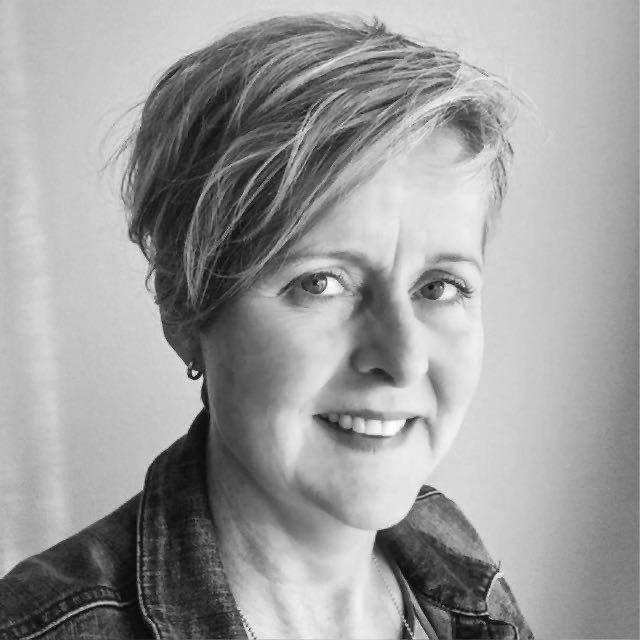 Saskia BiesterbosOccupational TherapistRoyal Dutch Visio
Saskia is an experienced occupational therapist at Royal Dutch Visio, specializing in rehabilitation for individuals with visual impairments, particularly adults with dual sensory loss.
Despite being sighted, she has learned to read and write Braille, sharing this skill empathetically with those who lose both vision and hearing later in life.
She is committed to innovative projects that improve her clients' quality of life, including the Tactual Profile DB project, which enhances understanding of tactile perception in dual sensory loss.
In the workshop, Saskia will offering participants firsthand experience with its core concepts.
-
Miranda ZwijgersOccupational Therapist(Royal Dutch Visio)
Miranda ZwijgersOccupational TherapistRoyal Dutch Visio
I am an occupational therapist since 2001 and working for the Royal Dutch Visio since 2010. Started in Amsterdam I am know working for the Rehabilitation & Advice location in Rotterdam. I see as well children from 0-18 as people with visual and intellectual disabilities from 0 - 99+.
Recently I finished a master in Occupational Science and my Master's Thesis was focused on the occupational transitions for adults with the Usher syndrome type 2.
Over the years at Visio my expertise developed towards the topics sensory processing in relation to CVI and the use of touch, especially with children who are experiencing severe sightloss.
Kleine zaal day 3 round 4 (CHOOSE BOTH)
Designing Tactile Maps: An Introduction for Everyone
Tactile map design goes beyond raised lines and braille labels. This presentation introduces essential principles, terminology, and best practices for designing clear, intuitive tactile maps.
Topics include 2.5D vs. 3D design, braille beyond labeled callouts, effective simplification of complex visuals, aligning content with users’ experiences and needs, and more.
We’ll share examples of what works, what doesn’t, and how to avoid common pitfalls.
Attendees will gain an understanding of tools, strategies, and insights to create tactile maps that support access, inclusion, and independence by improving the blind community's wayfinding experience.
-
 Eleanor MayesDesigner, Media and Accessible Design Lab (MAD Lab)(LightHouse for the Blind and Visually Impaired, San Francisco)
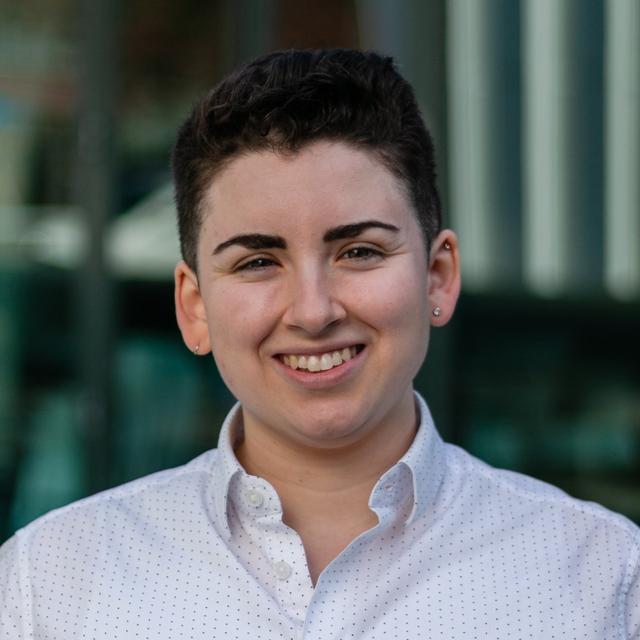 Eleanor MayesDesigner, Media and Accessible Design Lab (MAD Lab)LightHouse for the Blind and Visually Impaired, San Francisco
With a background in materials engineering and accessible design, Eleanor creates tactile media that furthers accessibility by augmenting the information landscape. She specializes in 2.5D design, transforming visual graphics into tangible formats while working closely with blind individuals to develop bespoke designs that prioritize the broader blind community. Her work supports MAD Lab’s mission to improve access to information for blind and low-vision individuals through tactile graphics, maps, and other resources. Passionate about equity, Eleanor centers her design practice around disabled, BIPOC, and LGBTQ+ communities, advocating for collaborative, inclusive approaches in design and engineering to promote a more just and accessible future.
Opportunities and challenges for graphically tactile products and projects
Strengthened by the realization that many people are excluded from information, communication, services, and experiences, we have devised a concept that provides a solution to this issue.
These are analogue tactile maps that activate digital services simply by holding a smartphone against them. The user does not need to open an app or scan a QR code.
We have named this concept 'Connected Print.'
The concept is based on the principles of universal design and consists of three components: an analogue tactile medium (printed map, brochure, etc.) that links to a digital file (a web page, audiovisual file, etc.) via NFC technology and the smartphone without any extra actions. This digital content can be enhanced with audio descriptions, sign language, subtitled video.
This concept can be applied to numerous areas in our society, including education, mobility, culture, nature, tourism, art, and architecture, that offers added value and unique experiences for everyone, regardless of ability.
The potential in the fields of graphics, information, and communication technology is immense. By 2025, we expect to produce even higher quality tactile prints, create more engaging audio descriptions, and develop advanced apps and software. However, we also face significant challenges in striving for greater inclusivity in our products and projects:
- Attention to Integral Accessibility: A connected print is just one part of the accessibility chain. For it to be truly effective, it must be accessible and affordable for everyone.
- Need for Specific Expertise and Knowledge Sharing: Training and standards are crucial, particularly for user experience designers in graphics, sound, and web development, as well as for creating norms and agreements regarding tactile elements in graphic work.
- Marketing and Communication: Effective outreach to organizers (government, musea, nature parks and visitorcenter) and end users is essential for the success.
By addressing these challenges, we can enhance inclusivity and ensure that our tactile products and projects provide meaningful benefits to all users.
The challenges mentioned above
-
Alain Cloet(Licht en Liefde)
Alain CloetLicht en Liefde